Media Release: China expected to recover in 2021 while ASEAN stands to gain from supply chain diversification if it can act as unified entity


China is expected to recover in 2021 but the recovery speed depends on the opening of other markets while ASEAN stands to gain from supply chain diversification if it can finally act as a unified entity


From top: Pauline Loong, Senior Fellow of CIMB ASEAN Research Institute and Managing Director at Asia-Analytica; and Tan Sri Dr. Munir Majid, Chairman of CIMB ASEAN Research Institute.


Kuala Lumpur, 16 June 2020 – CIMB ASEAN Research Institute (CARI) hosted a CARI Briefings webinar under its COVID-19 Economic Recovery Plan Series, titled ‘How Can ASEAN Bounce Bank: China’s Economic Trajectory and ASEAN: The New Abnormal: Navigating the Post-Pandemic World.’ The session featured Pauline Loong, Senior Fellow of CARI and Managing Director of Hong Kong-based research consultancy Asia-Analytica, an award-winning policy risk analyst specialising in China’s broader political economy. Moderated by Tan Sri Dr. Munir Majid, Chairman of CARI, the discussion centred on China’s economic recovery and how it would shape the new normal, and how ASEAN can embark on a robust economic recovery path.


1. 2021 is a year to watch for businesses – the centenary of the ruling party provides impetus to revive China’s economic growth

Pauline projects that the chances of a meaningful recovery for the Chinese economy in the remaining months of 2020 are slim but 2021 could prove to be the turning point. The year 2021 is particularly important for the country’s leaders as it will be the centenary of the founding of the Chinese Communist Party. It is vital for the leadership to ensure economic recovery is on course and China will have the political determination and policy tools to achieve that goal.

“It is not often appreciated that as a command economy, China is equipped with more than the conventional market tools to boost growth. It can steer bank lending to troubled sectors, impose firewalls to prevent capital flight, and put subtle pressures on corporates to do the right thing by the nation in their commercial dealings,” Pauline said.


2. Globalisation to stay – the speed of China’s recovery hinges on the reopening of other markets

Contrary to some predictions, Pauline believes that despite talks of de-globalisation, world economies will remain highly interconnected. However, the speed of how the world begins to resume trade flows will depend on the reopening of other markets.

“While China has started to unwind its lockdown, when and by how much its economy recovers also depends on what’s happening elsewhere, particularly whether other governments are also winding down their containment measures. Goods may be rolling off China’s newly reopened assembly lines but they will not be leaving the factory gate if potential buyers are sitting at home without an income or if the goods cannot be delivered because of transport shutdowns in other markets,” she remarked.


3. Supply chain diversification puts ASEAN in a sweet spot but the real test is if the bloc is unified

In the first two months of 2020, ASEAN surpassed the EU and became China’s largest trading partner, according to data from the Chinese General Administration of Customs. Trade between ASEAN and China during the period increased 0.5% year-on-year to US$85.3 billion amidst falling trade with most other trading nations as a result of the COVID-19 pandemic.

Pauline noted that ASEAN has hit a sweet spot during this pandemic. “Even before the onset of the US-China trade war, ASEAN member states have already benefited from structural shifts in international trade and commerce, which have been hastened due to the pandemic. The change in risk perceptions worldwide and the accelerating trend in supply chains diversification and regionalisation have put the spotlight on ASEAN as an investment destination,” she explained.

“However, ASEAN’s longer term challenge is in successfully dealing with the tectonic shifts underway in trade, finance and global alliances. Whether it can leverage its strength for more advantages in a multi-polar world ultimately rests on the group’s willingness to act as a truly unified entity,” added Pauline.


Conclusion

Tan Sri Munir echoed Pauline’s insights, particularly on the need for ASEAN unity during this time of economic uncertainty. He noted that the performance of a better integrated regional economy in ASEAN and East Asia has become critical in the recovery process.

“It is important that we are able to distil post-COVID-19 China without the noise and distraction which tend to judge the regime in that country and not the economic activities that are beginning to stir again. There are opportunities of investment relocation out of China of course, but there is also the huge Chinese market.”

Why an ASEAN High Level Special Commission is needed


Why an ASEAN High Level Special Commission is needed

Originally published in TheEdge Malaysia, 15 June – 21 June 2020.

The ASEAN High Level Special Commission (AHLSC), proposed by the ASEAN Business Advisory Council (ASEAN-BAC), the ASEAN Joint Business Councils (JBCs) and their partners, is necessary to fast-track health and economic recovery from the ravages of COVID-19.

It does not replace existing ASEAN bodies, committees, working groups and task forces, but is intended to cut through the layers of processes that take time and would not place ASEAN in a good position for recovery to protect lives and save livelihoods.

It is a fit-for-purpose and ad hoc body that will still source for support and information from existing joint consultative committees and institutions such as the Senior Economic Officials Meetings (SEOM).

The difference is, comprised of the most senior ministers in ASEAN governments closest to the ASEAN leaders, the AHLSC would have the authority to speed up decision-making, not just at the regional level, but also within member states, where often cross-ministerial power and authority cause ASEAN proposals not to move forward as well as ASEAN decisions not to implemented.

The terms of reference proposed for the AHLSC are:

  • To improve ASEAN‘s collective response (to the COVID-19 crisis) by facilitating decision-making and execution of immediate, concrete and practicable measures;
  • To build capacity at the national and regional levels for the comprehensive handling of any future and similar events; and
  • To make recommendations to the leaders for a collective medium- to long-term ASEAN-wide approach for post-pandemic recovery through the development of an Economic Recovery Plan.

It is also part of the AHLSC proposal that a special business advisory board (SBAB) be created to attend and provide inputs to the AHLSC in its deliberations. This board, it is proposed, will comprise representatives from ASEAN-BAC, ASEAN JBCs and other private sector bodies, relevant international organisations and CIMB ASEAN Research Institute (CARI) as the knowledge partner.

ASEAN-BAC, as the apex business organisation in the region, is vacating its central position to the SBAB in the interest of more effective and focused representation of ideas to get urgent decisions made for the people and economy of the region.

As is known, ASEAN-BAC has “exclusive dialogues” with ASEAN leaders, the economic ministers and, now, also finance ministers and central bank governors, where rather agreeable and scripted exchanges take place that do not result in speedy or material outcomes. In the context of serious challenges confronting lives and livelihoods in ASEAN, a way had to be found to get faster and better results.

Neither ASEAN official processes nor ASEAN-BAC centrality is being replaced or duplicated. What is being proposed, if all parties believe an urgent response is necessary to save ASEAN peoples and economies from being knocked out by COVID-19, is just the mechanism for such a response. Delay means death. Delay means suffocated livelihoods.

The people of ASEAN deserves better. Their lives must be saved. Their livelihoods must be secured. The public and private sectors must work together to achieve this at a time of greatest need.

Individual ASEAN states taken extraordinary steps and measures to contain the COVID-19 epidemic and restart their economies. Why should ASEAN not do so at the regional level?

In the statement following its special summit on 14 April, ASEAN leaders emphasised “the critical importance of a coherent, multi-sectoral, multi-stakeholder and whole-of-ASEAN Community approach in ensuring ASEAN’s timely and effective response to pandemic”.

The leaders wanted intensified cooperation for adequate provision of medicines, essential medical supplies and equipment, and specifically encouraged the development of regional reserves of medical supplies as well as utilising relevant ASEAN reserve warehouses to support the needs of ASEAN member states in public health emergencies.

On the recovery front, the leaders reaffirmed their commitment “to take collective action and coordinate policies in mitigating the economic and social impact from the pandemic, safeguarding the people’s well-being and maintaining socio-economic stability”.

Indeed, this year’s theme under the chairmanship of Vietnam is a “cohesive and responsive” ASEAN.

The AHLSC will be the enabler to execute what the leaders plainly want in a timely manner at this unprecedented time in ASEAN’s history. The private sector has made the proposal to achieve this, working together with existing ASEAN machinery including the ASEAN Coordinating Council and the ASEAN Coordinating Council Working Group on Public Health Emergencies, but with the premium on making things happen fast.

Hence the proposed high level representation of the AHLSC: ASEAN ministers who are the next to the ASEAN leaders. They can of course source for support and information from any institution within ASEAN or in their own countries.

ASEAN-BAC, working together with the ASEAN JBCs from around the world and other business organisations, with CARI as the knowledge partner, has compiled over 300 proposals that are being thematically prioritised in a matrix. It hopes to put forward these proposals to ASEAN leaders when they next meet, we understand on 26 June. These are detailed proposals that will have to be worked through, which only an ad hoc arrangement of the AHLSC with the SBAB, can process.

At the special session with ASEAN Economic Ministers (AEM) on 4 June, I presented ASEAN-BAC’s proposal. There was no opposition to the setting up of the AHLSC.

The Indonesian minister supported it as long as it was understood that it would be ad hoc, which is the case to combat COVID-19. There was strong support from Malaysia, Myanmar, Brunei and Cambodia. The others wanted further discussions to take place to ensure there was no overlap or duplication with existing “work streams”.

ASEAN-BAC will be getting into it with the ASEAN Secretary General, who has undertaken to coordinate the process of consultation. We shall put it to him that time is of the essence.

The AEMs were also given a foretaste of some of the urgent issues to be taken forward. Foremost, the need to protect and save lives – the imperative for an exponential increase in affordable, reliable and accessible mass testing capacity. The private sector can be mobilised to help governments raise funds while governments equally should source support from partners (such as the ASEAN Plus 3) to expand capacity for mass testing. There should also be ASEAN set standards for face masks, personal protective and other medical equipment.

It was also emphasised that ASEAN must prepare now to procure vaccines for its peoples when they became available, as a group comprising 650 million people and not leave the smaller and weaker states behind.

The issue of disrupted supply chains too has come up in the crisis. Systems therefore must be developed to achieve unhampered flows particularly of essential goods and services by identifying choke points and establishing “green zones”.

Leveraging technology to provide many innovative solutions was another point emphasised to the AEMs. It ranges from the most immediate needs such as contact tracing to wider trade-related facilitation such as electronic documentation for customs clearance to minimise physical contact between people.

For the broader economy, it was emphasised to the ministers that as much as two-thirds of global demand has collapsed, and this is on top of continuing US-China trade war, increasing protectionism and near-shoring of supply chains. Globalisation is under attack and in retreat.

ASEAN- the ASEAN Economic Community (AEC) – is a regional proposition that can part-compensate for contracting markets, but the full potential of the aggregated US$2.8 trillion (RM11.9 trillion) economy remains a future prospect and not a current reality because of so many barriers to intra-ASEAN trade and investment.

The Regional Comprehensive Economic Partnership (RCEP) remains unfulfilled. It will create the world’s largest trading bloc and account for a third of the world economy. All private sector groups are in unison that the RCEP must come into being in this most critical year.

ASEAN is under attack from all sides in the short to medium term. It needs to respond cohesively and quickly. The proposed AHLSC is intended to drive this response at this critical time of health and economic emergency.

CARI Captures 458: Vietnam and Malaysia’s COVID-19 response receive strong approval ratings


ASEAN

Vietnam and Malaysia’s COVID-19 response receive strong approval ratings
(8 June 2020) The approval ratings of government handling of COVID-19 around the world shows Vietnam and Malaysia taking the lead among the countries surveyed and among ASEAN countries. In the survey conducted by YouGov, the London-based think tank asked respondents on how well they thought their respective governments addressed the pandemic. As of 2 June, Vietnam led with an approval rating of 97%, followed by Malaysia with 93%. Indonesia’s rating improved from 50% on 25 May to 57% on 1 June following perceptions that things were improving. Singapore’s rating seems to be gradually improving while the Philippines saw its approval ratings plunge from 74% on 18 May to 64% on 25 May and 1 June. Outside the region, approval ratings in the US and UK continue to decline while France and Sweden saw a slight improvement in ratings.

MALAYSIA

Malaysia’s economy expected to recover starting from end-2020
(3 June 2020) Under the Free Trade Agreement (FTA) and the Investment Agreement (IA) between Hong Kong and ASEAN, the parts relating to Indonesia will enter into force on 4 July, the Hong Kong government announced on 3 June. Under the FTA, Indonesia will progressively reduce and eliminate customs duties on goods originating from Hong Kong while Hong Kong service providers will enjoy better business opportunities and legal certainty in market access for different services sectors in Indonesia. Once the agreements come into force for Indonesia, there will be a total of eight ASEAN member states for which both the FTA and the IA have taken effect. According to a Hong Kong government spokesman, the dates of entry into force for the remaining two ASEAN member states, Brunei and Cambodia, will be announced as soon as they are confirmed.

MALAYSIA

All public transport and flights allowed to operate at full capacity
(11 June 2020) All public transport and flights, as well as e-hailing services and private vehicles in Malaysia will now be allowed to operate at full capacity as long as they abide by standard operating procedures under the Recovery Movement Control Order (RMCO). E-hailing, taxi and express bus services will now be allowed to operate without any time limit. Drivers and passengers of express buses will be required to wear face masks and have their body temperatures checked before boarding, while cashless payments will be encouraged for e-hailing, taxi and express bus services. Public transport service providers must still ensure passengers can observe social distancing.

MYANMAR

Myanmar lays out three-phase recovery plan to reinvigorate tourism industry
(11 June 2020) Myanmar’s Ministry of Hotels and Tourism has laid out a three-phase recovery plan to reinvigorate its tourism sector which has been impacted by COVID-19. The first “Survival” phase will focus on financial aid to hotels and tourism businesses as well as online training for tourism professionals and staff, discussing travel destinations and the tourism market. Phase two, named “Reopening,” will take place in June, July, and August and will focus on promoting domestic travel while businesses have to abide by standard operating procedures for the health and safety of staff and travellers. The third phase will focus on “Re-launching” and will be implemented within six months to a year. This phase will see the rolling out of new marketing campaigns and long-term plans to reinvent the country’s tourism. When the country reopens, the government plans to create “travel bubbles” through bilateral agreements with Thailand, Cambodia, Laos and Vietnam.

THAILAND

Thailand’s property market strengthening
(9 June 2020) Nationwide house prices in Thailand increased by 5.7% year-on-year in the first quarter of 2020 (Q1 2020), an improvement from 2019’s 2.2% increase and the largest increase since the first quarter of 2018. During the fourth quarter of 2019, house prices showed a quarterly increase of 3.1%. According to the Bank of Thailand, the total amount of property credit outstanding also showed an increase in Q1 2020; it went up by 5.0% year-on-year to US$ 99.33 billion (3.15 trillion baht). This was on the back of an annual rise of 5.2% in 2019. Similarly, residential construction activity in the kingdom appears to be rising as well. Nationwide condominium registrations jumped by 47.6% year-on-year to 22,202 units in Q1 2020. In Bangkok Metropolis, condominium registrations surged by 122.3% year-on-year to 15,395 units during the same period.

THE PHILIPPINES, JAPAN

Philippine-Japan trade fall by more than half in April 2020
(10 June 2020) Trade between the Philippines and Japan have been adversely affected by the COVID-19 pandemic, with both exports and imports falling by more than half in April 2020 compared with the previous year. The value of exports from the Philippines to Japan dropped by 54.0% in April 2020, from US$789.4 million to US$363.4 million, year-on-year, according to data from the Philippine Statistics Authority. Imports from Japan in the same month decreased by 60.1% from US$897 million to US$357.5 million. In terms of exports to Japan, significant decreases were observed in industry-critical commodities such as wiring sets, iron and steel, metal components, and non-metallic mineral manufactures. Noticeable losses were also recorded for agricultural and fishery exports to Japan. The Manila branch of the Japan External Trade Organization (JETRO) cited the global supply chain disruption and world economic slowdown due to COVID-19 as the main reasons for the decline.

THE PHILIPPINES

Japan Credit Rating Agency upgrades Philippine credit rating to A-
(11 June 2020) The Japan Credit Rating Agency (JRC) has upgraded the Philippines credit rating to A- from BBB+ with stable outlook. According to the JRC, a downturn would be limited given the country’s strengthened economic base, resilient external position, and government’s economic stimulus package totalling more than 9% of GDP. The JRC stated that while the Philippines’ fiscal deficit may widen, its fiscal soundness will not be impaired due to government debt remaining comparatively subdued. The upgrade by the JRC comes after Fitch Ratings lowered its outlook for the Philippines to stable from positive, but retained the country’s BBB rating.

INDONESIA, TAIWAN

Pertamina signs deal with Taiwan’s CPC to develop petrochemical complex
(10 June 2020) Indonesian state oil giant Pertamina has signed a deal with Taiwan’s CPC to jointly develop a US$8 billion petrochemical complex in West Java province. The plant will begin operations in 2026, and will be built at an existing refinery in the area. Both parties have been in talks since 2018 to develop the new plant, and both will contribute 45% of the plant’s costs, with the remainder to be financed by external investors. The plant will produce ethylene, commonly utilised in the manufacture of plastic. Pertamina plans to double its capacity to some 2 million barrels a day by 2026 through the expansion of half a dozen other oil refineries.

BRUNEI

Government unveils digital economy masterplan
(5 June 2020) Brunei’s Digital Economy Council has launched its first five-year masterplan, the Digital Economy Masterplan 2025, on 4 June. The masterplan outlines strategies for the country to become a smart nation that has a digital and future-ready society, vibrant and sustainable economy as well as a conducive digital ecosystem. Four strategic thrusts were identified to support the mission and vision of the masterplan: industry digitalisation; government digitalisation; a thriving digital industry, and manpower and talent development. The plan listed 17 projects that are expected to be implemented in the next five years, covering areas that include the public transport information system, national business service platform, school network infrastructure and halal certification system.

SINGAPORE

Singapore facing its most severe economic recession due to COVID-19
(10 June 2020) Singapore is facing its most severe recession ever, due to supply and demand shocks caused by COVID-19, said Monetary Authority of Singapore (MAS) managing director Ravi Menon. The country’s GDP for 2020 is forecast to contract between 7% and 4%. MAS has eased the Singapore dollar’s rate of appreciation to 0%, starting at a lower prevailing level of the exchange rate in March 2020. The exchange rate is therefore at a lower level against a trade-weighted basket of currencies and has been kept stable, he said. However, MAS is concerned about renewed capital outflows from emerging market economies, as well as the increased deterioration of credit quality.

Mekong Monitor: Cambodian government allocates another US$12 million to help laid-off workers


Photo credit: AFP


TRADE, ECONOMY, AND INVESTMENT


CAMBODIA

Cambodian government allocates another US$12 million to help laid-off workers
(9 June 2020) Cambodia will release another US$12 million in assistance for laid-off workers as factories remain closed due to the COVID-19 pandemic. Around hundreds of thousands of workers in the garment and services sector, particularly tourism and hospitality, have been affected by the outbreak. According to Ministry of Labour and Vocational Training spokesman Heng Sour, around 110,000 workers from 344 factories and firms in Cambodia have received unemployment benefits. A total amount of US$2.4 million have been transferred to qualified recipients’ accounts between 28 May and 3 June, Heng Sour added. The World Bank says that the pandemic is putting at least 1.76 million jobs in Cambodia at risk and driving the country’s unemployment rate to nearly 20%.
Read more>>

LAOS

Exports under GSP reaches US$1.3 billion in 2019
(8 June 2020) The value of exports for Laos under the Generalised System of Preferences (GSP) in 2019 reached US$1.3 billion, representing 22.7% of the country’s total exports. According to its Department of Import and Export, Ministry of Industry and Commerce, the figures consist of exports to Thailand worth US$361 million, China worth US$322 million and Vietnam worth US$312 million. The value of imports under the GSP programme in 2019 was around US$665 million, making up 11.6% of the total imports. As with exports, Thailand was the largest import market for Laos, followed by China and Vietnam. Laos imported around US$380 million in goods from Thailand, followed by China (US$98 million) and Vietnam (US$86 million).
Read more>>

MYANMAR

Aung San Suu Kyi and U Win Myint to run in 2020 elections
(9 June 2020) State Counsellor Daw Aung San Suu Kyi will contest in Myanmar’s elections in 2020, according to an announcement made by the ruling National League for Democracy (NLD) on 9 June, in a vote widely seen as a referendum on the NLD’s performance in the past five years. Myanmar President U Win Myint will also contest the polls, said the party’s information committee Monywa Aung Shin. The party, however, had yet to decide where the two NLD leaders will run. The polls, which will run in November, are expected to test the ability of Aung San Suu Kyi to lead the NLD to a convincing victory despite heavy criticism by the international community over her handling of the humanitarian crisis in northern Rakhine State.
Read more>>

THAILAND

Thailand considers lifting the ban on foreign visitors
(9 June 2020) The Thai government is considering easing entry restrictions for foreign visitors, according to Deputy Prime Minister Somkid Jatusripitak. Entry restrictions could possibly be eased in the third or final quarter of 2020. He said priority would be given to visitors arriving from COVID-19-free areas. The entire country, however, does not necessarily have to be COVID-19 free; the government could allow visitors from towns or provinces which are free from COVID-19. Somkid said the relaxation of inbound travel restrictions is the first step in kick-starting Thailand’s tourism industry. Stimulating local spending and tourism are vital to Thailand’s economic recovery and Somkid hopes the new stimulus package will lure more Thai people to domestic travel and prompt spending that will help the recovery momentum.
Read more>>

VIETNAM

Vietnam plans to resume flights to COVID-19-free countries
(9 June 2020) Vietnam plans to allow a resumption of flights to and from countries that have had no cases of COVID-19 for 30 days, state media cited the prime minister Nguyen Xuan Phuc on 9 June. The prime minister, however, did not specify whether inbound travelers from these places would be subject to a quarantine programme that has been in place since mid-March. The National Steering Committee for COVID-19 Prevention and Control had been asked to draft a list of “safe” countries and while it is not clear if countries or airlines have been consulted, destinations such as Guangzhou in China, Tokyo, Seoul, Taiwan, Laos and Cambodia were among the priority routes to reopen.
Read more>>


mekong-monitor-map

About Greater Mekong Subregion (GMS)

The Greater Mekong Subregion (GMS) Economic Programme was launched by the Asian Development Bank in 1992 connecting five developing ASEAN countries, namely Cambodia, Laos, Myanmar, Vietnam and Thailand, and Chinese provinces of Yunnan and Guangxi Zhuang Autonomous region. The region has some of the most robust economies sharing the Mekong River Basin thanks to its reform and liberalisation. The subregion is growing at a faster pace than the whole of East Asia and the Asia Pacific as the GDP growth rate for 2017 was at 6.4 percent, according to the World Bank. The population at the subregion as of 2016 is at 340 million while the GDP at PPP is at US$3.1 trillion in 2016. In 2015, trading within the region was at US$444 billion.

China-ASEAN Monitor: Malaysian durian exports to China have resumed to almost 80%


Photo Credit: ST File


Economy, Investment and Trade


Malaysia’s durian exports to China have resumed to almost 80%
(10 June 2020) Malaysian durian exports to China have resumed to almost 80% since supply chains were disrupted in early 2020 due to the COVID-19 outbreak, according to Malaysia Food Farmers Association. Durian exports to China in the first quarter of 2020 totalled US$22 million, equivalent to the previous quarter. Sales of Malaysian durians in China increased ten-fold near the end of March 2020 following promotions by Chinese e-commerce fresh fruit platform FreshHema. However, despite the popularity of Malaysian durians in China, Malaysia only holds about 10% of the market share, with their exports popular in the cities of Shanghai, Guangzhou, Guangdong and Beijing. China imported a total of US$1.7 billion worth of durians in 2019.
Read more>>

Indonesia in talks with US government over relocation of companies from China
(9 June 2020) Indonesia is in talks with the US government over the possible relocation of US companies from China, as businesses worldwide look to diversify their supply chains in the wake of COVID-19. The Indonesian government is offering slots to US businesses in industrial parks, including the Kendal industrial park in Central Java and Brebes industrial park. According to Indonesia’s coordinating minister for maritime affairs and investment, around 20 companies have shown an interest in relocating to Indonesia. The country, however, is expected to struggle to compete with its Southeast Asian neighbours in attracting relocating manufacturers however due to issues such as land permits and labour regulations.
Read more>>

China sends testing kits and protective equipment to Indonesia
(6 June 2020) Indonesia received hundreds of thousands of health equipment from China, including 100,000 testing kits, 70,000 personal protective equipment, and 1.3 million masks on 5 June. Chinese President Xi Jinping had pledged to support Indonesia mitigate the COVID-19 pandemic during a phone call with Indonesian President Joko Widodo. The packages were sent out gradually since May, and were donated to the National Disaster Mitigation Agency (BNPB) which will distribute them to hospitals and health facilities nationwide.
Read more>>

China donates fourth batch of medical supplies to Myanmar to assist fight against COVID-19
(9 June 2020) The Chinese government has donated the fourth batch of medical supplies to Myanmar to assist in combating COVID-19. The supplies were handed over to the Myanmar side on 8 June 2020, and included disposable masks, N95 masks, goggles and personal protective equipment (PPEs). The Chinese Ambassador to Myanmar noted that 8 June is the 70th Anniversary of the establishment of diplomatic ties between China and Myanmar, and that China is willing to strengthen anti-pandemic cooperation with Myanmar.
Read more>>

Cambodia-China Free Trade Agreement expected to be signed by end-2020
10 June 2020) The third round of negotiations between Cambodia and China over a free trade agreement have resolved all remaining issues in the agreement text and approved in principle with regard to market access to goods and services, according to Cambodia’s Ministry of Commerce. The 10 working groups involved will seek the approval of each nation’s leaders with regards to the agreement text and the request for opening market access as well as other chapters in order to have the deal signed by the end of 2020. The implementation of the agreement is projected to increase Cambodian exports by 20% per year, as well as increase investments into the country.
Read more>>

CARI Captures 457: Singapore leads while Thailand improves ranking in Cloud Readiness Index


ASEAN

Singapore leads while Thailand improves ranking in Cloud Readiness Index
(1 June 2020) In terms of the preparedness of ASEAN countries in adopting cloud computing technologies, Singapore leads the region, followed by Malaysia, Thailand, the Philippines, Indonesia and Vietnam. Thailand was the only country in ASEAN to show an improvement in ranking while other countries’ ranking remained unchanged or decreased. The Cloud Readiness Index (CRI), developed by the Asia Cloud Computing Association (ACCA) measures Asia Pacific economies’ preparedness through ten quantitative parameters and qualitative review of regulations and policies. According to the ACCA, Singapore’s broadband quality and government regulatory environment remain its strongest parameters while Thailand’s rise is attributed to the country’s efforts to boost international connectivity, data centre risk protection and privacy safeguards. The association noted that the COVID-19 pandemic has increased the visibility and importance of internet and cloud computing tools which support the work from home ecosystem.

INDONESIA

HK-ASEAN FTA to come into effect on 4 July for Indonesia
(3 June 2020) Under the Free Trade Agreement (FTA) and the Investment Agreement (IA) between Hong Kong and ASEAN, the parts relating to Indonesia will enter into force on 4 July, the Hong Kong government announced on 3 June. Under the FTA, Indonesia will progressively reduce and eliminate customs duties on goods originating from Hong Kong while Hong Kong service providers will enjoy better business opportunities and legal certainty in market access for different services sectors in Indonesia. Once the agreements come into force for Indonesia, there will be a total of eight ASEAN member states for which both the FTA and the IA have taken effect. According to a Hong Kong government spokesman, the dates of entry into force for the remaining two ASEAN member states, Brunei and Cambodia, will be announced as soon as they are confirmed.

CAMBODIA

Cambodia urged to increase rice exports to China as part of FTA negotiations
(5 June 2020) Cambodia was urged by the Cambodia Rice Federation to increase its rice exports to China, which is a key market for the country. The idea was mulled as part of inputs from the rice sector before the third round of negotiations for the Cambodia-China Free Trade Agreement scheduled to be held on 9 June 2020. Cambodia and China started their talks over a bilateral FTA since the beginning of 2020, with the first round of talks taking place in January and the second in April. Cambodia exported 356,097 tonnes of rice during the first five months of 2020, up 42% year-on-year. China is the main destination of the country’s rice export, representing 38% of the total export.

ASEAN

Malaysia, Indonesia, and the Philippines to buy rice produced in Myanmar
(4 June 2020) Malaysia, Indonesia, and the Philippines have offered to purchase rice produced in Myanmar, with Malaysia and the Philippines offering to purchase 300,000 tonnes and 50,000 tonnes of rice, respectively. Indonesia, on the other hand, has yet to confirm the quantity it intends to purchase. The Philippines is already an existing rice export market for Myanmar, having already bought 60,000 tonnes of rice in 2020. The three ASEAN countries are beefing up their rice reserves in response to the COVID-19 pandemic, which presents an opportunity for Myanmar to negotiate long-term export contracts with them. Myanmar suspended rice export licenses in April but resumed them in May 2020 and allowed 150,000 tonnes to be exported. Myanmar expects to export 2.5 million tonnes of rice in its fiscal year 2019/2020.

THE PHILIPPINES

International tourist arrivals and inbound tourism receipts fall in January-May 2020
(3 June 2020) The number of international tourists fell 62.2% to 1.3 million from January to May 2020, with “zero arrivals” recorded in April and May while inbound tourism receipts slumped by 60.6% to US$1.6 billion (P81.05 billion), from the same period in 2019. This was disclosed by Tourism Secretary Bernadette Romulo Puyat on 2 June. Although many provinces and regions have been placed under the more relaxed modified general community quarantine status (MGCQ), they are still wary of accepting tourism business. Puyat said that the Department of Transportation will be talking to the Department of the Interior and Local Government and different local government units on when they will be ready to accept tourists. Major Philippine carriers have announced plans to fly to various cities in the first week of June, even as the Civil Aeronautics Board (CAB) reminded them that non-essential travel was still prohibited in general community quarantine (GCQ) areas.

THAILAND

Government passes record stimulus package to counter COVID-19 impact
(31 May 2020) The Thai government approved a US$59.7 billion (1.9 trillion baht) stimulus package on 31 March to resuscitate its economy which has been battered by the COVID-19 pandemic. Around US$17.3 billion from the package will be utilised as aid to farmers and informal workers such as street vendors and those employed in massage parlours and bars. The cash injection is also expected to provide for a fund to stabilise markets and boost purchasing power, while US$1.4 billion will be spent for “healthcare readiness”, according to the government which did not provide further details on how the money would be spent. Prime Minister Prayut Chan-o-Cha said there would be a “step-by-step screening” of how the stimulus package will be doled out. Thailand’s tourism-reliant economy has been severely affected by the halt in international travel, with more than 20 million people registering for a government cash handout of US$150 (5,000 baht).

MALAYSIA

Exports in April 2020 fell 23.8%, largest drop since 2009
(4 June 2020) Malaysia’s Department of Statistics revealed that the country’s exports in April 2020 had dropped by 23.8% year-on-year to US$15.2 billion (RM64.9 billion), its largest drop since September 2009, during the global financial crisis. The drop was largely attributed to the shutdown of most of Malaysia’s economy since the enforcement of the Movement Control Order on 18 March due to the COVID-19 pandemic. Imports also registered a decrease of 8.0% to US$16.0 billion (RM68.4 billion) year-on-year, but exceeded the value of exports leading to a trade deficit of US$820 million (RM3.5 billion). This has been Malaysia’s first trade deficit since October 1997. Malaysia’s total trade for the month stood at US$31.3 billion (RM133.3 billion), a decrease of 16.4% year-on-year.

MALAYSIA

Government delays roll out of 5G services after allocations to telcos nullified
(4 June 2020) Malaysia will delay the roll out of 5G services by 12 months after its initial allocations to five telco companies were nullified, according to a news report. The allocation deals, which were signed on 15 May, were reversed after public complaints of the secretive nature of the process. The Communications and Multimedia Ministry has pledged to ensure a transparent process but did not provide a timeline. The government also stated that it will look into how the available 700MHz, 900MHz and 2600MHz frequencies can be utilised. The previous government had stated in December 2019, that Malaysia would seek expertise from global telcos including Chinese and Japanese companies to roll out 5G services by the first half of 2020.

INDONESIA

Indonesia’s rupiah and bonds return to pre-pandemic levels
(5 June 2020) Indonesia’s rupiah and bonds are back to pre-pandemic levels as the global economy emerges from lockdowns. The rupiah gained over 17% this quarter, erasing most of its losses in the first three months of this year, while 10-year bond yields are back to around 7%, around the level it started in 2020. The government saw a record amount of orders at a bond auction held on 4 June, while foreign funds are also starting to return. Overseas investors bought a net US$973.2 million worth of Indonesia’s bonds so far in the second quarter of 2020, after selling US$8.6 billion in the first three months of 2020. This rally in Indonesian assets comes amidst warnings of a widening fiscal deficit and slower-than-expected growth.

BRUNEI

Brunei starts easing restrictions
(4 June 2020) Brunei is now in the first stage of its de-escalation plan to lift restrictions by a gradual reduction of social distancing measures. Health Minister Dr Awang Mohd Isham Jaafar has been encouraging members of the public and businesses to use the BruHealth app to scan QR codes when entering and exiting commercial premises. To date, 264,258 users and 4,876 companies and businesses have registered for BruHealth. Although the kingdom has seen no new cases of COVID-19 for about three weeks, it has been observing precautionary measures as the virus is still considered a threat. Safety measures and guidelines, regarded as the “new norm”, are being adapted and practised by the local community to combat the transmission of COVID-19, including social distancing, using hand sanitisers, wearing face masks and gloves, temperature checks and QR code scanning.

CARI Captures 456: Southeast Asian Q1 2020 agricultural output down by 3.11% due to COVID-19


LAOS

Southeast Asian Q1 2020 agricultural output down by 3.11% due to COVID-19
(22 May 2020) The economic fallout from the COVID-19 is projected to have cut agricultural production in Southeast Asia in the first quarter of 2020 by 3.11%, equivalent to 17.03 million metric tonnes of produce lost and affecting around 100 million farmers. According to a paper by the Southeast Asian Regional Center for Graduate Study and Research in Agriculture (SEARCA), the loss in agricultural output is expected to lead to a 1.4% contraction in the region’s GDP, estimated to be worth US$3.76 billion. The agricultural sector remains a major job-generating area in ASEAN with 31% of the combined population employed in the industry. The regional think tank added that it is crucial for policymakers in the region to strike a balance between trade and food security needs.

MALAYSIA

Government to allocate US$104 million for entrepreneurs’ business recovery plan
(27 May 2020) Malaysia’s Ministry of Entrepreneur Development and Cooperatives (MEDAC) will allocate US$104 million (RM452.8 million) to assist entrepreneurs affected by the COVID-19 pandemic under a business recovery plan which aims to support the stability of the country’s entrepreneurial ecosystem. The allocation is expected to reach more than 21,847 micro entrepreneurs, small and medium enterprises, social entrepreneurs, startups and cooperatives. The Entrepreneur and Cooperative Recovery Plan was tabled at a cabinet meeting on 6 May 2020. According to MEDAC minister Wan Junaidi Tuanku Jaafar, the plan consists of 30 programmes that will be implemented in two phases, namely the immediate measures from May to December 2020 and the medium-term from January 2021 to May 2021.

SINGAPORE

Singapore unveils US$23.2 billion Fortitude Budget
(26 May 2020) Singapore announced a new US$23.2 billion (S$33 billion) budget on 26 May, aimed at providing jobs and helping workers and businesses through the COVID-19 pandemic. According to Deputy Prime Minister Heng Swee Keat, the Fortitude Budget aims to help businesses and workers adapt, transform and seize new opportunities. The unveiling of the new budget comes as Singapore prepares to reopen its economy in three phases, following a “circuit breaker” period which took place for almost two months. Heng said as the country opens up, the government will continue to give more support to businesses which are not yet ready to reopen as well as workers still unable to resume work. He emphasised the need for the country to reopen safely and carefully. More details of the budget will be provided when parliament debates it at the next sitting on 4 and 5 June.

THE PHILIPPINES

Government assessing 5% tariff hike expected to raise US$4.8 billion
(26 May 2020) The Philippine government is assessing the need to implement a 5% increase in tariffs on all products to raise US$4.8 billion (P245 billion) immediately for its efforts to fight COVID-19. Trade Undersecretary Ceferino S. Rodolfo explained that an across-the-board tariff increase is a reasonable option rather than targeting certain products, which could entail allegations of protectionism from trading partners. State officials are assessing how the hike would impact international agreements, and how the additional tariff on specific products, particularly essentials, would impact on inflation. Rodolfo said there should be little concern on the treaties, as the proposed action would affect all imports and not just specific goods. However, experts and business leaders fear that the cost of additional tariff would only be passed on by importers to consumers.

THE PHILIPPINES

The Philippines to ease its lockdown starting 1 June as millions go unemployed
(29 May 2020) The Philippines will ease the country’s lockdown beginning 1 June, after two months of quarantine measures which saw an estimated 2.6 million people lose their jobs. President Rodrigo Duterte stated that Metro Manila will be downgraded from an “enhanced” quarantine to a “general community quarantine,” while the rest of the country will be under a “modified general community quarantine.” Public transport, railways, and domestic flights will also be resumed gradually. A survey conducted in early May found that 16.7% of residents experienced hunger at least once in the past three months. The decision to ease the lockdown comes amidst a daily record of 539 new cases recorded on 28 May.

INDONESIA

Regions in Indonesia to lift partial lockdowns
(28 May 2020) Regions in Indonesia, including Jakarta, will begin lifting restrictions on movement and prepare to enforce social distancing and public health measures as the number of local cases drop. As of 27 May, Indonesia had reported more than 23,851 cases, the second-highest number in Southeast Asia after Singapore. Its death toll, at 1,473, is the highest in East Asia outside China. Among the regions where partial lockdowns will be removed include the provinces of Jakarta, West Java, West Sumatra and Gorontalo, and 25 cities and regencies outside these provinces. A total of 340,000 military and police personnel will be dispatched to these areas to enforce social distancing and public health measures. The Health Ministry has also issued a circular explaining health protocols that workplaces must adopt. Officials have noted that only regions with “good epidemiology indicators” will be allowed to loosen their restrictions.

INDONESIA

Bali expected to reopen its tourism industry in July 2020
(28 May 2020) Indonesia’s national development planning minister Suharso Monoarfa stated that Bali is expected to reopen its tourism industry in July 2020, after businesses on the island were shut down for the last two months. The total number of COVID-19 cases in Bali remains at 420, with only four deaths. Bali’s relative success in handling the pandemic was attributed to a well-defined leadership structure which included community leaders. Plans for reopening the economy and entering a new normal phase will be implemented in stages. Measures will depend on criteria such as the basic reproduction number, which represents the number of new infections estimated to originate from a single case, falling below one, as well as the readiness of the healthcare system.

MYANMAR

Government to borrow US$925 million from central bank to cover budget deficits
(28 May 2020) Myanmar’s Union Parliament approved a motion to borrow US$925 million from the Central Bank of Myanmar to cover budget deficits as government spending on economic and social recovery and healthcare is expected to increase due to COVID-19. The borrowing from the central bank is expected to cover 20% of the total deficit for the 2019/2020 fiscal year. Another 40% of the deficit will be funded from the sale of treasury bills and bonds. Myanmar has recorded budget deficits for the past five fiscal years but government borrowings from the central bank has been declining year-on-year due to income from the sale of bonds and treasury bills. During the 2015/2016 fiscal year, the government borrowed 84% of the budget deficit which then dropped to 27% during the 2018/2019 fiscal year.

VIETNAM

Vietnam stock market emerges as Asia’s best performer in May 2020
(27 May 2020) Vietnam’s stock market was Asia’s best performer in May 2020, with its benchmark equity index having rallied 13% during the month. This was driven mainly by local investors, as foreign funds pulled out of risky assets. Vietnam’s currency also rebounded by more than 1% after having slid to a record low in March during a global sell-off. This performance was in part due to the country’s success in handling the COVID-19 outbreak, with the country expected to avoid a recession that will affect many of its Asian neighbours, according to the International Monetary Fund.

VIETNAM

Wildlife trade ban appears to lose traction amid COVID-19 success
(25 May 2020) Conservationists concerned that Vietnam is no longer prioritising wildlife regulations sent a letter to Prime Minister Nguyen Xuan Phuc last week requesting an update on planned regulations to curtail the trade and consumption of wildlife. In March, Phuc requested that a draft legislation banning the trade and consumption of wildlife in Vietnam be prepared by 1 April. This was done in response to the COVID-19 pandemic which is believed to have spread when a virus jumped from a wild animal species to a human at a market in Wuhan, China. Thus far, no information has been made available with regards to the legislation. In Vietnam, the illegal wildlife trade is estimated to be worth at least US$1 billion. China is currently the only country to have implemented a large-scale ban on the wildlife trade in response to the pandemic, although loopholes still exist.

E-Commerce in the New Normal


CARI Analysis: E-Commerce in the New Normal

Author: Imran Said Shamsunahar | Research Editor: Eleen Ooi Yi Ling
Webmaster: Nor Amirah Mohd Aminuddin | Research Director: Hong Jukhee

Synopsis
‘CARI Analysis: E-Commerce in the New Normal’ looks at ASEAN’s e-Commerce industry in light of the changes in lifestyles and business operations forced upon by COVID-19. We look at how consumer spending habits have shifted in these new uncertain times, whether these will continue post-lockdowns, as well as the challenges the industry faces. Finally, we discuss what role policymakers can play in facilitating the growth of e-Commerce.

(This article contains 12 charts and best viewed on a desktop or horizontally on your mobile.)


KEY MESSAGES

a) Government use of shelter-in-place policies around the world to arrest the spread of COVID-19 in early 2020 saw a further surge towards digitalization by businesses and consumers, with global digital revenue seeing 41% growth in the final 15 days of Q1 2020.
b) Prior to the COVID-19 pandemic, the e-Commerce sector was predicted to be the fastest growing sector within ASEAN’s Internet economy, with 39% projected growth between 2015 and 2025.
c) Consumer spending habits have changed due to the pandemic, with online consumers prioritising spending on essentials like groceries over discretionary items.
d) Consumer preference for online shopping over interacting with physical stores will continue post-lockdowns.
e) The success of individual e-Commerce platforms will be dependent on several factors, including shifts in consumer demands from essential over to discretionary goods, the stronger fundamentals and readiness of larger corporations as compared to smaller businesses in dealing with supply chain disruptions, health and safety in the workplace, and protection of consumer privacy.
f) Among the government measures which could help further develop the e-Commerce industry include i) connecting businesses and consumers to the digital economy, ii) keeping workers and consumers safe, and iii) ensuring that e-commerce can continue to operate during travel restrictions.

1) E-Commerce has seen a surge due to government lockdowns

As governments’ shelter-in-place policies were being implemented around the world to arrest the spread of COVID-19, many economies saw a surge towards digitalization under the ‘new normal’ as businesses leveraged on e-Commerce platforms in order to continue reaching their markets. According to the Salesforce Q1 Shopping Index, 1 which analyzes data from more than one billion global shoppers worldwide in more than 34 countries, the first quarter of 2020 saw a dramatic surge of digital channels usage.

Among the highlights of Q1 2020 as compared to Q1 2019 included:2

  • 20% growth in global digital revenue quarter-by-quarter (compared to 12% growth in Q1 2019) (see Figure 1);
  • Increase of 16% in global digital traffic;
  • 4% increase in global shopper expenditure (reflects average amount spent by shoppers per visit).

Indeed, the final 15 days of Q1 2020 saw a 41% spike in digital revenue globally. This correlated fairly well with the increasing number of total reported COVID-19 cases worldwide during the same period (see Figure 2).3

2) ASEAN e-Commerce – fastest growing Internet economy sector pre-pandemic


2a. Growth of ASEAN e-Commerce builds upon pre-pandemic expansion


The ongoing growth of the Southeast Asian e-Commerce industry builds upon the previous expansion of online marketplaces where small and medium enterprises (SMEs) sold their goods directly to consumers. Top players in this industry such as Lazada, Shopee, and Tokopedia had spearheaded this growth prior to the outbreak of COVID-19 by providing scalable, readily-accessible platforms where smaller retail players could transact online and reach new consumers within and beyond Southeast Asia.


2b. Pre-pandemic e-Commerce economy projected to grow by 39% between 2015 and 2025


In 2015 e-Commerce accounted for less than 1% of total retail sales in ASEAN, as compared to the rates of 6-8% in Europe, China, and the United States.4 Despite this, by 2019 e-Commerce had become the largest sector of ASEAN’s Internet economy by gross merchandise value (GMV), jumping from US$5.5 billion in 2015 to over US$38 billion.5 In the same year it was projected to be the fastest growing sector within Southeast Asia’s Internet economy with 39% growth between 2015 and 2025 (see Figure 3).6


2c. Online ASEAN consumers have shifted from buying big ticket items to everyday goods


The growth of e-Commerce in ASEAN coincided with shifts in consumer purchasing behavior. Consumers had shifted from buying big-ticket items to buying everyday goods such as groceries and beauty products, with the average order value (AOV), or how much an ASEAN consumer spends for each order, having fallen to between US$15 and US$20 (a quarter of the AOV in developed markets).7


2d. E-Commerce platforms turning to monetising their supplier network by providing value added services


Given the wide variety of goods that consumers can now purchase from the online marketplace, e-Commerce platforms have sought to add value to consumers by focusing on the supply side to ensure that their platforms are stacked with good quality products and original brands from reliable sellers.8

To ensure profitability, e-Commerce companies have also been turning towards supply-side monetization to sustain growth, such as by charging marketplace sellers for value-added services, marketing, logistics, and inventory management.9

3) Consumers spending have shifted from discretionary to essential goods


3a. Global online spending on essential goods surged by 200% in ten days in March 2020


Consumer spending patterns across categories have shifted dramatically, with consumers preferring essentials over discretionary items. Salesforce found that spending on essential goods via digital channels surged by a massive 200% between March 10-20, and remained elevated for the remaining quarter.10


3b. Spike in US grocery-related online expenditure in second week of March 2020


Data from Rakuten Intelligence found a dramatic spike in daily American grocery-related e-commerce expenditure within the second week of March 2020, when lockdown measures were starting to be implemented across different states. In comparison, daily e-commerce spending only saw a mild increase within the same time period (see Figure 4). 11


3c. Prioritization of groceries over luxury goods to continue in next six to nine months


This is expected to continue over the next six to nine months, according to an April 2020 survey of 11,000 consumers around the world12 carried out by the Capgemini Research Institute:13

  • The survey found that only 19% of respondents projected a reduction in their grocery spending in the next six to nine months, while 35% anticipated increased spending (see Figure 5);
  • In terms of luxury items, 57% of respondents projected a reduction in their expenditure while only 20% expected an increase (see Figure 5).

4. Consumer preference for online shopping will continue post-lockdowns


4a. Only 39% of global shoppers to frequent physical stores over next six to nine months


With more urban areas under lockdown and customers avoiding public places in general for health reasons, the April 2020 study by Capgemini found that 59% of consumers worldwide said they had high levels of interaction with physical stores prior to the outbreak of COVID-19, while during the current scenario only 24% did so. In the next 6-9 months, 39% of consumers expected a high level of interaction with physical stores (see Figure 6).14


4b. 40% of global shoppers to frequent online retail channels over next six to nine months


Concurrently, before COVID-19 only 30% of consumers had high interactions with online retail channels. A further 40% expected high interactions with online retail channels in the preceding 6-9 months (see Figure 7).15

5) Malaysian e-Commerce platforms and businesses adapted to the new norm through different marketing initiatives

Cloud-based, software as a service (SaaS) platform Adqlo conducted an analysis of the ad content and strategy of major e-Commerce platforms in Malaysia between 18 March and 17 April.16 They found that different platforms had different marketing approaches in response to the new normal established by COVID-19: 17

  • 5a. Shopee
    Shoppee strategized its advertising content based on current trends and consumer needs. In response to shifts towards essential goods by online consumers, Shopee introduced promotions like RM1 deals on groceries, fashion, and kitchen appliances as well as focusing their advertisements on these offers to capture the attention of consumers. The platform focused 17% of their advertising alone on the RM1 Deals promotion (see Figure 8).


  • 5b. Lazada
    Lazada for their part introduced a business stimulus package (Pakej Kedai Pintar) to support e-commerce entrepreneurs and SMEs. About 50% of their ad sets promoted its business stimulus package which entitled sellers to customised benefits such as free shipping services and access to micro loan facilities (see Figure 9).


  • 5c. Sephora
    For Sephora it was still business-as-usual during Malaysia’s Movement Control Order (MCO), as it leveraged upon the popularity of big brands to target consumers. 60% of their ad content focused on product highlights (see Figure 10).

6) Success of e-Commerce platforms dependent on several factors

While e-Commerce certainly presents new opportunities for many small-and-medium businesses to continue to reach their markets in a time of social distancing and restrictions of movements, it should be noted that the ultimate growth of the sector will be uneven. The ultimate success or failure of individual e-Commerce platforms will be dependent on several factors, including:18

    • 6a. E-Commerce platforms which focus on essential goods to benefit more:
      COVID-19 and the lockdowns have caused changes in consumer behavior, with consumers now prioritizing purchasing essential goods such as foodstuff and health-related products over discretionary goods such as luxury items or travel goods.Data from e-commerce aggregator iPrice Group and analytics company SimilarWeb noted that three of the four major Vietnamese e-Commerce platforms actually experienced drops in website traffic in the first quarter of 2020, with only Shopee Vietnam seeing their website traffic increase year-on-year (see Figure 11).19


      This surprising drop was attributed in part to shifts in consumer purchasing behavior. By March 2020, when most consumers stayed at home to avoid catching the virus, online grocery and healthcare product retailers saw quarter-on-quarter growth of 45% and 32% respectively in web traffic, while fashion retailers saw drops of -38% and smart device retailers saw growth of only 4% within the same period (see Figure 12).20

      Unfortunately most Vietnamese e-Commerce platforms at the time had tended to focus more on discretionary goods such as smart devices and fashion instead of online groceries and pharmaceuticals.21

    • 6b. Larger online retailers better suited to deal with supply chain disruptions:
      Large online retailers have been better suited to dealing with supply chain disruptions in comparison to smaller businesses due to stronger business fundamentals. That said, even e-Commerce giant Amazon had to announce that due to a spike in consumer demand it would have to either have to delay or flat out not entertain the delivery of non-essential items.22

    • 6c. Increasing importance of health and safety standards in the workplace:
      With companies now facing greater demand, this has put greater strain on these companies’ workforce in terms of necessary health and safety standards being implemented in package fulfillment facilities.

  • 6d. Increasing importance of protecting consumers’ privacy:
    Consumers and businesses will also have to focus more on cybersecurity threats as they increasingly rely on the Internet and digital services.

    According to a December 2019 edition of CyberSense, a monthly bulletin published by Singapore’s Cyber Security Agency (CSA), e-commerce platforms have become valuable targets for hackers since they hold large amounts of consumer credit card details and personal information.23

    Singapore’s CSA noted that from a business perspective, not having secure platforms poses reputational risks by coming across to consumers as not taking customer privacy seriously. Among the new risks for e-Commerce platforms include hackers targeting third party software companies that provide services to these e-Commerce companies, as well as the rise of ‘bad bots’ and malicious advertising.24

7) Government support essential in helping businesses harness e-Commerce in the new normal

As the world starts to adjust to a new normal of social distancing and more possible lockdowns, Christoph Ungerer and Alberto Portugal from the US-based think tank Brookings Institution argued that policymakers can adopt a variety of policy tools to help businesses and households harness the opportunities presented by e-Commerce:25

    • 7a. Governments can make it easier for businesses and households to connect to the digital economy:
      • Legal frameworks surrounding online remote service delivery can be clarified and, where appropriate, relaxed. The United States, for example, adjusted their Medicare program to pay for telehealth services on the same basis as in-person visits to the doctors, in light of the new difficulties in accessing medical attention in light of restricted movements across the country.
      • The government can also help people overcome informational barriers concerning how to properly leverage digital sources to meet day-to-day needs. For instance, the Italian government established a website listing free online services offered by companies during the crisis.26

    • 7b. Governments can help ensure that e-commerce remains safe amid the epidemic:
      • A COVID-19 Special Operating Procedures (SOP) for e-commerce companies and delivery services can help ensure health and safety standards that all businesses need to maintain to avoid becoming virus spreaders.
      • Governments will also need to educate customers about how to stay safe when shopping online, with consumer protection agencies having to redouble their efforts to ensure the protection of consumers and the maintenance of quality standards in e-commerce security, consumer protection and logistics.
      • Governments should also work with financial institutions to encourage greater adoption of contactless payment systems.

  • 7c. Governments need to ensure that e-commerce can continue to operate during lockdowns and restricted movements:
    • The e-commerce and delivery services can be granted priority access to rationed COVID-19 testing kits and protective gear, as well as a vaccine once ready. Simple and workable mechanisms should also be put into place to allow delivery services to continue to operate during travel restrictions.
    • Maintaining the operation of, as well as expanding upon vital public infrastructure services such as the postal services as well as mobile and internet networks (particularly in more rural areas).

8. Conclusion


8a. COVID-19 has expedited the Fourth Industrial Revolution


The dramatic changes in lifestyle caused by COVID-19 and the surge towards digitalization has forced businesses and consumers within ASEAN to devise new ways of interacting with each other under the so-called ‘new normal’. This has been in line with global trends, as government shelter-in-place policies and newfound concerns over public health worldwide has expedited the trend towards digitalization across almost all facets of lifestyle. This is part of what has been commonly referred to as the Fourth Industrial Revolution.


8b. ASEAN has high potential, but growth of e-Commerce industry to be uneven


ASEAN, with its relatively high growth rates, expanding middle classes, and high mobile internet penetration, will no doubt play a key role in facilitating this revolution, including in the burgeoning e-Commerce industry. Platforms such as Lazada Group, Shopee, Tokopedia and Bukalapak have become household names in the US$38 billion regional industry. While there is undoubtedly much potential for the sector, it is important to note that its growth will be uneven. The success of e-Commerce platforms will depend on factors such as the rapidly changing purchasing behaviors by online consumers, the uneven playing field between big businesses and small-and-medium enterprises, health and safety issues in the workplace, and consumer privacy concerns.


8c. ASEAN policymakers have a role to play in leveraging e-Commerce for business continuity


It will be advisable for ASEAN policymakers to keep their ears to the ground to ensure e-Commerce can be properly leveraged in the fight to maintain business continuity. They could provide support through various ways such as helping businesses and consumers connect through legal and informational means, focusing on workplace safety and consumer protection, and finally facilitating e-Commerce operations during a time of restricted movements and closed borders.


Footnotes

1 Salesforce Q1 Shopping Index.
2 Ibid.
3 Ibid.
4 Temasek & Google, ‘SEA Internet Economy Report 2019‘, October 2019.
5 Ibid.
6 Ibid.
7 Ibid.
8 Ibid.
9 Ibid.
10 Salesforce Q1 Shopping Index.
11 Rakuten Intelligence, ‘The New Consumer Executive Briefing’, March 2020, as found on Why Is This Interesting?, ‘The Online Grocery Edition: On Delivery, Groceries, and the E-Commerce Surge‘, March 2020.
12 The survey reached out to consumers in US, UK, Germany, France, the Netherlands, Sweden, Norway, Italy, Spain, India, and China.
13 Capgemini Research Institute, ‘The consumer and COVID-19: Global consumer sentiment research in the consumer products and retail industry‘, April 2020. Available at Brochure Potrait.
14 Capgemini Research Institute, ‘Global consumer sentiment research in the consumer products and retail industry’, April 2020.
15 Ibid.
16 Adqlo, ‘Life After COVID-19: How the Retail Industry is Forever Changed‘, May 10, 2020.
17 Ibid.
18 Malay Mail, ‘No easy roads to take even for e-commerce amid Covid-19 — Moonyati Yatid and Ryan Chua‘, May 2020.
19 SimilarWeb and iPrice Group, ‘Vietnamese Map of E-Commerce for Quarter 1, 2020‘, May 2020.
20 Ibid.
21 Marketing in Asia, ‘Vietnamese E-commerce Industry In The Time Of Covid-19: Missed Opportunities’, April 2020.
22 Visual Capitalist, ‘The Pandemic Economy: What are Shoppers Buying Online During COVID-19?’, April 2020.
23 CyberSense, ‘E-Commerce Security’, December 2019.
24 Ibid.
25 Brookings, ‘Leveraging e-commerce in the fight against COVID-19‘, April 2020.
26 Minister for Technological Innovation and Digitization of Italy, ‘Digital Solidarity‘.


Mekong Monitor: Thai government to reopen all sectors on 1 July


Photo credit: AFP


TRADE, ECONOMY, AND INVESTMENT


THAILAND

Thai government to reopen all sectors on 1 July
(31 May 2020) The Thai government has announced that there would be a complete reopening of the country on 1 July, with all business and activity lockdowns lifted. According to the National Security Council, this would include inter-provincial and international travel. The complete reopening will come after the third phase of the relaxation of the lockdown in June. After the emergency decree ends, other laws will be implemented instead which will focus on face masks, social distancing and limited activities. The details of which businesses will be allowed to resume and under what conditions will be finalised by the government’s Centre for COVID-19 Situation Administration (CCSA). Curfew hours will be shortened and restrictions on inter-provincial travel will be lifted.
Read more>>

THAILAND

Thai central bank to restrain rising baht
(2 June 2020) The Bank of Thailand has stated it will restrain the rapidly strengthening baht, already one of Asia’s highest climbing currencies as it strengthened to nearly 2% against the US dollar in the past month. Its recent rise was attributed to the country’s seemingly successful containment of COVID-19, with restrictions already being lifted and activities resuming. Thailand’s central bank is concerned that a strong baht may negatively impact the country’s weak economy, especially with regards to exports. The kingdom’s economy has been impacted by the pandemic, with financial experts expecting a more than 6% contraction in 2020.
Read more>>

MYANMAR

Myanmar ease restrictions after no new local transmission of COVID-19 in two weeks
(2 June 2020) Most companies, shops, and restaurants in the cities of Yangon, Mandalay and Naypyitaw have resumed operations on 1 June after Myanmar recorded no new local transmissions of COVID-19 in two weeks. There have also been no reported deaths from COVID-19 in more than a month, with the last recorded death on 29 April. On 28 May, the government allowed gatherings of more than five people at government offices, companies, and schools. Myanmar State Counselor Daw Aung San Suu Kyi stated on 28 May that the public should keep following the instructions and guidelines of COVID-19 preventative measures after restrictions are lifted to help prevent the spread of the disease. Myanmar has reported a total of 228 COVID-19 cases, including 70 imported cases, and 138 recoveries.
Read more>>

VIETNAM

Vietnam Airlines resumes all domestic flights after lifting of curfew
(2 June 2020) Vietnam Airlines has resumed all domestic flights, with the number of domestic flights exceeding 300 per day as of 29 May, according to local media reports. The number of flights including cargo service flights now exceeds 350 a day, which is nearly the same as it was in 2019. Vietnam lifted its curfew on 23 April, and the economy has been gradually resuming. In May, Vietnam Airlines added five new routes and is planning on adding another six new routes in June. No date has been set yet for the resumption of international flights, but Vietnam may reopen its international routes before other Southeast Asian countries.
Read more>>

CAMBODIA

More than three quarters of hotels and guesthouses in Siem Reap province hit by COVID-19
(3 June 2020) Around 78% of the hotels and guesthouses in Cambodia’s Siem Reap province (a total of 385 hotels and guesthouses), have been suspended or closed due to the COVID-19 pandemic, according to a provincial tourism chief. Prior to the outbreak, the province had a total of 230 hotels and 261 guesthouses, employing nearly 80,000 people and indirectly benefiting over 300,000 people. To relieve the burden on workers, the government has decided to provide some US$70 a month each. The country’s most popular tourist attraction, the Angkor Archaeological Park, received some 386,093 foreign tourists during the first five months of 2020, down 65% from the same period in 2019. It also earned US$18 million from ticket sales during the same period, down 64% from 2019.
Read more>>


mekong-monitor-map

About Greater Mekong Subregion (GMS)

The Greater Mekong Subregion (GMS) Economic Programme was launched by the Asian Development Bank in 1992 connecting five developing ASEAN countries, namely Cambodia, Laos, Myanmar, Vietnam and Thailand, and Chinese provinces of Yunnan and Guangxi Zhuang Autonomous region. The region has some of the most robust economies sharing the Mekong River Basin thanks to its reform and liberalisation. The subregion is growing at a faster pace than the whole of East Asia and the Asia Pacific as the GDP growth rate for 2017 was at 6.4 percent, according to the World Bank. The population at the subregion as of 2016 is at 340 million while the GDP at PPP is at US$3.1 trillion in 2016. In 2015, trading within the region was at US$444 billion.

China-ASEAN Monitor: Myanmar, China reopen trade routes for fruit exports


Photo Credit: Phoe Khwar


Economy, Investment and Trade


Myanmar, China reopen trade routes for fruit exports
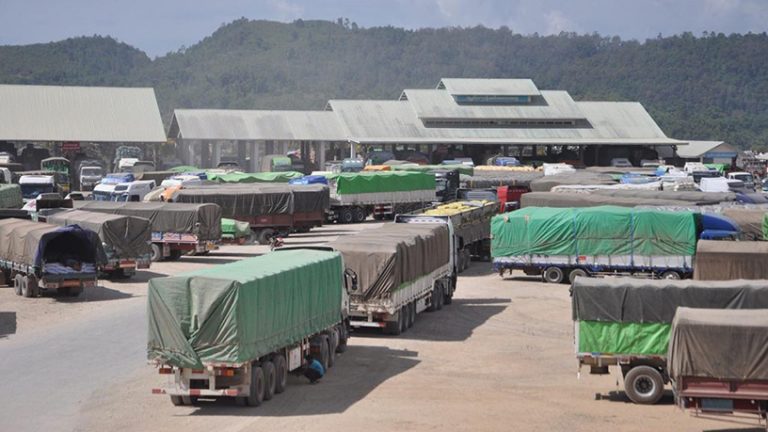
(1 June 2020) The Lweje and Kampaiti borders have been reopened for export, after they were temporarily closed to contain the spread of COVID-19, according to Myanmar’s Ministry of Commerce. Previously, the export of watermelon, muskmelon, mango and plum to China was only allowed through the Muse border. A local daily reported that Myanmar’s mangosteen, rambutan, lychee, watermelon, muskmelon, mango and plum have been cleared for import by China’s food safety inspection mechanism, the General Administration of Quality Supervision, Inspection, and Quarantine (AQSIQ). China accounts for 95% of Myanmar’s fruit exports. High-security measures at China’s border areas due to the COVID-19 pandemic have caused a long queue at border areas, causing huge losses to fruit growers. China-Myanmar border trade at all five borders fell to US$3.75 billion from US$3.9 billion a year ago.
Read more>>

Vietnam permits over 300 Chinese traders entry to buy lychees
(1 June 2020) Vietnamese Prime Minister Nguyen Xuan Phuc has allowed Chinese traders to enter Vietnam to buy lychees in the northern province of Bac Giang, a lychee growing hub. Three hundred and nine Chinese traders are expected to enter Vietnam in June and be tested for COVID-19 during a 14-day quarantine period, according to the chairman of Luc Ngan District in Bac Giang, La Van Nam. The traders will be required to show COVID-19 negative certificates issued by competent Chinese authorities. Upon arrival in Vietnam, they will be quarantined. Following that, those who test negative will be granted a certificate stating they are virus-free and permitted to interact with local farmers. Vietnam has not allowed entry for foreign nationals except those with diplomatic and official passports and business managers, experts and high-skilled workers since 22 March.
Read more>>

Singapore, China to launch “fast lane” arrangement for essential travel
(29 May 2020) Singapore and China have agreed to launch a “fast lane” arrangement in early June for essential travel related to business and official purposes, Singapore’s Ministry of Foreign Affairs (MFA) said in a statement released on 29 May. The arrangement will be applied between Singapore and six Chinese provinces or municipalities directly under the central government (Shanghai, Tianjin, Chongqing, Guangdong, Jiangsu and Zhejiang). COVID-19 preventive and control measures will be part of the arrangement. The MFA said the arrangement will be gradually expanded to other Chinese cities and both sides have agreed to explore the increase in air links between the two countries under the “fast lane.”
Read more>>

China garment giant expands in Cambodia’s Special Economic Zone
(31 May 2020) The Phnom Penh Special Economic Zone Plc (PPSP) has signed a lease agreement on 29 May for additional land with China’s Marvel Garment Co Ltd. PPSP is the company behind the Phnom Penh Special Economic Zone (PPSEZ), a 357ha industrial park in Kambol district’s Kantaok commune on the outskirts of the capital. A leading knitwear manufacturer, Marvel Garment is the local arm of Chinese clothing manufacturer Shenzhou International Group Holdings Ltd. According to Marvel Garment general manager Yan Delin, the transaction involves the lease of 6.4ha of land. The PPSEZ registered US$1.1 billion in trade volume in 2019, up 14% from 2018. Government data showed that Cambodia exported US$2.7 billion worth of goods through special economic zones in 2019, up 27% from 2018.
Read more>>

Chinese locomotive maker in Malaysia keeps up production despite COVID-19 outbreak
(2 June 2020) Chinese rail transit equipment manufacturer CRRC in Batu Gajah, Malaysia has continued to produce and conduct field testing during the COVID-19 pandemic. According to Wang Xinyu from CRRC Zhuzhou Locomotive Co Ltd. (CRRC ZELC), field testing had been suspended for two months and only resumed on 12 May. He was assigned to CRRC’s rolling stock centre in Malaysia in February 2019 to lead the after-sale service team of the ETS2 Project. Employees at CRRC’s rolling stock centre have been working day and night to make up for lost time. Various functionalities and parts of the train would be checked during the day while field testing was conducted at night. The ETS trains manufactured by CRRC have been running between the capital city of Kuala Lumpur and the northern border town of Padang Besar since 2015, carrying more than 10,000 daily passengers.
Read more>>