The future of Asian conservation

Originally published in TheEdge Malaysia, 1-7 June 2020 edition.

On February 24, an industry worth US$74 billion and that employed 14 million people was shut down due to the COVID-19 outbreak. This was not a global industry, it was the legal wildlife trading industry in China alone – turtles, foxes, deer, civets; all non-domesticated animals. The shutdown by the Chinese authorities took place because the industry was profiled as a high-risk economy for future outbreaks from zoonotic diseases.

Since the ban, over 20,000 legal wildlife farms have been closed or quarantined, halting the sale of over 50 species of animals. Wildlife farmers in various provinces across China are now being offered financial incentives to rear domesticated animals instead. It has even triggered similar reactions across ASEAN, with Vietnam now seriously considering banning the consumption of wildlife.

This has historic implications for ASEAN’s conservation efforts given that Southeast Asia, as one of the world’s biodiversity hotspots, supplies much of Asia’s demand for wildlife, both legal and illegal. If the ASEAN Economic Community (AEC) – which currently does not have homogenous wildlife trading laws – can emulate China’s decision and implement a ban on its own multi-billion-dollar wildlife trading industry, ASEAN will see its biodiversity protected, its underground economy shrunk, and its people protected from future diseases.

China’s decision to ban all forms of legal wildlife trading operations (with exceptions on certain wildlife used for traditional medicine) is particularly prodigious for ASEAN’s biodiversity because the Chinese ban also involves a crackdown on the illegal wildlife trade in China. In the weeks post the ban, Chinese authorities arrested members from four different smuggling groups.

This is important: the illegal wildlife trade is the world’s fourth most lucrative criminal trafficking enterprise (behind drugs, human trafficking, and arms) – generating US$20 billion every year – and China’s illegal wildlife trade is particularly large, at 1237.6 tonnes of confiscated products from endangered species in 2019 alone. As a consequence of the crackdown, Southeast Asia’s criminal poachers and traffickers will see their business opportunity in China plummet, hopefully helping to save ASEAN’s tigers, elephants, pangolins, tapirs, hornbills, agarwood, orchids and dozens of other rare animal and plant species.

Thus, as the COVID-19 dust settles, there is a window of opportunity for the AEC to put in place a robust mechanism for region-wide conservation: to work with China to crackdown on the extensive illegal wildlife trade in Southeast Asia, and to take the bold step of emulating the Chinese decision to ban all wildlife trade, including appropriate penalties for transgressions. Demand might be highest in China, but Southeast Asia is still readily supplying through illegal channels.

There will be enforcement challenges, but the need is imperative. One 2019 study found that hunting and indiscriminate trapping may be responsible for more rare flora and fauna community degradation than all deforestation in Southeast Asia. Indeed, the statistics are frightening: Cambodian border officials seized 3.2 tonnes of elephant ivory in December 2018; in the Philippines, over 1,500 live turtles were seized in March 2019; Singapore and Malaysia seized over 55 tonnes of pangolin scales in 2019; and Thailand seized over 1,600 bear claws in January 2019. Together, these numbers transform ASEAN into a hotbed of illegal wildlife activity, and the AEC should no longer remain silent to this slaughter and pillage of its biodiversity.

The scale of illicit wildlife trade is made possible by the organised and extensive criminal operations in Southeast Asia, something that undermines the progress the AEC strives for, especially as it unfortunately implies the complicity of AEC officialdom. Southeast Asia’s criminal activities are decentralised, shifting transportation networks that take advantage of poor cross-border management and enforcement systems, while also leveraging on trans-border connectivity, including transportation and financial systems. Just as a “war” has been declared on COVID-19, a real war must be waged against this visible enemy that utilises the same trade routes we do.

This is where the AEC steps in, with a duty of care to guarantee that ASEAN connectivity becomes inhospitable to wildlife traffickers. In the new reality of the post-COVID-19 world, the AEC must not only run a region-wide campaign to raise awareness among the public, it must redouble its efforts to actively protect Southeast Asian biodiversity from poaching and trafficking with a zero-tolerance policy.

Why? Because exotic wildlife, like pangolins and bats, can act as transmission vectors to people – three out of four emerging infectious diseases come from animals – and we have even seen that tigers are capable of contracting COVID-19. In fact, current research suggests that the horseshoe bat and Malayan pangolin are the transmitters of COVID-19. Both species are endemic to Southeast Asia, and are poached, trafficked or used by people in Southeast Asia. The next epidemic may be even more terrifying and may come from a different transmission source, so we need to do everything we can now to reduce the risk of loss of life and economic collapse – something the AEC is most certainly mandated to aim for.

There are already many ASEAN conservation strategies in place and in the regional pipeline. Some have been very successful, but there’s clearly a lack of progress on coordinated conservation that leverages on the institutional strength found in the ASEAN Working Group on Nature Conservation and Biodiversity (ASEAN-WGNCB), the ASEAN Centre for Biodiversity (ACB), and the ASEAN Wildlife Enforcement Network (ASEAN-WEN). These are large multilateral organisations that seem to have not achieved a conservation impact proportional to their size or supposed influence, nor cultivated a strong public image.

For example, the research and recommendation efforts of the ACB have been tremendous – they have produced the ASEAN Biodiversity Outlook, a comprehensive report that details the context, challenges, and key focus areas for ASEAN policymakers in a format that has never been seen before – yet the translation from research to action is diminutive at best.

Instead, we see ASEAN member states continuing to over-exploit their own biodiversity while also bleeding it to poachers and traffickers.

For example, over 2,200 tigers have been seized in the last 20 years in Southeast Asia, which is over half the number of wild tigers left in the world. And no one needs reminding that the last Sumatran rhino died last year. If ASEAN is to fulfil its ambition of being a global player and a collective of progressive societies that provides prosperity for its peoples, it must begin to seriously value its biodiversity and reduce the risk of contributing to the next pandemic.

Given this, it is now clear that the AEC must work to achieve three things: First, to enact laws to ban legal wildlife trading. Second, to collaborate with China to secure the welfare of Southeast Asia’s biodiversity by homing in on illegal wildlife trade networks. Third, to build on robust existing AEC institutions in order to execute conservation strategies effectively as a regional enforcement medium.

By doing so, the AEC will not only help conserve Southeast Asia’s biodiversity and protect its population from disease, it will also begin to concretely address the AEC’s potent underground economy and its ties to systemic poverty. Better policing of the wildlife trading frontier will invariably involve helping those marginalised rural populations that are exploited by criminal groups to act as the suppliers of wildlife.

It will also mean deep diving into transportation networks also used for drugs, weapons, and illegal labourers. Thus, wildlife conservation in Southeast Asia is no longer just a “green” pursuit. It is part of a wider movement the AEC needs to take to bring its population and economy into the 21st century.

We can only hope that COVID-19 acts as the spark for the AEC to take real conservation action, putting an end to this international tragedy of the commons while simultaneously minimising the risk for the next pandemic and economic crisis.


Mekong Monitor: Cambodian stock market sees first bank listing


Photo credit: B2B-Cambodia


TRADE, ECONOMY, AND INVESTMENT


CAMBODIA

Cambodian stock market sees first bank listing
(25 May 2020) The Cambodia Securities Exchange (CSX), which opened in 2011, saw its first bank listing when Acleda Bank listed on the stock market on 25 May 2020. Cambodia’s largest commercial bank became the sixth firm to join CSX, behind a garment factory, two state-owned ports, and a special economic zone. Acleda has been operating since 1993 and owns assets worth US$7.5 billion. The initial fanfare for Cambodia’s trading future has dimmed, with the country’s lack of financial literacy and a dearth of eligible companies being major obstacles. The Business Research Institute for Cambodia questioned the timing of the initial public offering in the middle of the COVID-19 pandemic but Acleda’s chairman and managing director In Channy downplayed the risks of debuting on the CSX during the pandemic, saying the bank would not have listed if there had been concerns.
Read more>>

MYANMAR

Myanmar’s Mandalay region to boost national rice reserve to 5,000 tonnes
(25 May 2020) Myanmar’s Mandalay region intends to increase its national rice reserve to 5,000 tonnes for emergencies, in case the COVID-19 pandemic drags on. The region currently stores over 1,800 tonnes of rice. The Ministry of Commerce had previously announced on 22 April that it would buy and stockpile 50,000 tonnes of rice and 12,000 tonnes of palm oil as reserve food for emergencies. The ministry plans to purchase the items at a reasonable price. According to Oakkar Kyaw, Secretary of Mandalay Region Chamber of Commerce and Industry (MRCCI), the 5,000 tonnes of rice will be stored in Kyaukse Township, Mandalay Region where the current 1,800 tonnes of rice is being stored.
Read more>>

THAILAND

Thailand extends state of emergency until end of June 2020
(26 May 2020) The Thai government has agreed with the Centre for COVID-19 Situation Administration’s (CCSA) proposal that the nation-wide state of emergency is extended for another month, to the end of June. According to government spokesperson Narumon Pinyosinwat, the government views the extension as necessary because it helps in the containment of COVID-19. She added that the state of emergency also supplements the Communicable Disease Act, which is not enough to deal effectively with the COVID-19 pandemic. Prime Minister Prayut Chan-o-cha has insisted the extension is not politically motivated but government critics claim the special law is unnecessary now that the situation has improved significantly with single-digit daily COVID-19 infections.
Read more>>

VIETNAM

Vietnam seeking a US$679 million tax cut for small businesses
(25 May 2020) Vietnam is planning a US$679 million (15.8 trillion dong) cut in corporate income tax for small-sized enterprises in 2020 to help them overcome the economic impact of the COVID-19 pandemic, its Ministry of Finance announced on 25 May. For companies with annual revenue of less than US$2.1 million (50 billion dong), the ministry is planning a 30% cut in corporate income tax, pending government approval. Small-sized enterprises account for 93% of the 760,000 companies present in Vietnam, according to the ministry. Apart from small-sized enterprises, the ministry is also seeking approval from lawmakers for a US$1.6 billion (37.5 trillion dong) tax exemption for agricultural land use during the period 2021-2025.
Read more>>

LAOS

US announces US$3.2 million of CDC support for Laos’ COVID-19 response
(26 May 2020) The US announced on 22 May its commitment of an additional US$3.2 million in funding support from the US Centers for Disease Control and Prevention (USCDC) for the prevention, preparedness, and response activities in response to COVID-19 in Laos. The resources will be used for surveillance, laboratory capacity building, infection prevention and control, community mitigation, emergency response, and vaccine preparedness. The latest assistance is part of the US’s long-term health collaboration with Laos. As part of that effort, USCDC has since 2006 supported Laos’ Ministry of Health to prepare for and respond to past outbreaks such as avian and pandemic influenza, and currently, the COVID-19 pandemic.
Read more>>


mekong-monitor-map

About Greater Mekong Subregion (GMS)

The Greater Mekong Subregion (GMS) Economic Programme was launched by the Asian Development Bank in 1992 connecting five developing ASEAN countries, namely Cambodia, Laos, Myanmar, Vietnam and Thailand, and Chinese provinces of Yunnan and Guangxi Zhuang Autonomous region. The region has some of the most robust economies sharing the Mekong River Basin thanks to its reform and liberalisation. The subregion is growing at a faster pace than the whole of East Asia and the Asia Pacific as the GDP growth rate for 2017 was at 6.4 percent, according to the World Bank. The population at the subregion as of 2016 is at 340 million while the GDP at PPP is at US$3.1 trillion in 2016. In 2015, trading within the region was at US$444 billion.

China-ASEAN Monitor: Vietnam and China held virtual conference to discuss boosting Vietnamese agro-food exports to China


Photo Credit: Nhan Dan


Economy, Investment and Trade


Vietnam and China held virtual conference to discuss boosting Vietnamese agro-food exports to China
(27 May 2020) Vietnamese and Chinese trade promotion authorities held a joint virtual conference to discuss measures to boost Vietnamese agro-food exports to China, particularly the latter’s Yunnan province. The conference saw the attendance of 23 Vietnamese enterprises. The Director of the Vietnam Trade Promotion Agency noted that while trade between Vietnam and Yunnan province had seen positive results, it has yet to meet its potential. Although both Vietnam and China have essentially contained their coronavirus outbreaks, trade activities between both countries have yet to return to normal.
Read more>>

Vietnam to intensify checks on Chinese shrimp exports due to DIV1 virus fears for shrimps
(25 May 2020) Vietnam’s Ministry of Agriculture has called for tighter checks on the exports of shrimp broodstock, shrimp post-larvae and aquaculture feed from China due to fears of an outbreak of decapod iridescent virus 1 (DIV1) in shrimp in China. Vietnams’ anti-smuggling and trade fraud authority, as well as the northern provinces, have been tasked with intensifying border checks and inspections of the products from China. It is believed that DIV1 has caused massive losses in China, with an outbreak reported in South China in April 2020. This year’s outbreak is reportedly worse than in previous years.
Read more>>

Cambodian and Myanmar tourism industry eyeing the return of Chinese tourists post-pandemic
(21 May 2020) Tourist operators in Cambodia and Myanmar are looking to recapture the Chinese market one international travel is allowed again. At the latest meeting of the Mekong Tourism Advisory Group, Myanmar’s Ministry of Hotels and Tourism stated that the ministry had been holding virtual meetings with Chinese tour group operators to discuss receiving Chinese travellers post-pandemic. In 2019, a total of 344,268 Chinese arrivals visited Myanmar, a 75% year-on-year increase. Cambodia, for their part, stated they will continue to promote their five-year ‘China Ready’ plan to attract more Chinese tourists. In 2019 more than 2 million Chinese arrivals visited Cambodia, a 16.7% year-on-year increase.
Read more>>

Myanmar and Chinese authorities to look into restrictions of border trade
(27 May 2020) Myanmar and Chinese authorities will be initiating ‘field visits’ to look into restrictions of border trade between both countries, which is reportedly causing losses for traders. Myanmar’s ambassador to China has stated they will look to resolve this issue by meeting with the relevant government departments. At present, three border trade posts are open for trade operations on the Sino-Myanmar border, but Chinese laws preventing Myanmar drivers from entering the country causes delays in trade activities and difficulties in the flow of goods into China. The Myanmar side is calling for China to increase the number of Chinese drivers to replace Myanmar drivers at the entry ports. Before the COVID19 outbreak, about 700 cargo vehicles crossed the border daily, but now this has been reduced to about 200 vehicles daily.
Read more>>

Construction of 15.2 kilometer tunnel on China-Laos railway completed on 25 May 2020
(25 May 2020) Construction of the 15.2 kilometre tunnel on the Kunming-Vientiane Railway which will link Laos with China was completed on 25 May 2020. The Ganzhuang tunnel is located in the southwest of China’s Yunnan province, and is the first high-risk tunnel to be built along the railway line. The tunnel goes through eight geological faults with complicated geological conditions such as the deformation of soft rocks and noxious gasses. Construction on the tunnel started in 2016, and the entire railway line is expected to be operational by end-2021.
Read more>>

CARI Captures 455: Laos ranks third in ASEAN for average mobile internet speed


LAOS

Laos ranks third in ASEAN for average mobile internet speed
(18 May 2020) Laos ranks third-fastest among ASEAN countries in terms of average 4G download speed of mobile internet data, according to a report released by UK-based Opensignal which looked at mobile network experience across 100 countries. Singapore has the fastest download speed of mobile data in Southeast Asia at 47.5 Mbps, followed by Vietnam (20.6 Mbps) and Laos (17.1 Mbps). The global ranking of ASEAN countries are: Singapore (6th), Vietnam (41st), Laos (52nd), Brunei (55th), Myanmar (56th); Malaysia (73rd); Indonesia (80th); Thailand (81st); the Philippines (83rd) and Cambodia (87th). Among ASEAN countries, six of them saw an increase of above 40.0% in download speed with Thailand having the largest increase at 61.0%. Only Malaysia saw a decrease in mobile download speed at 4.8%. Globally, Canada and South Korea topped the ranking of internet speed with an average 4G download speed of 59.6 Mbps and 59.0 Mbps, respectively.

INDONESIA

Indonesia to tax internet giants from July 2020
(18 May 2020) Indonesia will require big internet companies to pay value-added tax on sales of digital products and services from July 2020 onwards. The country will impose a 10% VAT on digital products sold by non-resident internet companies with significant presence in the Indonesian market and this includes streaming services, applications and digital games beginning 1 July. Indonesian authorities have previously said services by streaming platforms like Spotify and Netflix would be among those subject to the new tax. According to analysts, the COVID-19 pandemic has heightened a push by governments around the world to tax internet giants, who could see a jump in revenues as people stay at home during global lockdowns. The move by Indonesia could accelerate a wider push in the region as other countries seek to boost revenues following the pandemic.

ASEAN

Fundraising by Southeast Asian-centric funds slows in the first quarter of 2020
(14 May 2020) Fundraising by Southeast Asian venture capitalists in the first quarter of 2020 tripled year-on-year but declined 47% when compared to the previous quarter, according to a report by a regional media company. The funds managed to raise more than US$1.3 billion in the first three months of 2020 but the situation is expected to worsen as the COVID-19 pandemic further affects investors’ risk appetite, said industry stakeholders. In the first quarter of 2020, Singapore and Indonesia achieved total fund closes worth US$983 million and US$161 million respectively, while Malaysia, Thailand, Vietnam and Cambodia recorded no deals. Market observers expect a challenging year for early-stage funds and those without a proven track record.

VIETNAM

Ministry says no to halting of petroleum imports
(16 May 2020) The Ministry of Industry and Trade has rejected a proposal that Vietnam stop importing petroleum, saying large domestic inventories cannot negate other factors such as international commitments. Deputy Minister of Industry and Trade Do Thang Hai said at a meeting on 15 May that the proposal by state-owned oil giant Petrovietnam (PVN) for the country to stop importing petroleum was considered very carefully but infeasible based on several factors. All 33 businesses in petroleum import and export have reported difficulties with domestic retail prices having dropped eight times this year. The ministry, however, pointed out that the petroleum industry was not the only one facing similar issues due to COVID-19. Suspending petroleum imports would mean Vietnam prohibiting other countries from exporting, which is a violation of international commitments made in trade agreements and as a WTO member.

THAILAND

ADB to provide US$7.2 million loan for Thai wind-plus-battery project
(18 May 2020) The Asian Development Bank (ADB) told an energy news outlet on 18 May that it will lend US$7.2 million for the construction of the Southern Thailand Wind Power and Battery Energy Storage Project, which is the country’s first private sector initiative to combine the two technologies at scale. The project has added an “integrated” 1.88MWh battery energy storage system (BESS) to an existing 10MW wind turbine power plant. The addition of the BESS is being considered a pilot scheme that has the potential to be replicated and scaled-up elsewhere in Southeast Asia. The project will contribute to Thailand’s Power Development Plan, introduced in late 2018, which aims to source 18% of the country’s energy from renewables, mostly solar, by 2037.

THAILAND, VIETNAM

Panasonic to close facility in Thailand and consolidate production in Vietnam
(21 May 2020) Japanese electronics corporation Panasonic plans to close its appliance production facility outside Bangkok, Thailand, by fall 2020 and consolidate its production in a larger facility in Vietnam. The plant in Thailand will stop producing washing machines and refrigerators by September and October 2020 respectively, the building itself will be closed by March 2021. The Thai plant’s 800 employees will be let go. By consolidating production in Vietnam, Panasonic hopes to reduce costs, but it also represents a larger shift of production by Japanese electronics manufacturers away from Thailand due to labour costs. The company currently employs some 8,000 workers in Vietnam.

INDONESIA

Indonesia’s current account deficit narrows in first quarter of 2020
(20 May 2020) Indonesia’s current account deficit narrowed to 1.4% of GDP in the first quarter of 2020, down from 2.8% of GDP in the previous quarter. This was attributed to falling imports and the shrinking deficit in services amid the COVID-19 pandemic. While Indonesia’s import value dropped 3.69% in the first quarter to US$39.17 billion, its exports grew 2.91% to US$41.79 billion. This led to a trade surplus of US$2.62 billion. At the same time, financial and capital accounts recorded a US$2.9 billion deficit in the January-March period, compared with the previous quarter’s US$12.6 billion surplus, which was attributed to a jump in capital outflows. Indonesia’s current account deficit for the full year of 2020 is expected to be around 1.81% of GDP versus 2.72% in 2019.

INDONESIA

Indonesia’s smartphone shipments in first quarter of 2020 hit record low
(21 May 2020) Indonesia’s smartphone shipments declined by 7.3% year-on-year in the first quarter of 2020, hitting a record low in the last two years. The smartphone market shipped a total of 7.5 million units in the first quarter. The lower shipments were attributed to the impact of COVID-19 in the last few weeks of the first quarter. Brands that were able to maintain business continuity did so through local production facilities and a safe buffer zone of component supplies during the first two months of 2020. The smartphone market is expected to continue experiencing turbulence caused by the pandemic until the third quarter of 2020. However, the implementation of the international mobile equipment identity (IMEI) registration regulation may promote consumption in the local smartphone industry.

MYANMAR

Alibaba’s fintech arm to invest US$73 million in Digital Money Myanmar
(19 May 2020) Ant Financial Services Group, which is under the umbrella of China’s e-commerce giant Alibaba, will take a US$73 million stake in Digital Money Myanmar (Digital Money) to tap into the country’s digital payment market. Digital Money is a joint venture between local conglomerate Yoma Group and major Norwegian mobile carrier Telenor Group. Ant Financial’s stake in Digital Money, however, has not been disclosed. Digital Money operates mostly as a remittance service, and hopes to leverage upon Ant Financial’s experience to become a widely used digital payment platform. The Myanmar government has stated its intention to use mobile payment services to distribute funds to households hit by the COVID-19 pandemic.

MALAYSIA

Government to charge 50% of hotel charges for returning Malaysians’ quarantine
(20 May 2020) Malaysia’s Senior Minister for Security Ismail Sabri stated that starting 1 June, Malaysians returning to the country would have to pay 50% of the hotel charges for the mandatory 14-day quarantine. The remaining half of the costs would be borne by the government, for a fixed ceiling rate of US$34.46 per day. Permanent residents and foreigners will be required to pay the charges in full. Both Malaysians and foreigners alike will be required to sign the agreement for payment prior to entering the country. The letters will be issued by Malaysian embassies abroad. Ismail also stated that those under Malaysia’s My Second Home programme will be allowed to enter the country but subject to approval by authorities.

Mekong Monitor: Thai economy shrinks for the first time since 2014


Photo credit: AFP


TRADE, ECONOMY, AND INVESTMENT


THAILAND

Thai economy shrinks for the first time since 2014
(18 May 2020) Thailand’s economy shrank for the first time in six years due to the COVID-19 pandemic, which has shuttered borders and devastated the tourism-reliant country. Data released on 18 May by its economic planning agency showed a nearly 40% drop in tourist arrivals in the first three months of 2020, compared with the same period last year. This decrease has resulted in the economy shrinking by 1.8% year-on-year in January-March. The kingdom has not seen a contraction since 2014 when it was brought to a standstill by political riots that led to a coup two months later in May. The drop in new COVID-19 cases has fuelled hope for an economic recovery as the government gradually loosens restrictions on shopping malls, restaurants and public spaces.
Read more>>

CAMBODIA

Cambodia lifts ban on the exports of paddy, white rice and fish
(17 May 2020) The Cambodian government has announced that the ban on the export of paddy, white rice and fish to international markets will be lifted starting on 20 May. The decision was made on 15 May, after an announcement was made to allow for the export of white rice. It overturns a ban implemented in early April to ensure food security and price stability in the country during the COVID-19 outbreak. Cambodia Chamber of Commerce vice-president Lim Heng said that the export of paddy, white rice, and fish would help to partially offset the economic slowdown in the services sector, especially in the tourism sector.
Read more>>

LAOS

Laos eases COVID-19 lockdown by opening schools, resuming domestic travel
(18 May 2020) Laos reopened its schools on 18 May and resumed inter-regional travel after nearly two months of COVID-19 lockdown. The country currently has a total of 19 cases, 14 of which have made a full recovery, while five are still hospitalised. Having been in lockdown since 1 April, Laos has had no new cases for 36 days as of 18 May. Schools have reopened for classes and exams at the primary, lower and upper secondary levels while all other students will continue to take their classes remotely. Businesses including restaurants, shops, and beauty salons, have been permitted to resume their work. Several modes of transport services between regions in the country have resumed activity as well.
Read more>>

MYANMAR

Myanmar’s rubber export income falls US$30 million between October 2019-April 2020
(19 May 2020) Myanmar exported 114,000 tonnes of rubber worth over US$140 million at the end of April 2020, of its current financial year which began on 1 October 2019. The amount showed a decline of around US$30 million compared with the same period of the previous financial year, according to the Ministry of Commerce. Rubber prices currently range between US$0.64 – US$1.32 (900 kyat -1,850 kyat) per viss (a viss equals 1.6 kg) depending on the quality and variety. According to the Myanmar Rubber Planters and Producers Association (MRPPA), the fall in rubber export is due to falling demand and difficulties in trade related to the COVID-19 pandemic while the volatility of the price of rubber is linked to global climate change.
Read more>>

VIETNAM

Vietnam consumers optimistic amid COVID-19
(17 May 2020) Consumers in Vietnam appear to be some of the most optimistic, among Asian countries surveyed, that their country will overcome the challenges of COVID-19, according to a McKinsey mid-April consumer survey. Only 4% of Vietnamese consumers surveyed believe the pandemic will have a long-lasting impact on the economy and create a lengthy recession. This is in comparison to 6% in Indonesia, 16% in the US, and 24% in South Korea. This optimism, together with the country’s head start on recovery, is expected to play a crucial role in shaping the country’s new reality. Of the more than 600 respondents from Vietnam, 47% believe the economy will rebound within two to three months and will then grow at a similar or even faster rate than before the pandemic.
Read more>>


mekong-monitor-map

About Greater Mekong Subregion (GMS)

The Greater Mekong Subregion (GMS) Economic Programme was launched by the Asian Development Bank in 1992 connecting five developing ASEAN countries, namely Cambodia, Laos, Myanmar, Vietnam and Thailand, and Chinese provinces of Yunnan and Guangxi Zhuang Autonomous region. The region has some of the most robust economies sharing the Mekong River Basin thanks to its reform and liberalisation. The subregion is growing at a faster pace than the whole of East Asia and the Asia Pacific as the GDP growth rate for 2017 was at 6.4 percent, according to the World Bank. The population at the subregion as of 2016 is at 340 million while the GDP at PPP is at US$3.1 trillion in 2016. In 2015, trading within the region was at US$444 billion.

China-ASEAN Monitor: Indonesia preparing to host US companies relocating from China


Photo Credit: Antara Photo


Economy, Investment and Trade


Indonesia preparing to host US companies relocating from China
(16 May 2020) Indonesia is preparing to host US companies relocating from China amidst the trade war and COVID-19 pandemic, according to a senior official. The Indonesian government is reportedly clearing some 4,000 hectares of land in Central Java to accommodate these companies. The plan was reportedly a follow-up from a phone call on 25 April between Indonesian President Joko Widodo and US President Donald Trump, during which the US President discussed purchasing ventilators and making possible investments into the country, especially for pharmaceuticals. According to Indonesia’s investment body BKPM, the country received some US$141 billion in investments in the first quarter of 2020, out of which more than 46% was foreign investment.
Read more>>

Apple to partially manufacture upcoming AirPods Studio headphones in Vietnam to diversify from China
(19 May 2020) US tech company Apple is reportedly planning to partially manufacture its upcoming over-ear AirPods Studio headphones in Vietnam as the company seeks to diversify its production away from China. This would be the first time Apple would use factories in Vietnam to produce an entirely new product instead of using them to supplement the manufacture of an older model already produced in China. Companies Goertek and Luxshare will assemble the AirPods Studio in Vietnam, with shipments to reportedly begin in June or July 2020. According to a tech news outlet, Apple’s move to diversify production comes amidst political and trade tensions between the US and China.
Read more>>

Malaysia well-positioned to attract MNCs relocating production from China
(15 May 2020) Malaysia is well-positioned to attract multinational corporations (MNCs) relocating production away from China due to the trade war and COVID-19 pandemic. According to the CEO of Malaysian Investment Development Authority (MIDA) Azman Mahmud, the country’s strong fundamentals include infrastructure, supply chain networks, connectivity, and skilled workforce. He stressed, however, that these companies may not be willing to relocate immediately, but that instead, it will depend on larger global market dynamics. It was suggested that Malaysia could also encourage foreign investors to set up their ASEAN regional headquarters in Malaysia through tax incentives.
Read more>>

China, Hong Kong, and Macau to be removed from list of “dangerous disease zones”
(15 May 2020) Thailand will remove China alongside Hong Kong and Macau from its list of “dangerous disease zones” from 23 May 2020 onwards. The territories would be delisted due to their effectiveness in preventing and containing the COVID-19 pandemic. The list had been drawn up in March as Thailand began to contain the virus. Visitors arriving from countries on the list must produce health certificates and have health insurance. They must also agree to install and use a mobile monitoring application. The list, however, has largely become moot since all inbound international flights to Thailand have been banned since early April and is expected to continue until 31 May or longer.
Read more>>

China’s CITIC Group donates protective equipment to Rakhine state to fight COVID-19
(19 May 2020) China’s CITIC Group donated protective equipment on 19 May to the town of Kyaukpyu in Myanmar’s Rakhine state to fight the spread of COVID-19. The Chinese Embassy stated that the donation represented the social responsibility of Chinese companies in Myanmar. The donations included 25,600 medical masks, 350 personal protective equipment (PPE) and 650 face shields. CITIC Group had previously donated 30 tonnes of rice and 10 disinfectant sprayers to Kyaukpyu earlier this month. A member of the donation committee of Kyaukpyu said the local facility quarantine centres are in need of such medical supplies and the donation would be a great help in its efforts to fight COVID-19.
Read more>>

CARI Captures 454: ASEAN calls for support for workers affected by COVID-19


ASEAN

ASEAN calls for support for workers affected by COVID-19
(15 May 2020) ASEAN labour ministers have called for measures to ensure workers’ income, jobs and safety in order to support labourers amid the COVID-19 pandemic, at a special meeting held via videoconferencing on 14 May 2020. The Special Meeting of ASEAN Labour Ministers on Response to the Impact of COVID-19 on Labour and Employment was held to discuss the widespread and profound impacts of the pandemic on the health and livelihoods of people in ASEAN and around the world. The ministers adopted a joint declaration which stressed the need to implement joint efforts to promote labour and employment policies in response to the impacts of pandemics, economic crisis or natural disasters in the future. The meeting was also attended by ASEAN Secretary-General Lim Jock Hoi while International Labour Organisation (ILO) Director-General Guy Ryder shared his views and experiences from a global perspective, on the impact of COVID-19 to global employment, including future collaboration opportunities with ASEAN member states.

ASEAN

Thailand, Malaysia, Singapore may see recovery in first quarter of 2021
(12 May 2020) Export-oriented economies in South-east Asia are forecasted to take longer to recover from the COVID-19-led slowdown, compared with those with lower exposure to the impact of the global recession, according to a Morgan Stanley report released on 11 May. Economies like Thailand, Malaysia and Singapore are expected to recover in the first quarter of 2021. The lockdowns implemented by some of these countries have led to a double hit on exports and domestic demand. Countries like the Philippines and Indonesia are expected to recover earlier than the three economies even though the two countries’ institutional response to COVID-19 has trailed behind some of its peers. Their lower exposure to global recession impact and relatively high structural growth are why they are expected to return to pre-COVID-19 levels after China, which is expected to recover by the third quarter of 2020. Nevertheless, the report noted that if the drag from COVID-19 lingers, recovery could be hindered.

MALAYSIA

Malaysian economy beats expectations to grow by 0.7% in the first quarter of 2020
(14 May 2020) Malaysia has beat the expectations of economists and analysts to grow by 0.7% in the first quarter of 2020. This was against a -0.1% general projection and a -0.4% contraction projected by OCBC Bank. A contraction had been expected on the back of the COVID-19 pandemic, political instability, and low oil prices. Central bank governor Nor Shamsiah Mohd Yunus stated that the economy is expected to post a deep contraction in the second quarter, before recovering in the third. Malaysia is expected to benefit from a global economic recovery with its strong logistical players helping to boost online retailers. Inflationary pressures are expected to be muted this year due to low global oil and commodity prices.

THAILAND

Mitsubishi Motors reduces output in Thailand amidst COVID-19 pandemic
(14 May 2020) Mitsubishi Motors aims to reduce its workforce in Thailand as it reduces output in response to the COVID-19 pandemic. The company informed workers of the early retirement offer on 7 May, offering severance packages equivalent to eight to 35 months of wages, depending on the employee’s age and seniority. No numerical goals for job cuts have been set by the company yet. Mitsubishi makes a total of 400,000 cars a year in Thailand, and exports vehicles to over 100 nations. Sales in Thailand fell by 30% year-on-year in the first quarter of 2020, and plummeted by a further 50% in March. Production had been idled in April, and is expected to resume on 18 May.

VIETNAM

Vietnam’s central bank further cuts policy rates to mitigate COVID-19 impact
(13 May 2020) The State Bank of Vietnam has reduced the refinancing rate from 5.0% to 4.5% and the discount rate cut from 3.5% to 3.0% on 13 May 2020. This is the second time in two months that Vietnam has cut its policy rates. The dong deposit rate cap for terms of one to six months has been reduced from 4.75% to 4.25%. The central bank said it was part of the government’s efforts to “help businesses overcome difficulties and ensure social security amid the COVID-19 pandemic.” The country’s garment, timber and seafood exporters have reported a decline in global demand in the last two months. Its aviation, travel and food industries have also struggled due to travel restrictions and social distancing measures.

INDONESIA

Indonesia eyes US$1 billion rescue for Garuda
(11 May 2020) Indonesia is preparing a US$1 billion rescue plan for struggling national airline Garuda after the economic fallout from COVID-19 has forced the company to ground most of its planes, according to a business news report. Under the plan, around US$500 million in Garuda debt would be restructured with another US$500 million in new loans to help the airline meet operational needs for the next six months, said the report which cited Deputy State-Owned Enterprises Minister Kartika Wirjoatmodjo. The national airline was facing the prospect of defaulting on Islamic bonds known as sukuk, due in June. Investors would also be offered the option of extending maturities on their investment by three years or a staggered repayment scheme. State-controlled Garuda, which operates a fleet of more than 200 aircraft with its Citilink subsidiary, has temporarily cut employee salaries to help cope with an air travel slump sparked by the global pandemic.

CAMBODIA

Cambodia’s export of famous Kampot pepper affected by COVID-19
(12 May 2020) The exports of Cambodia’s renowned Kampot pepper, one of only two of the country’s products to be registered as a Geographical Indication in the European Union (EU), have been impacted by the COVID-19 pandemic, local media reported on 11 May. Currently, more than 130 tonnes of Kampot pepper remain in stock because it couldn’t be exported to markets like the EU and South Korea due to the pandemic. According to Chan Rith, director of Kampot provincial agriculture department, even though the exports of Kampot pepper are stuck, the price has not dropped. The harvest season runs from March to late June and the annual average yield is 2.5 tonnes per hectare. Ngoun Lay, president of the Kampot Pepper Promotion Association, said about 50% of the Kampot pepper is shipped to the EU, 20% to other markets, mainly to the US, Canada, Japan, South Korea, and Hong Kong, while the remaining 30% is consumed domestically.

CAMBODIA

Cambodian government working to improve country’s rice exports competitiveness
(14 May 2020) The Cambodian Ministry of Commerce and other relevant agencies reviewed a study on rice export costs in order to improve the competitiveness of the country’s rice exports. The ministry chaired the discussion alongside the Cambodia Agriculture Value Chain Programme (CAVAC) and Cambodia Rice Federation on 13 May. The study had been proposed by the Ministry of Commerce with technical and financial support from CAVAC. It looked at the value chain of the sector to target exports to European and other countries. Among the challenges to competitiveness included electricity prices and high transport costs. In the first four months of 2020, Cambodia exported 300,252 tonnes of rice to foreign markets, a year-on-year increase of 48%.

THE PHILIPPINES

The Philippines to import an additional 300,000 tonnes of rice to boost state stockpiles
(11 May 2020) The Philippine government is planning on importing an additional 300,000 tonnes of rice to boost state stockpiles. This would raise the Philippines’ rice imports in 2020 to a record 3 million tonnes, with the government seeking a government-to-government deal with rice producers such as Myanmar, Vietnam, Thailand, India and Cambodia. The Philippines suffered a 3.6% year-on-year contraction in its rice harvests in the first quarter of this year. Vietnam is usually the Philippines largest supplier, with the Philippines having contracted from Vietnam 666,480 tonnes of rice so far in 2020. Of this amount, 218,300 tonnes have been delivered, leaving a balance of 448,180 tonnes. The Philippines is seeking the delivery of an additional 300,000 tonnes of rice before the third quarter of 2020.

BRUNEI

Brunei receives medical supplies from Chinese military
(15 May 2020) Brunei officially received medical supplies from the Chinese People’s Liberation Army, as both countries sought to enhance bilateral cooperation in battling COVID-19. The supplies were received on 14 May, and included medical masks, goggles, protective clothing, and waterproof isolation suits. After the outbreak of COVID-19 in Brunei, the Chinese central government, the Guangxi Zhuang Autonomous Region government and the Nanjing municipal government had also donated anti-COVID-19 medical supplies to the Brunei government. The Chinese embassy in Brunei had also contributed to the Brunei COVID-19 Relief Fund.

Mekong Monitor: Lao government has approved around US$37 billion worth of investments between 1989-2019


Photo credit: vnshop.vn


TRADE, ECONOMY, AND INVESTMENT


LAOS

Lao government has approved around US$37 billion worth of investments between 1989-2019
(14 May 2020) The Lao government has approved some US$37 billion worth of investments from the opening up of Laos’ economy in 1989 to 2019. The total number of investment projects during the period was 6,144 with an overall investment value of US$36.8 billion, according to figures recently released by the Ministry of Planning and Investment. China remains the largest foreign investor with a total of 862 projects with a combined investment value of US$10 billion. Thailand and Vietnam were listed as the second- and third-largest foreign investors with investment values of US$4.7 billion and US$3.9 billion, respectively. Other significant foreign investors within the same period included South Korea, France, the US, Japan, Malaysia and Australia. The most popular investment sector in Laos was electricity generation with investments worth US$14 billion, followed by mining, with investments worth US$7.5 billion.
Read more>>

THAILAND

Tourist arrivals to Thailand may plunge by almost two thirds in 2020
(12 May 2020) The Tourism Authority of Thailand noted in its latest forecast that the number of foreign tourists visiting Thailand in 2020 may plunge by almost two thirds to 14 million, its lowest in 14 years. This is a dramatic drop from the projection of 33.8 million tourists made in March 2020. In 2019, some 39.8 million tourists visited the country, with spending from foreign tourists accounting for 11% of its GDP. It has been suggested that foreign tourists may return to Thailand in October when the high season begins.
Read more>>

THAILAND

Thai companies struggle to raise funds in debt market as bond yields soar
(12 May 2020) Several Thai companies have struggled to raise funds in the Thai corporate bond market as yields on riskier local-currency debt have jumped near the highest in a decade. According to data from the Thai Bond Market Association and Securities & Exchange Commission, at least seven lower-rated Thai borrowers failed to raise as much in baht notes as they’d wanted recently. It is believed that government steps to reopen the economy will be crucial to investor sentiment, while the central bank has set up a bond-buying programme to support companies’ refinancing efforts and have cut its policy rate to a record low of 0.75%. However, one analyst warned that until the COVID-19 pandemic finally dies down, most investors will remain cautious about dealing with corporate bonds.
Read more>>

MYANMAR

More than 6,300 factory workers in Yangon region have lost their jobs as of end-April
(13 May 2020) More than 6,300 factory workers in Yangon region have lost their jobs as of end-April 2020, due to the economic ramifications of COVID-19. The Confederation of Trade Unions in Myanmar stated that some 47 factories have either closed or downsized their workforce, with most of these factories producing clothing, shoes, and bags. While some factories have closed temporarily, others have closed permanently. According to the Ministry of Labor, Immigration and Population, around 100 factories have closed or reduced their workforce. The labor ministry has ensured that sacked employees will receive redundancy payments and social security compensations.
Read more>>

CAMBODIA

Cambodia to resume white rice exports
(21 April 2020) Vietnam’s deputy prime minister Trinh Dinh Dung on 20 April ordered the advancing of the export (13 May 2020) The Cambodian government announced that white rice exports would be allowed to resume from 20 May 2020 onwards. White rice exports had been previously banned for over a month to ensure local food security amidst the COVID-19 pandemic. The resumption was made at the request of the Cambodia Rice Federation and after the kingdom has detected no new COVID-19 cases for a month. The country exported a total of 300,252 tonnes of milled rice in the first four months of 2020, a 40.5% increase over the same period last year. On another note, the government has also encouraged factories in the garment industry to start making face masks, medical supplies, and personal protective equipment for local demand and export.
Read more>>


mekong-monitor-map

About Greater Mekong Subregion (GMS)

The Greater Mekong Subregion (GMS) Economic Programme was launched by the Asian Development Bank in 1992 connecting five developing ASEAN countries, namely Cambodia, Laos, Myanmar, Vietnam and Thailand, and Chinese provinces of Yunnan and Guangxi Zhuang Autonomous region. The region has some of the most robust economies sharing the Mekong River Basin thanks to its reform and liberalisation. The subregion is growing at a faster pace than the whole of East Asia and the Asia Pacific as the GDP growth rate for 2017 was at 6.4 percent, according to the World Bank. The population at the subregion as of 2016 is at 340 million while the GDP at PPP is at US$3.1 trillion in 2016. In 2015, trading within the region was at US$444 billion.

China-ASEAN Monitor: Hundreds of tonnes of corn discarded at Myanmar-China border every day


Photo Credit: EPA


Economy, Investment and Trade


Hundreds of tonnes of corn discarded at Myanmar-China border every day
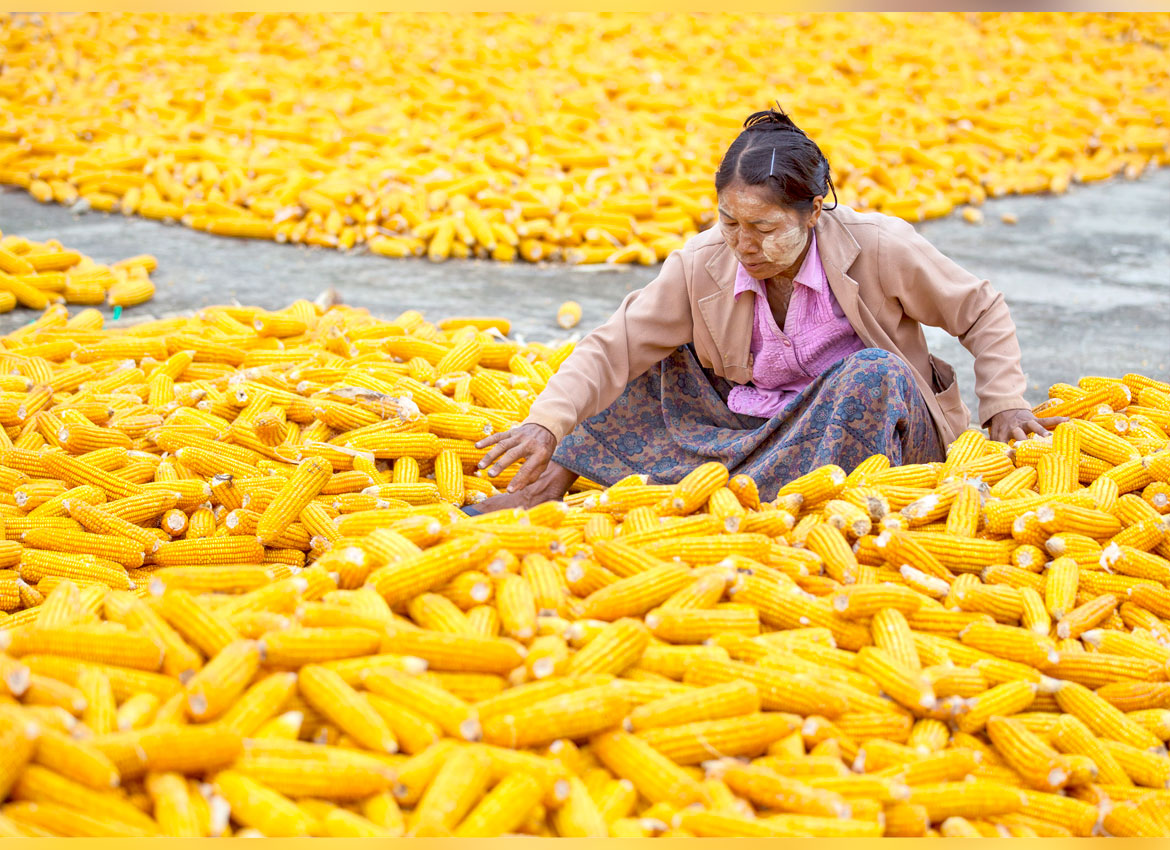
(11 May 2020) An estimated 100 tonnes of corn is being thrown daily into Myanmar’s Shweli River after exports to China were suspended along the Namkham-Muse gates in Shan State, residents told a local news daily. Trade at the Muse border town, which had resumed after weeks of suspension earlier this year, has once again come to a standstill after a resident tested positive for COVID-19. According to a representative from the Muse Fruit Wholesale Centre, the sweet corn only lasts three days and are being thrown as they are not allowed to enter China after being harvested. A resident of Namkhan said that recently Chinese police and military have detained at least 30 such trucks carrying corn due to heightened security and the number is rising. A local farmer said that the amount of loss incurred is between US$2,130 and US$2,800 per acre. The Muse district management committee and border traders are now in negotiations with the Chinese authorities in an effort to obtain official permission for corn exports.
Read more>>

China pushes for BRI projects inclusion in Myanmar’s economic relief plan
(7 May 2020) Chinese Ambassador to Myanmar Chen Hai and Myanmar’s Deputy Minister for Planning, Finance and Industry U Set Aung met for a discussion on 6 May where topics discussed included the implementation of Beijing’s key infrastructure projects in Myanmar. The two sides discussed how to move forward on the development of China’s ambitious projects in Myanmar based on the Myanmar government’s COVID-19 Economic Relief Plan (CERP). The projects discussed included New Yangon City, Kyaukphyu Deep-Sea Port and Industrial Zone, and the China-Myanmar Border Economic Cooperation Zone. According to Daw Khin Khin Kyaw Kyee, head of the China desk at the Institute for Strategy and Policy (ISP), the three projects constituted the main agenda when Chinese President Xi Jinping came to Myanmar in January. The projects were branded as the three pillars of the China-Myanmar Economic Corridor (CMEC), itself a part of China’s Belt and Road Initiative (BRI).
Read more>>

The Philippines to seek joint exploration talks with China
(11 May 2020) Philippine Energy Secretary Alfonso Cusi wants to further discuss joint exploration efforts in the West Philippine Sea with his Chinese counterparts once the enhanced community quarantine is lifted. A meeting between the Department of Energy and its Chinese counterpart that was supposed to take place earlier this year had to be postponed due to the COVID-19 pandemic. Cusi said there could potentially be a meeting once the quarantine ends but there were no specific details yet on when and where the meeting would take place. Officials from both countries last held a meeting on joint exploration in December 2019. The joint exploration in the West Philippine Sea follows the memorandum of understanding (MOU) signed by Philippine president Rodrigo Duterte and Chinese president Xi Jinping in November 2018.
Read more>>

AIIB to provide US$1 billion-loan for Indonesia’s COVID-19 response
(10 May 2020) The Asian Infrastructure Investment Bank (AIIB) will allocate a total of US$1 billion in loans in two disbursements to help Indonesia in its COVID-19 response. The first disbursement, worth US$250 million, will be part of a co-financing programme with the World Bank and the Islamic Development Bank to provide a total of US$750 million in loans. The second disbursement will be a loan worth US$750 million to fund Indonesia’s economic relief and social safety net programmes, as part of a co-financing programme with the Asian Development Bank, which has committed to provide US$1.5 billion for the country. With the number of its COVID-19 cases exceeding 13,000 as of 8 May, Indonesia requested the loans to finance its efforts to strengthen hospital readiness, pandemic response and testing capacity. The AIIB forecasted that the Indonesian economy would grow by less than 1% in 2020 before recovering in 2021, down from its earlier projection of 6%.
Read more>>

Cambodian king thanks China for its support in COVID-19 fight
(11 May 2020) Cambodia’s King Norodom Sihamoni expressed his gratitude to China for its support in aiding the kingdom’s fight against COVID-19. The king and Queen Mother Norodom Monineath Sihanouk were in China for a routine medical check-up and treatment in Beijing. Chinese State Councilor and Minister of Foreign Affairs Wang Yi paid a courtesy call to the king on 8 May on behalf of Chinese President Xi Jinping. King Sihamoni thanked China for supporting Cambodia’s battle against COVID-19 and expressed readiness to increase bilateral experience sharing to better protect people’s lives and safety. A statement said the two sides are working for a China-Cambodia community with a shared future based on a comprehensive strategic cooperative partnership.
Read more>>

CARI Captures 453: ASEAN manufacturing downturn intensified in April


ASEAN

ASEAN manufacturing downturn intensified in April
(5 May 2020) Manufacturing activity in the ASEAN region deteriorated further to a record low in April due to disruption on the supply side while demand dried up during the COVID-19 pandemic, according to the latest IHS Markit statement. The ASEAN Purchasing Managers’ Index (PMI) fell to “an all-time low” of 30.7 in April, further worsening from a 43.4 reading in March, which represents “by far the largest monthly deterioration in manufacturing conditions since the series began in July 2012.” PMIs are reported on a hundred-point scale, with readings above 50 signifying an expansion in purchasing activity. All seven ASEAN countries surveyed posted declines in April, with the Philippines third with a record-low PMI reading of 31.6, behind Vietnam’s 32.7 and Thailand’s 36.8. Indonesia was the weakest of the countries surveyed at 27.5, plunging from 45.3 in March. Myanmar was at 29 in April from 45.3 in March, while Malaysia settled at 31.3 from 48.4 in March. Singapore recovered to 29.3 from the record low of 18.1 in March.

ASEAN

ASEAN working to restructure supply chains, according to Vietnamese minister
(7 May 2020) With the COVID-19 pandemic having had a negative impact on regional and global economies, ASEAN countries are making greater efforts to recover and improve their responsiveness to future risks, Vietnam’s Minister of Industry and Trade Tran Tuan Anh said. He told a local news agency on 6 May that Vietnam, as ASEAN chair, has proactively made adjustments in response to the outbreak. All recent ASEAN meetings devised initiatives and statements aimed at effectively and collectively responding to the pandemic. On 6 May, Anh had a phone discussion with ASEAN Secretary-General Lim Jock Hoi to look into economic recovery and supply chain maintenance. Apart from joint initiatives between ASEAN and its partners, the two sides also discussed common efforts by the ASEAN Chair and the ASEAN Secretariat on action plans and the integration of joint initiatives with various channels and sectors so as to effectively revitalise the economies of ASEAN and the world.

ASEAN

ASEAN countries expected to suffer significant drop in global remittances
(1 May 2020) ASEAN countries heavily dependent on global remittance flows such as the Philippines, Indonesia and Vietnam, are expected to suffer from a significant drop in remittance flows due to the COVID-19 pandemic. The World Bank recently stated in a report that global remittances are expected to drop by the widest margin in history in 2020, as wage workers suffer from wage cuts and job losses around the world. Remittance flows to the East Asia and Pacific region is estimated to fall by 13% in 2020, from US$147 billion in 2019. The Philippines accounts for nearly half of 2019’s remittances to five major countries in ASEAN, receiving US$35.1 billion in 2019 alone. Vietnam is the second-largest recipient, with remittances accounting for 6.5% of its GDP. Indonesia, on the other hand, could suffer from a huge drop in remittances from the Middle East, with the Gulf Cooperation Council states accounting for 43% of its total.

INDONESIA

Indonesian-Australian free trade agreement to take effect on 5 July 2020
(7 May 2020) A free trade agreement between Australia and Indonesia is set to come into effect on 5 July 2020, providing a welcome boost for exporters amidst the COVID-19 pandemic. The agreement was approved by Canberra in December 2019, while Indonesian MPs signed it into law in February 2020. The Australian agricultural sector is expected to benefit from improved access to the Indonesian market, including red meat producers, grain growers, and dairy producers. Service providers in vocational education, healthcare, telecommunications, energy, and construction are also expected to benefit. Australian Trade Minister, Simon Birmingham, stated that the agreement provides an opportunity to stimulate growth and investment between both nations during the recovery phase.

THE PHILIPPINES

COVID-19 sees the Philippines’ economy contract by 0.2% in first quarter of 2020
(7 May 2020) The Philippines’ economy contracted by 0.2% in the first quarter of 2020 (Q1 2020) due to the lockdown imposed on the main island of Luzon. This is the country’s first contraction since the fourth quarter of 1998. Philippine officials stated that the economy could contract in the next two quarters. Before the pandemic, economists predicted a 3.1% growth in Q1 2020. Household consumption in Q1 2020 grew by only 0.2% due to restrictions imposed to control the spread of the pandemic. The government is weighing whether to ease the lockdown by 15 May 2020. A senior economist at ING Bank stated that the Philippines economy is on course for a technical recession in 2020.

MALAYSIA

Malaysia’s trade surplus in first quarter of 2020 rises
(4 May 2020) Malaysia recorded a trade surplus of US$8.6 billion in the first quarter of 2020 (Q1 2020), marking a 0.1% increase compared to the same period in 2019, the highest trade surplus recorded for the first quarter since 2011, according to the International Trade and Industry Ministry (MITI). Total trade contracted 8.1% compared to the previous quarter. Exports and imports contracted 7.4% and 8.9% respectively while the quarterly trade surplus expanded 1.5%. Total trade during Q1 2020 grew 1.2% year-on-year to US$102 billion. The country recorded higher trade with Indonesia, the US, South Korea, Saudi Arabia and Singapore while recording lower trade with Thailand, Hong Kong, Vietnam, Germany and Singapore. According to MITI, trade with ASEAN in March 2020 contracted 5.0% year-on-year to US$9.2 billion, accounting for 26.4% share of Malaysia’s total trade.

MALAYSIA

Central bank cuts overnight policy rates by 50 basis points
(5 May 2020) Malaysia’s central bank, Bank Negara Malaysia (BNM) has cut its overnight policy rate (OPR) by 50 basis points (bps) to 2.00%, a level last seen during the 2008-09 global financial crisis. The ceiling and floor rates for the OPR have been reduced to 2.25% and 1.75%, respectively, BNM said in a statement issued on 5 May. With this latest cut, the OPR has been reduced by a total of 100bps since the start of 2020; the central bank had cut the OPR by 25bps to 2.75% in January, before making another 25bps cut in March to 2.50%. The last time it made a 50bps rate cut to 2.00% was on 24 February 2009. BNM noted that global economic conditions have weakened significantly, with measures to contain COVID-19 causing economic disruption worldwide. The latest cut by BNM matches expectations by economists surveyed by Bloomberg. In the survey, 14 out of 20 economists believed the central bank would lower the OPR to 2.00%.

MYANMAR

Myanmar negotiates for funds to rescue economy
(7 May 2020) Myanmar is currently negotiating for foreign aid and assistance from the World Bank, Asian Development Bank and International Monetary Fund to help it implement a stimulus plan aimed at providing relief to businesses and industries affected by COVID-19, according to deputy minister of Planning, Finance and Industry, U Maung Maung Win. The country’s COVID-19 Economic Relief Plan (CERP), released in April, provides relief to the private sector through low-interest loans of up to US$360 million and credit guarantee schemes. According to deputy minister of Planning, Finance and Industry, U Set Aung, the government has received confirmation from its development partners to support hundreds of millions of dollars in development assistance needed to implement the CERP. So far, the World Bank has approved a US$50 million financing scheme for the Myanmar COVID-19 Emergency Response Project. The country is also considering IMF financing options, U Kyaw Kyaw Maung, governor of the Central Bank of Myanmar, said during a teleconference with members of ASEAN on 24 April.

SINGAPORE

Singapore looks to ramping up manufacturing activities
(3 May 2020) Singapore is looking to progressively ramp up its manufacturing activities, with the city-state looking to restart its economy as COVID-19 curbs start to ease over the next few weeks, its minister of trade and industry, Chan Chun Sing, told reporters on 3 May. Around 17% of Singapore’s labour force is currently working onsite to maintain essential services and support for global production chains and connectivity. Chan said sectors that are intertwined with the global supply chain such as biopharmaceutical and petrochemicals, as well as precision manufacturing, will be among the priority sectors. According to him, workplaces will have to put in place prescribed measures to minimise the risk of infection before they can reopen, adding that those who are able to work from home will have to continue to do so for the foreseeable future. The government announced on 2 May that it would start allowing some businesses to reopen from 12 May onwards.

BRUNEI

Encouraging response to e-commerce platforms
(6 May 2020) The Authority for Info-communications Technology Industry of Brunei Darussalam’s (AITI) e-commerce platform has received favourable responses from the public since its introduction in April 2020. There are currently 14 e-commerce platforms registered under AITI, which sell products including food and beverages, and clothing. A similar initiative under Bank Islam Brunei Darussalam, called Community for Ramadhan has 120 participating vendors and 300 more on the waiting list. The e-commerce platforms were well-received by the public, said Minister at the Prime Minister’s Office and Minister of Finance and Economy II Mohd Amin Liew Abdullah during a press conference on 5 May. He added that there were already 14,000 visitors to eKadaiBrunei, an online portal that offers a list of products and services. He believes that e-commerce as a platform for vendors to sell products allows companies to create jobs and thus, helps the economy.