Press Release: ASEAN economic integration is making progress but further deepening of market integration and greater momentum are imperative to meet the AEC 2025 targets


ASEAN economic integration is making progress but further deepening of market integration and greater momentum are imperative to meet the AEC 2025 targets

Kuala Lumpur, 25 September 2018 – ASEAN economic integration is making progress but further deepening of market integration and greater momentum are imperative to meet the AEC 2025 targets.

img-pr1-1

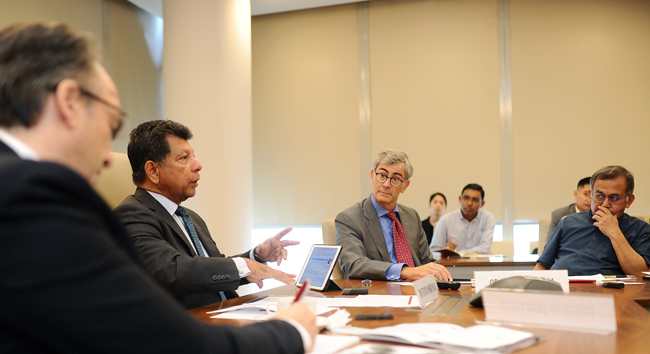
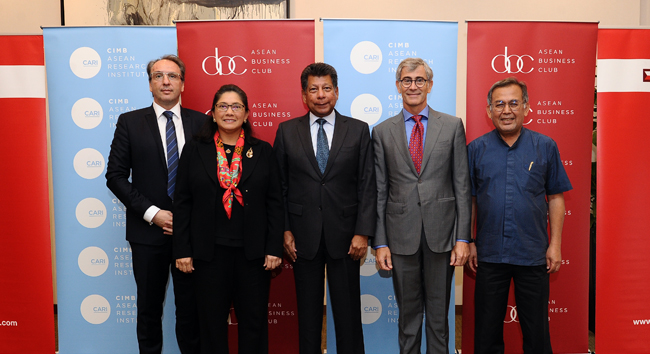
(From left) Tan Sri Dr. Munir Majid, Chairman of CIMB ASEAN Research Institute (CARI) and President of the ASEAN Business Club and Dr. Aladdin D. Rillo, Deputy Secretary-General of ASEAN Economic Community sharing their thoughts during the CARI Briefing session on “Progress, priorities and challenges of ASEAN Economic Community (AEC)”. The briefing was organised by CARI on 25 September 2018, in collaboration with the ASEAN Business Club. 

Dr. Aladdin D. Rillo, Deputy Secretary-General of the ASEAN Economic Community (AEC) said that the AEC, whose end goals include eliminating tariff barriers, reducing costs and enhancing competitiveness among ASEAN member states, has achieved substantial targets to date.

“Tariff elimination is on track through the ASEAN Free Trade Agreement (AFTA), trade facilitation has become more flexible, and the investment regime is much more open. Most of the priority measures under AEC this year are to be implemented by end-2018,” he said.

Dr. Aladdin D. Rillo, Deputy Secretary-General of the ASEAN Economic Community (AEC) shared these updates at the second edition of CARI Briefings titled, “Progress, priorities and challenges of the ASEAN Economic Community (AEC)”, which was organised by the CIMB ASEAN Research Institute (CARI) and the ASEAN Business Club today.

In terms of the movement of goods, Dr. Rillo said the first protocol to amend the ASEAN Trade in Goods Agreement (ATIGA) was signed at the 50th ASEAN Economic Ministers Meeting recently, allowing for the operationalisation of the ASEAN-wide self-certification scheme. To address non-tariff measures in ASEAN, guidelines for the Implementation of ASEAN Commitments on Non-Tariff Measures on Goods was endorsed. The ASEAN Single Window (ASW) is now operating in Indonesia, Malaysia, Singapore, Thailand and Vietnam while other countries are expected to come on board by end-2018 or early 2019.

As for the movement of services, the protocol to implement the 10th AFAS Package which provides liberalisation of more services sectors with higher degree and depth was also signed at the 50th ASEAN Economic Ministers Meeting. Additionally, the existing ASEAN Solutions for Investments, Services and Trade (ASSIST) will further include trade in services with the soft-launch which is expected to be held at the ASEAN Business and Investment Summit (ABIS) in November 2018.

In response to the challenges of the digital economy, ASEAN has endorsed the ASEAN Agreement on e-Commerce and the ASEAN Digital Integration Framework with focus on infrastructure, regulatory frameworks, skills upgrading, and engagement with stakeholders. The AEC Council is expected to endorse the ASEAN Digital Integration Framework (DIF) at the ASEAN Summit in Singapore this November.

“ASEAN hopes for the markets to help establish infrastructure that supports market connectivity, innovation and technology to enhance AEC. Markets should also explore financing mechanisms that supports market integration including new financing products and services, as well as innovative financing solutions. It is also hoped that the market reduces the incentives for excessive risk-taking and eliminates economic moral hazards that may undermine market contestability should be reduced in the region,” said Dr. Rillo.

Addressing the rising trade tensions, ASEAN economic ministers recognise the seriousness of the rising protectionism that has led to uncertainties in global economy. ASEAN’s position is to push for further deepening of market integration through the implementation of the AEC, and the strengthening of external relations with ASEAN’s dialogue partners.

CARI Chairman Tan Sri Dr. Munir Majid, who chaired the briefing, welcomed the progress made by ASEAN governments, especially the further liberalisation of trade in services. He cautioned that ASEAN must continue to champion trade liberalisation despite the rise of protection.

“The escalating trade war is putting pressure on the rules-based global trade order. While ASEAN member states could potentially benefit from the tariff wars in the short term, ASEAN must recognise that there will be greater long-term gains from better trade relations between the world’s 2 biggest economies.”

ASEAN leaders must continue to champion free trade while trying to strike a balance between national and regional interests. Meaningful economic integration requires not only political will but also speed. ASEAN economic integration must pick up momentum, as there remain many gaps in the movement of goods, services, investment, capital and skilled labour that must be bridged before the window of growth closes.”

Event update for CARI Briefings on Progress, priorities and challenges of ASEAN Economic Community (AEC)>>

ASEAN Roundtable Series: Trade War and its impact on ASEAN

Published on 10 September 2018

img-rtroundup-rt12.jpg

img-text-speakers.jpg

Dr. Donald Hanna

Dr. Donald Hanna

Group Chief Economist, CIMB Group

Read more

Dr. Donald Hanna has an insightful blend of both global perspective and local ASEAN experience in analyzing global macroeconomic and policy developments, having done his first work on ASEAN while still in graduate school. He began his professional career with the World Bank working in Washington DC and Jakarta, Indonesia. He has managed macroeconomic teams for Goldman Sachs and Citigroup, ending his stint with Citi as their Deputy Chief Economist. In addition to sell-side experience, Dr. Hanna has worked on the buy-side providing macro and market views to risk takers at two hedge funds. He has also set up and managed an independent, Asian-focused macro research office.

Dr. Hanna is a Fulbright Scholar, and has a PhD in Economics from Harvard University and a BA, summa cum laude, in Economics and Spanish from the University of California at Berkeley. He is also a member of the Advisory Board of the Centre for Applied Macroeconomic Analysis at Australia National University and the Asian Development Bank’s International Advisory Group. He is fluent in both Spanish and Bahasa Indonesia.

Dato' Muhamad Noor Yacob

Dato’ Muhamad Noor Yacob

Board Member, Malaysia Productivity Corporation (MPC)

Former Ambassador/Permanent Representative of Malaysia to World Trade Organisation (WTO)

Read more

Dato’ Muhamad Noor Yacob is the Board Member of Malaysia Productivity Corporation (MPC) and former Ambassador/Permanent Representative of Malaysia to World Trade Organisation (WTO). He started his career in Malaysia’s Public Service at the Ministry of Plantation Industry and Commodities in 1974. During this stint, including as the Trade Commissioner in the United Kingdom, Muhamad Noor represented Malaysia extensively in international trade fora, including ASEAN, the United Nations Conference on Trade and Development (UNCTAD) and various international commodity organisations. He was Malaysia’s Permanent Representative to WTO in Switzerland from 2003 until 2009. He was appointed in October 2003 and was elected Chair of the following WTO bodies – General Council (2007), Dispute Settlement Body (2006), and Negotiating Group on Trade Facilitation (2004 – 2005). He graduated with honours in economics from the University of Malaya in 1974. Muhamad Noor also holds a Master of Public Policy at the University of Wisconsin at Madison, which he obtained in 1982 and attended the Advanced Management Program at Harvard Business School in 2002.


Roberto Benetello

Roberto Benetello

Chief Executive Officer European Union (EU) – Malaysia Chamber of Commerce and Industry

Read more

Over 20 years of experience in international relations and business facilitation, general management, marketing and business development in various sectors, Benetello’s work experience ranges from providing consultancy in strategic business planning, marketing, international business development and start-ups to online strategy and event planning.

Benetello started his career with EU-Malaysia Chamber of Commerce and Industry (EUMCCI) in April 2016 when he joined the Board of the Chamber and was later appointed the Chairman of the Board of Directors.

The valuable contributions he made during his chairmanship prompted the Chamber to appoint him as EUMCCI’s first CEO to further leverage on his capability and expertise in operations.

Benetello holds a Masters Degree in Marketing from Lincoln University, UK and an a Master in Business Administration from SDA Bocconi School of Management, Bocconi University, Italy.

Benetello’s vision is to make EUMCCI the go-to platform for members, other EU Bilateral Chambers and the EU business community in Malaysia, where to aggregate business critical issues into recommendations for relevant stakeholders to make Malaysia a friendly business environment for EU companies and investors to the benefit of all parties involved.”

Siobhan M. Das

Siobhan M. Das

Executive Director, American Malaysian Chamber of Commerce (AMCHAM)

Read more

Siobhan Das is the Executive Director of the American Malaysian Chamber of Commerce (AMCHAM). Assuming the positon in January 2016, Siobhan has overseen the revitalization of the Chamber, making it one of the most active and effective AmChams in the region. She reached this achievement by strengthening the Chamber’s presence from within, driving stronger engagement with its members and developing a powerful voice for its various business communities. By leading targeted, well designed, and sustained engagement with key stakeholders, including U.S. and Malaysian government officials, Siobhan has effected policy changes that benefit not only AMCHAM stakeholders, but other companies, contributing to a more open and fair business climate.

She returned to Malaysia after almost 12 years in China, five of which she served as Director of Committees (Industry) at the largest American Chamber of Commerce in the Asia Pacific – Shanghai. There she directed and shaped the role of 26 Committees filled with volunteering senior executives, leading them to advocate successfully on behalf of the U.S. business communities they represent and address issues impacting day-to-day business.

Prior to moving into the non-profit sector, Siobhan spent more than 20 years in the film and television industry across Asia and the U.S., including owning her own production & corporate communications company in Kuala Lumpur. She holds two degrees from Boston University and, more recently, she was a Sloan Fellow at the London Business School where she earned her Master’s in Leadership and Strategy.


Chair

Tan Sri Dr. Munir Majid

Tan Sri Dr. Munir Majid

Chairman, CIMB ASEAN Research Institute President, ASEAN Business Club

Read more

Tan Sri Dr. Munir is currently Chairman of CIMB ASEAN Research Institute, of Bank Muamalat Malaysia Berhad, of the Financial Services Professional Board, of ASEAN Business Advisory Council, Malaysia, as well as President of the ASEAN Business Club. He also sits on the board of the Institute of Strategic and International Studies (ISIS) Malaysia and on the Financial Services Talent Council of Bank Negara Malaysia.

He has an extensive experience and is well known in the Malaysian corporate world. He had been the Group Editor of the New Straits Times, first executive chairman of CIMB and founding chairman of the Malaysian Securities Commission. After stepping down from the Securities Commission, he became Independent Non-Executive Director of Telekom Malaysia Berhad, Chairman of Celcom (Malaysia) Berhad and Non-Executive Chairman of Malaysian Airline System Berhad. He was Founder President of the Kuala Lumpur Business Club, established in 2003 and is a member of the Court of Fellows of the Malaysian Institute of Management.

Tan Sri Dr. Munir obtained a B.Sc (Econ) and Ph.D in International Relations from the London School of Economic and Political Science (LSE) in 1971 and 1978. He is an Honorary Fellow of LSE and continues the long association with his alma mater as Visiting Senior Fellow at the Centre of International Affairs, Diplomacy and Strategy. Tan Sri Dr. Munir is an associate of Southeast Asia Centre (SEAC) at LSE.


CARI’s ASEAN Roundtable Series on 14 August 2018 brought together a panel of speakers who discussed views and concerns on the tariff battle between the United States and China and how it will impact the economy in the region. Titled “Trade War and Its Impact on ASEAN”, the speakers acknowledged that a trade war is never good for the global economy in the long run and steps should be taken to uphold free-trade and a rules-based system. Also, speakers were reminded that apart from the trade war, there is the prospect of a ‘Capital War’ to the global economy that needs to be addressed.


INTRODUCTION

The advent of Trade War between the U.S. and China has seen many markets fearing the effects it would have on the rules-based, free trade system and open global economy. What started with the United States imposing global safeguard tariffs on solar panels and washing machines, has now led to tariffs on steels, aluminium, automobiles, food, motorcycles, machinery, and electrical equipment and electrical equipment.

  • In 6 July 2018, the Donald Trump led administration imposed 25 per cent tariffs on US$34 billion worth of goods from China.

  • It further escalated when Trump’s administration issued a list of 10 per cent tariff on US$200 billion worth of Chinese goods on 10 July 2018.

  • The president up the ante by warning China on 2 August 2018 that further 25 per cent tariff will be imposed on the next US$200 billion of Chinese imports. On 3 August 2018, China also retaliated by announcing that it could add duties of 5 to 25 per cent on US$60 billion worth of goods from the United States.

  • On 23 August 2018, an additional US$16 billion worth of Chinese products were affected and the Chinese government retaliated with its own tariffs on American goods worth the same amount.

These moves have only raised fears and questions over the future of open, free market trade, and there is a great deal of uncertainty as to how the trade war would affect global markets. In order to bring some clarity these complex issues, the ASEAN roundtable series brought together a group of eminent speakers, namely, Dr. Donald Hanna, Group Chief Economist, CIMB Group; Dato’ Muhamad Noor Yacob, Board Member, Malaysia Productivity Corporation (MPC) and Former Ambassador and Permanent Representative of Malaysia to World Trade Organisation (WTO); Roberto Benetello, Chief Executive Officer, European Union (EU) – Malaysia Chamber of Commerce and Industry, and Siobhan Das, Executive Director, American Malaysian Chamber of Commerce (AMCHAM) and the session was moderated by Tan Sri Dr. Munir Majid, Chairman of CIMB ASEAN Research Institute.

Dr. Munir opened the session by saying that the historic paradigm of a rules-based, free trade oriented and open global economy is under attack, with some experts arguing that it is crumbling. For ASEAN, while some opportunities may arise from the fallout of the trade war, the effects for those countries are generally negative as they have benefited from a liberal trading environment. He said that open regionalism and economic integration is the answer and the rate of integration at the moment is not good enough.

img-series-textheader.jpg


1. Impact on ASEAN growth and inflation

The World Bank reports that a trade war between the U.S. and China will affect the Southeast Asian region as two-thirds of the products that the US was targeting with additional tariffs are connected to a value chain that stretches across ASEAN countries namely the Philippines, Malaysia, and Vietnam. For example, products such as electrical equipments and machinery, though assembled in China, use materials from several countries in ASEAN.

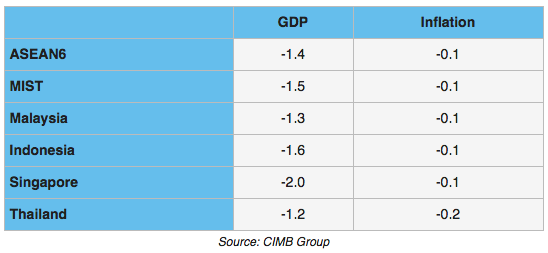
Figure 1: Possible impact on ASEAN’s GDP and inflation if a trade war happens
Screen Shot 2018-09-24 at 4.00.18 PM

Based on CIMB Group’s projections, Singapore growth rate would be the hardest hit as a trade war would reduce the nation’s growth by 2.0 percentage points. Indonesia is next with a reduction of 1.6 percentage points, followed by Malaysia with 1.3 and Thailand with 1.2 percentage points.

Concerning collective impact, ASEAN-6, which comprises of Malaysia, Thailand, Brunei Darussalam, Indonesia, Singapore and The Philippines, growth would be diminished by 1.4 percentage points while nations bordering the Mekong Delta would see a reduction of 1.5 percentage points.

Deflationary pressures are expected in all the ASEAN nation as a result of slower economic growth. While not covered in the talk, this prospect might lead the governments of these nations to use monetary policy to counteract the negative price effects.


2. The current rules-based free market was created to counter trade wars during the Great Depression

Formerly the permanent representative of the World Trade Organisation (WTO), Muhamad Nor said the setting up of the organisation through its precursor, the General Agreement on Tariffs and Trades (GATT), is attributed to the lessons learnt from the trade war that took place during the Great Depression era in the late 1920s.

Muhamad Nor reminded attendees about the Smoot-Hawley Tariff Act, which increased the U.S. duties on imports to an average of 60 per cent had led to other major trading partners imposing retaliatory measures. The law which was enacted in 1930 aggravated the Great Depression, and in 1944, the Bretton Woods Agreement was the foundation for a cooperative economic environment system called the Bretton Woods System, which was in use after the World War 2.

The agreement also saw the establishment of the International Monetary Fund (IMF), International Bank of Reconstruction and Development (IBRD), which is now known as the World Bank and International Trade Organisation (ITO).

The establishment of ITO was to monitor the negotiations and administration of a new multilateral trading regime, but it never came into force due to objections from the US Congress. However, the formation of GATT was finalised between 23 nations in Geneva in 1947, and it was the multilateral trading body until the WTO succeeded it in 1995.

The GATT negotiations saw substantial reductions in tariffs, especially on industrial goods, from an average of 20 per cent to about 5 per cent in 1999.

Separately, Dr. Munir also said that structural market intervention by the US had occurred before. One example is the Plaza Accord, which forced the revaluation of the Japanese yen and the Deutsche mark, which resulted in a massive increase of Japanese investment in Southeast Asia.


3. Markets might have another war – called the capital war – to contend with

Many experts weighed in their thoughts on the trade war on how it is going to hamper global growth. The International Monetary Fund (IMF) in a report alerted that the escalating trade feud between the U.S. and the rest of the world could cost the global economy US$430 billion, with the latter more susceptible in the rising tariff war.

The IMF also estimates that the global economy will be 0.5% smaller by 2020 if the various tariffs threatened by the U.S., China, Europe, Mexico, Japan and Canada are all applied.

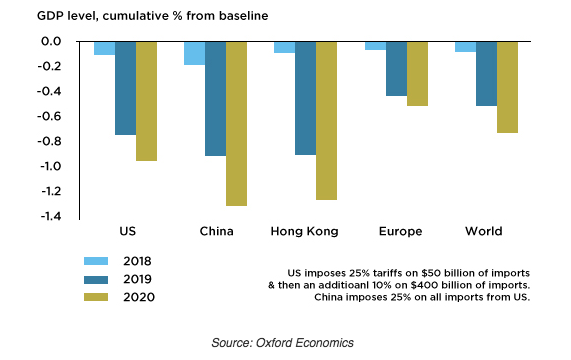
Dr. Hanna further reiterated the argument by stating that U.S. GDP growth would fall by 0.7 per cent in 2019. By 2020, the cumulative GDP losses would reach 1 per cent. As for Chinese GDP growth, it would be 0.8 per cent lower in 2019, with cumulative GDP losses of 1.3 per cent by 2020. Global GDP would fall by 0.5 per cent relative to Oxford Economics’ baseline of 0 percent by 2019.

Figure 2: Oxford Economics GDP level projections if the Trade War escalates
Screen Shot 2018-09-24 at 4.02.57 PM

However, he reminded the attendees that a capital war could change the complexion of global economics and how it could be used as a retaliatory tool by China, in addition to tariffs.

China only imports US$150 billion worth of goods from the United States while the United States imports US$500 billion worth of products from China. Thus, in the trade war situation between the two countries, China is disadvantaged in terms of relying solely on retaliatory tariffs.

China might then resort to using capital, rather than trade based methods of retaliation, against the U.S. According to Dr Hanna, China current owns US$1.2 trillion worth of U.S Government debt, making it the largest owner of U.S.Treasuries. This places the U.S. in a precarious position.

If China decides to sell even a portion of those bonds in the open market, it will cause ripples in the interest rates and bond market. Markets would likely see fixed income prices falling, and corresponding yields would increase. A rise in yields would raise the cost of borrowing for US companies and consumers and increasing the chances of a U.S. economic slowdown. The end result of that slowdown is likely to be a negative spillover effect on the global economy.

Figure 3: Real GDP Growth projections by CIMB in the event of a Capital War

Screen Shot 2018-09-24 at 4.33.04 PM


4. Trade war is testing the effectiveness of WTO’s dispute settlement system

Muhamad Nor said the existence of the dispute settlement system in WTO should help ease the trade war between the U.S.and China. The system been described as the ‘crown jewel’ as it is the only system in resolving disputes in multilateral trade.

Under the WTO, the majority of disputes among member nation center on non-compliance with broken agreements. WTO members have agreed if they believe any member has violated trade rules or their commitments, they will utilize the WTO dispute settlement system instead of taking unilateral action. The system is managed by the Dispute Settlement Body (DSB), and it’s set of rules are embodied under the as the Dispute Settlement Understanding.

More than 500 disputes have been filed at the WTO by members since 1995, and the US alone, according to the dispute cases listed by WTO, has brought more than 129 conflicts (As of 5 September 2018) to the settlement system and been respondent to 164 cases (As of 5 September 2018).

According to Muhamad Nor, since the beginning of 2018, 18 new complaints of non-compliance with commitments have been filed with the DSB. The U.S has stated that the recently implemented tariffs are justified under Article XXI of the GATT – on grounds of national security. Complainants contend that the US actions are safeguard measures – which are permitted – but entitles affected countries to compensation. The U.S. has chosen to go against the laws of dispute settlement and justify its use of retaliatory tariffs by appealing to Article XXI of the GATT.

Even though the U.S. is a fervent user of the system, it has also been critical of it as it alleges that some rulings have been unfair and that the appellate body has engaged in judicial activism – rulemaking beyond what members signed up for in the system. Thus, to gather steam for its criticism, Muhammad Nor said in his presentation that the US has blocked appointments to fill vacancies in the 7-member appellate body. Muhamad also added that some observers are concerned that Trump Administration might pull the U.S. out of WTO.

In addition, Muhamad Nor felt that the system was being held back in part by the Trump’s administration blocking of those aforementioned vacancies. Thus, the ability of the system to settle disputes, was being held back by these obstacles.

Finally, Muhamad Nor said the DSB members should take punitive measures on those members who were not adhering to the DSU rules.


5. There are potential positive and negative impacts for EU companies in the trade war

An escalating trade war is likely to have negative spillover effects on EU companies. According to Roberto Benetello, many European firms would struggle if a trade war happens because these firms produce and sell goods in the U.S.and China.

For example, German carmakers Daimler and BMW would suffer since these two companies both make vehicles in the United States and export them to China. However, even Europe is not spared from tariffs as the US has threatened them with the use of tariff barriers. For the time being, U.S. and EU came to an agreement and agreed to avoid an all-out trade war, with even the European Commission chief Jean-Claude Juncker announced a new phase in its relations with the U.S. after Trump’s threat to place tariff on European vehicles was put aside.

But, there are potential positives too, says Benetello. He mentioned that China’s imports from the EU jumped 20 per cent year-on-year (YOY) in July 2018 and China hopes to import more from European firms as China currently purchases production equipments and machineries from U.S. firms.

Also, the EU and China improved bilateral ties by deepening commercial and trade relations. While products from Europe that are manufactured and assembled in China and shipped to the U.S. stand to increase in price after the application of tariffs, this may be an excellent opportunity to shift production facilities to ASEAN countries in order to minimise or even avoid tariff barriers.


6. Trade wars may bring negatives and positives impact on ASEAN

One fact is certain – for many ASEAN countries, China is a very significant trading partner and these nations are part of global supply chains with China and the US. There are bound to be challenges for the region if a trade war escalates.

Benetello said ASEAN nations in the region export most of its products to China, rather than the US and tariffs on Chinese products, especially on consumer electronics, by the Trump-led administration might see bleak consequences for Singapore and Malaysia as both these nations are part of the electronics supply chain.

Singapore, looks to be especially susceptible to the impact of the trade war, with the effects potentially significant in sectors such as transportation, storage, wholesale and retail. Also, the supply chains will be disrupted as Asian countries especially Singapore are wired into the supply chain and export intermediate products to China, which is the last processing hub.

Also, another consequence of the trade war could see China dumping its excess steel, aluminium and iron onto other nations, which might be negatively impact the Indonesian metals industry.

However, Benetello believes that for every problem, there is an opportunity. The dynamics of trade partnerships would change as China is expected to assess its trade alliances in Asia and forge closer ties with ASEAN. Global multinational firms would seek to expand its production centres in the region and reduce its capacity in China given the cost of the final product with tariffs being levied. Benetello said there is also the possibility for US-based apparel companies shifting their manufacturing plants away from China towards nations like Vietnam and Indonesia.

As a punitive measure, China may also deny production licenses to US firms. This situation would reduce competition for European or Asian companies in a wide range of sectors and industries, giving them a distinct advantage over the U.S.

Malaysia is seen as a competitive alternative to China when it comes to supplying the US with chemical products while China could also look to Vietnam’s labour-intensive consumer goods industry in a bid to raise market access, diversify risks and slash costs.

The Philippines could boost exports to the US by taking advantage of the tariffs on Chinese pork and Thailand, ASEAN’s most significant automotive player, could become a more attractive manufacturing venue for global automakers, including Harley-Davidson and Tesla if the US imposes tariffs on European vehicles.


CONCLUSION


ASEAN needs to uphold free trade and press hard for economic integration

Dr. Munir was forthright with his call for ASEAN to speed its integration progress. He emphasised that ASEAN has to be serious and honest about its integration and work on completing the RCEP. Since the economic integration initiative was announced in 2015, he said the number of non-tariff barriers has been increasing.

The danger is that ASEAN member states would respond to a trade war by safeguarding individual national interest, but it is also in its interest to collectively make ASEAN economic integration a priority and to place Southeast Asia as a bedrock of future expansion and prosperity.

A trade war which intensifies and if it is prolonged might lead to regional industrial restructuring. The challenge is keeping investment flows moving, and reinforcing the notion of free trade in the global economy.

Dr. Munir said this is the regional challenge for ASEAN members, in which they have to be part of a regional economic bloc to generate growth and to fill the gaps voided by a more protected US$19 trillion American market.

Siobhan’s echoed Dr Munir’s statements by urging ASEAN to work on its regionalism to ensure that businesses would have a more predictable environment to operate. The AEC 2025 blueprint should be fine-tuned and accelerated, and she said the various trade agreement in the pipeline such as The Comprehensive and Progressive Agreement for Trans-Pacific Partnership (CPTPP) and RCEP would help nations and consumers. She also reminded speakers that less global trade flows is never good.

Benetello expects ASEAN to call for accelerated negotiations on the RCEP, but a trade war might “slow down the effort”. In the end, a trade war between the U.S. and China magnifies extremely complex interconnectedness of global markets and trade flows. The concluding fact is that any disruption to such a complex system bears many and unexpected repercussions.
 
ASEAN Roundtable Series

ASEAN Roundtable Series

ASEAN Roundtable Series

ASEAN Roundtable Series

ASEAN Roundtable Series

ASEAN Roundtable Series

ASEAN Roundtable Series

ASEAN Roundtable Series

ASEAN Roundtable Series

ASEAN Roundtable Series

CARI Captures 372

c370c_graphic


ASEAN

Singapore is the most innovative nation in Southeast Asia, according to the Global Innovation Index 2018
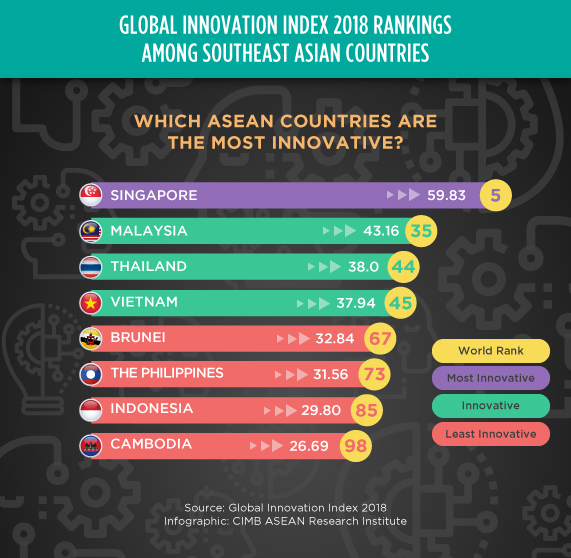
(16 September 2018) The Global Innovation Index 2018 report ranked Singapore as the most innovative nation in Asia. The report examines the energy innovation landscape and recognises potential breakthroughs in areas such as energy production, storage, distribution and consumption. In the report, Southeast Asia is ranked third globally in terms of innovation and Singapore is the best in the region with an index score of 59.83 and scored well in most of the indicators. Malaysia is the second best with a score of 43.16 as it showed progress in indicators such as Tertiary education, Knowledge diffusion, and Creative goods and services. Thailand is ranked third among the Southeast Asian countries with an index score 38.00 while Vietnam is the next in fourth with 37.94 followed by Brunei Darussalam (32.84), the Philippines (31.56), Indonesia (29.80) and Cambodia (26.69).

ASEAN

Manufacturing in ASEAN gains speed as China’s growth slows down
(20 September 2018) The Japan Centre for Economic Research reported that manufacturers in five key Southeast Asian countries such as Indonesia, Thailand, Malaysia, the Philippines and Singapore had increased production as rising labour costs in China have pushed firms to set up bases in the region. Based on the manufacturing production index data produced by the research centre, the year-on-year growth of five main Southeast Asian countries was at 6.2 per cent as a weighted average for the January-June period. China’s year-on-year growth was recorded was at 6.9 per cent. However, robust exports and domestic demand are improving the manufacturing sector in the region, and this situation could see the five key ASEAN nations going past China in manufacturing activity.

CAMBODIA

Report claims Cambodia as one of the four recent outperforming economies in Southeast Asia
(21 September 2018) Cambodia has been labelled as one of the fastest developing economies in Southeast Asian by global consulting company McKinsey and Company. Together with Laos, Myanmar and Vietnam, Cambodia has been one of the outperformers by achieving faster and consistent growth rate over other nations. According to the McKinsey report, seven markets exceeded its real annual per capita GDP growth of 3.5 per cent in a 50-year period, and the best performing regions are East and Southeast Asia. The increase is due to the significant economic achievements of seven long-term outperformers – China, Hong Kong, Indonesia, Malaysia, Singapore, South Korea and Thailand and recent outperformers. The report also states that recent outperformers such as Cambodia and Vietnam are still “work in progress” and will have to work on improving productivity, income and demand. The recent growth of outperformers is due to the development of pro-growth schemes across public and private sectors, which is meant to raise productivity, income and demand.

INDONESIA

New tariff duty by the U.S on China weakens Rupiah
(18 September 2018) Indonesia’s Central Bank reported that the drop in Rupiah values against the U.S dollar is due to the 10 per cent import tariff imposed by the U.S on Chinese goods. Its President Donald Trump announced that the U.S. would impose the duty beginning on September 24, 2018. Bank Indonesia’s (BI) Deputy Governor Dody Budi Waluyo reiterated that the central bank would intervene in a measured exchange rate. He said the central bank would hold a Board of Governors` Meeting (RDG) from September 26 to 27 to decide on a stabilisation policy. On September 18, BI fixed the middle rate at Rp14,908 per US dollar, down 49 points or 0.32 per cent from the position of Rp14,859 on September 17.

VIETNAM

Vietnamese seafood exports to ASEAN nations expected to hit US$1 billion
(12 September 2018) The ASEAN+3 Macroeconomic Research Office (AMRO) reported that Cambodia’s economy is expected to continue its robust growth momentum in 2018, aided by increased infrastructure activities, better prospects for garment manufacturing and better growth in tourism. Cambodia’s economy is expected to grow at 7.2 per cent in 2018, better than the 7 per cent in 2017, while inflation stays low and stable. A statement from AMRO noted that higher government spending because of increasing public investment and public sector salary would only boost growth in 2018. Cambodia’s external position is improving due to increased foreign direct investment (FDI) inflows, which covers the current account deficit. Cambodia’s overall balance remains in surplus, which has led to a rise in foreign reserves from US$6.7 billion in 2016 to US$8.8 billion in 2017.

MALAYSIA

Malaysia aims to power electricity using 20 per cent of renewable energy by 2030
(18 September 2018) The Malaysia government is aiming for 20 per cent of the country’s electricity to be produced from renewable energy by 2030. Currently, renewable sources power 18 per cent of Malaysia’s electricity. Minister of Energy, Science, Technology, Environment and Climate Change Yeo Bee Yin stated that her ministry is meeting stakeholders to ensure Malaysia’s grid can cater renewable source and review policies to meet the 2030 target. According to Yeo, programs such as future generation, which is part of Malaysia’s Electricity Supply Industry (ESI) transformation programme will ensure that the country moves forward and achieve its aim of 20 per cent of electricity from renewable energy.

SINGAPORE

Singapore is the second best city in Asia for tech firms to establish operations
(20 September 2018) Singapore has been rated as one of the best cities for technology firms to develop operations in Asia. According to a report by Colliers International, a global commercial real estate services firm, Singapore is the second best city among 16 other Asian cities. The rankings were made based on socio-economy, property and human factors. Singapore scored 63 per cent due to the country’s favourable talent pool, personal tax rates, safety and living standards. However, Singapore did not fare well in the property metrics indicator. Bangalore, India was the best city with a score of 68 per cent while Shenzhen, China was in third with a score of 61 per cent.

THAILAND

Thai government urges exporters to take advantage of AFTA
(19 September 2018) Thai companies are encouraged by Thailand’s Department of Free Trade to utilise the tax incentives given under the ASEAN Free Trade Agreement (AFTA). The department aims to raise the percentage of Thai firms tapping into AFTA tax incentives to 70 per cent in 2018. In 2017, the percentage was at 63.04 per cent. In 2015, the total value of Thai exports that made use of the AFTA tax incentives was at US$19.46 billion, and in 2017, it increased to US$23.8 billion. However, more Thai companies could potentially benefit from AFTA tax incentives as the total value of exports was US$37.76 billion in 2017.

THE PHILIPPINES

The Philippines’s balance of payments hits surplus for the first time in 2018
(20 September 2018) The Philippines’ Central Bank Bangko Sentral ng Pilipinas (BSP) said the country’s balance of payments (BOP) position reached a surplus for the first time in 2018. According to BSP’s data, the country’s BOP surplus was at US$1.272 billion in August. Last year, the BOP surplus in August was US$7 billion. The central bank also confirmed that the August 2018 BOP surplus was the largest monthly surplus since January 2013. The reason for its resurgence is due to net foreign currency deposits of the Philippines’ government and revenues from BSP’s overseas investments in August.

MYANMAR

Weakened Kyat value affects Myanmar’s economic and trade balance
(20 September 2018) Myanmar is experiencing and trade and economy imbalance because of its current account deficits as imports have surpassed exports. Also, the strengthening of US dollar since April has weakened the Kyat. Other factors that influence the exchange rate of Kyat are current account deficit, interest rates, inflation and economic prospects. Domestic factors also play a role in the exchange rates if a country has weak economic fundamentals and structural problems. Trade deficits have also depreciated the Kyat, and according to figures reported by Eleven Myanmar, the trade deficit was US$ 3.8 billion in the financial year of 2017- 18, US$ 5.2 billion in 2016-2017 and US$ 5.4 billion in 2015-2016.

Tan Sri Dr. Munir Majid shares his views on the ongoing trade conflict between the United States and China on BFM

Tan Sri Dr. Munir Majid shares his views on the ongoing trade conflict between the United States and China on BFM

img-bfm

Tan Sri Dr. Munir Majid, chairman of the CIMB ASEAN Research Institute (CARI) and CIMB Group Chief Economist Dr. Donald Hanna spoke to Malaysia radio station BFM on the escalating trade conflict between China and the U.S, what it means for economies around the world and the repercussions for Malaysia. They also discussed the prospect of ASEAN, and the ASEAN Economic Community, playing a role in combating a possible fallout from the trade war.

Click here if you are unable to play the podcast.

Malaysia: August 2018 consumer price inflation


HIGHLIGHTS

August 2018 consumer price inflation

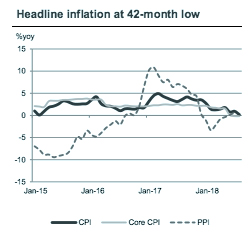
  • Inflation slipped to a 42-month low of 0.2% yoy in August, the last month of a tax holiday, before the SST came into effect on 1 September
  • The government’s efforts to insulate households from rising costs are likely to keep the inflation outlook muted at 1.0% in 2H18 and 1.3% in 2018.
  • We expect BNM to maintain the OPR at 3.25% until mid-2019F.

img-my20-1

Headline CPI inflation falls to 42-month low on tax holiday
Headline CPI inflation drifted lower to 0.2% yoy in August (CIMB: +0.4% yoy, Bloomberg consensus: +0.4% yoy, July: +0.9% yoy), likely marking the bottom before the implementation of the Sales and Services Tax (SST) on 1 September. Deflation in the core CPI remained at -0.2% yoy in August.

Short-term relief to consumers
The government’s priority of lowering households’ cost of living within the first 100 days of administration was reflected in weaker food inflation (meat, seafood, dairy products, vegetables and beverages) and price declines in clothing, utilities (electricity and sewage), household goods and equipment, motor vehicles and communication equipment & services. The prospect of temporary but significant cost savings brought forward consumer spending to 3Q18, as exhibited by a 27% increase in car sales in August.

Additional SST exemptions granted
Since the start of September, additional exemptions from SST have been granted, including for mobile prepaid services, premium seafood, rentals of small stalls and cigarettes sold in F&B shops with turnover below RM1.5m. The Ministry of Finance (MOF) has also reduced the SST on cameras and smartphones from 10% to 5%. Finance Minister Lim Guan Eng has stated that the SST list will continue to be reviewed until end-2018.

Policymakers to insulate households from impact of SST
The anticipated inflation pick up from September will be muted by 1) the narrower coverage of CPI basket under SST vs. GST, 2) government enforcement to clamp down on indiscriminate price hikes, 3) fixed retail RON95 and diesel prices, 4) lower sugar prices in September, 5) reactivation of the National Cost of Living Action Council, 6) postponement of container tariffs hikes to March 2019, and 7) continued efforts to reduce household costs, particularly in broadband services, transport and utilities (water and power).

Monetary policy to stay accommodative on benign inflation outlook
In our view, Malaysia’s inflation outlook should remain benign at 1.0% yoy in 2H18F, and 1.3% in 2018F. Hence, we expect BNM to maintain the Overnight Policy Rate (OPR) at 3.25% for an extended period until mid-2019F. The final MPC meeting for 2018 falls on 8 November.

img-my20-2

img-my20-3


Originally published by CIMB Research and Economics on 19 September 2018.

China-ASEAN Monitor


img-ca-290818.jpg

Prime Minister Hun Sen shakes hands with China’s First Vice-Premier Han Zheng at the China-ASEAN Expo in Nanning on Tuesday. HUN SEN VIA FACEBOOK


Economy, Investment and Trade

Chinese Vice Premier pushes ASEAN nations to reject trade protectionism
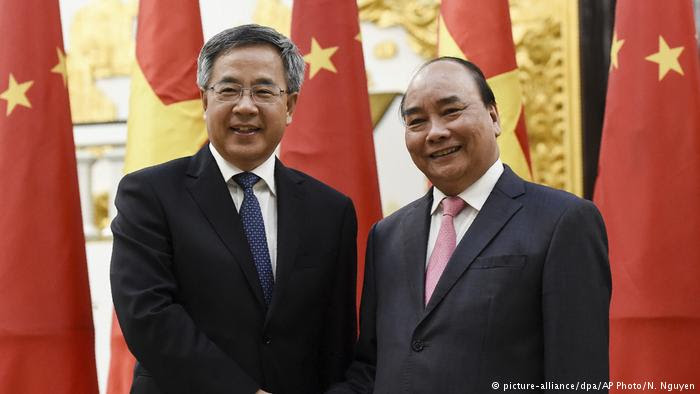
(13 September 2018) Chinese Vice Premier Hu Chunhua has urged ASEAN countries to push for [multilateralism] and reject protectionist and unilateral trade moves. Without mentioning which countries are pursuing protectionist measures, he said these nations are threatening rules-based multilateral trade and pose a severe hazard to the world economy during the World Economic Forum in Hanoi, Vietnam. The American administration led by President Donald Trump pressed tariffs on steel and aluminium on its key trading partners and also duties on US$50 billion in import from China, and it further escalated when the U.S and China imposed an additional $16 billion of tariffs on each other’s goods.
Read more>>

American companies in China are looking to move to Southeast Asia due to the trade war
(19 September 2018) According to a survey conducted by AmCham China and AmCham Shanghai, about one-third of more than 430 U.S. Companies in China are looking to move its factories due to the escalating trade conflict between China and the U.S. and Southeast Asia was the most preferred destination. The survey states that 18.5 per cent of American companies have or are considering to move its business to ASEAN nations. ASEAN countries are highly sought after for new factories due to its low production costs and ease of doing business. Bloomberg reported that growth of its five biggest countries is increasing at about 5.3 per cent on average.
Read more>>

Two transmission lines part of Laos National Grid Plan 2016-2020 completed by Chinese construction company
(16 September 2018) The construction of the 230 KV Thavieng S/S-Laksao S/S and 115 KV Nam Phay HPP-Thongkoun2 S/S Transmission Lines Project fulfils the National Grid Plan 2016-2020, which was introduced by the Laotian government. Laos’s Minister of Energy and Mines Khammany Inthirath said the transmission lines would provide electricity to the northern and central provinces of Laos. The project was completed by Chinese company NORINCO International Cooperation Ltd in collaboration with Laos’ state corporation, Electricite du Laos (EDL). The project also solidifies China-Laos economic cooperation and is also a part of the Belt and Road Initiative.
Read more>>

China-ASEAN e-commerce volume projected to increase by 50 per cent in 2018
(14 September 2018) China and ASEAN will see a rise in cross-border e-commerce trade volume by 50 per cent in 2018 due to trade facilitation. Director of the international trade research department under the aegis of the Academy of China Council for the Promotion of International Trade (CCPIT), Zhao Ping said the potential is vast as ASEAN nations have high demands toward high-value-added industrial products from China. According to a report by CCPIT Academy, investment in cross-border e-commerce trade between China, and ASEAN has been on the rise and one example is Alibaba Group Holding Ltd acquisition of Lazada Group, which is one the biggest e-commerce platforms in the Southeast Asian region. However, the report also states that there is room for improvement for China and ASEAN e-commerce trade. In a study done by the academy, most of the firms surveyed believe that development of e-commerce between both markets remains average and only 24.39 per cent of businesses said development was relatively satisfactory while 14.63 per cent said it was poor. Infrastructure construction needs to be improved in e-commerce trade as 22.22 per cent of companies reported that warehouse costs were high, while 38.89 per cent said logistics efficiency was low.
Read more>>

China and Singapore to improve bilateral cooperation and vow to protect multilateral trade system
(19 September 2018) China and Singapore will improve bilateral relations and will jointly protect the multilateral trade system. During a meeting in Singapore, Chinese Vice Premier Han Zheng and Singapore’s Deputy Prime Minister Teo Chee Hean agreed to promote the upcoming 14th China-Singapore Joint Council for Bilateral Cooperation (JCBC) meeting to enhance the Singapore-China bilateral Free Trade Agreement (FTA). Relations between China and Singapore have improved since China President Xi Jinping’s state visit to Singapore in 2015. Leaders from China and Singapore have worked together to fulfil some of the bilateral agreements and have also seen relations improving through the Belt and Road Initiative. Teo said Singapore is prepared to cooperate with China to safeguard open and rules-based multilateral trading system, which is being threatened by protectionist measures by some nations.
Read more>>


Mekong Monitor


IMG-MM-160818

Photo Credit: Bangkok Post


TRADE, ECONOMY, AND INVESTMENT


THAILAND

Thailand to play an important role in Southeast Asia’s digital development
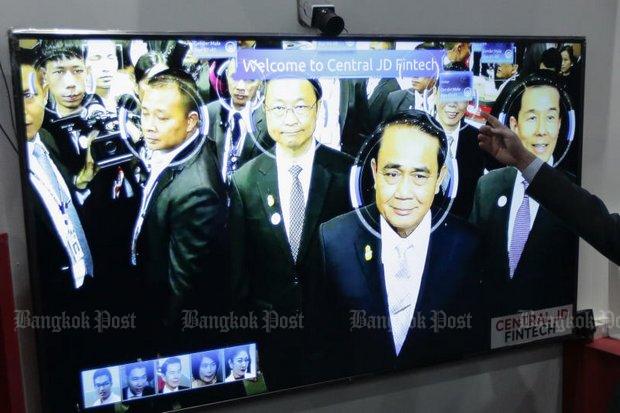
(20 September 2018) Thailand Prime Minister Prayut Chan-o-cha stated that Thailand would be prioritising digital development to help bring down inequality in Southeast Asia. Thailand will take over the ASEAN chair on 2019 and Prayut wants to strengthen the bloc by driving digital development in the region. He referred to IMD World Digital Competitiveness Ranking 2018 study by stating that Thailand’s digital competitiveness has improved from 41st in 2017 to 39th in 2018 but would rather see Thailand moving forward with its counterparts. According to the rankings, Malaysia’s ranking fell from 24th to 27th place while the Philippines dropped from 46th to 56th, whereas Indonesia also fell from 59th to 62nd while Singapore, which was ranked first in 2017 dropped to 2nd in the 2018 rankings. Digital technology is a core part of the Thai government’s 20-year national strategy and strengthening the digital sector would only enhance Thailand’s economy, production, trade, services and education, said Prayut.
Read more>>

THAILAND

More than 60 projects approved by the Thai cabinet for Eastern Economic Corridor (EEC)
(19 September 2018) Thailand’s cabinet has accepted more than 60 projects in the lower north, and upper northeast of the country and those investment schemes are part of the Eastern Economic Corridor (EEC) project. A spokesperson from the Thai cabinet said these projects are categorised into six development areas, which includes a plan to link Thailand’s economic corridor with Luang Phrabang in Laos, Indo-China, and Mawlamyine in Myanmar. Also, there are development plans such as logistics development, tourism and management of water resources. Funding for these projects will be deliberated later, said the spokesperson.
Read more>>

MYANMAR

Local retailers are not ready to face competition from foreign firms
(14 September 2018) Local retailers have grown weary over a move by Myanmar’s Ministry of Commerce to open up domestic retail and wholesale sector to foreign ownership. Local retailers believe that there should be restrictions placed on foreign companies that directly compete with local enterprises. According to Myanmar Retailers Association (MRA), the country has around 3 million small convenience stores, and some of the owners are not aware of the directive placed by MOC. Myanmar is currently grappling with the rising dollar-to-kyat exchange rate, and since MOC announced the liberalisation, The kyat has lost around 10 per cent of its value against the US dollar. The drop in kyat value impacts local manufacturers as it has had a profound impact on imported commodities and parts. MRA has urged the Myanmar government to assist vulnerable local retailers by providing financial assistance as they are not prepared to compete with foreign businesses.
Read more>>

CAMBODIA

American sanctions would only solidify Chinese influence in Cambodia, says AMCHAM Cambodia
(19 September 2018) Any sanctions against Cambodia by the United States administration would have “dire consequences” that could lead Cambodia to enhance trade and investment relations with China. According to the letter issued by the American Chamber of Commerce Cambodia to the U.S senators and representatives warns that sanctions or withdrawing from trade would only increase Chinese influence in the region and the U.S. cannot afford to lose its presence in Cambodia. The letter also cautioned any sanction on Cambodia’s garment industry would affect people at the bottom of the socioeconomic pyramid in the kingdom. On 25 July 2018, The US House of Representatives passed the “Cambodia Democracy Act of 2018”, which is a legislation that could impose sanctions against Cambodia.
Read more>>

VIETNAM

Vietnamese Prime Minister issues an order to enhance management of imported scrap
(18 September 2018) Vietnam’s Prime Minister Nguyễn Xuân Phúc signed an order urging for measures to improve the management of imports of waste as production material. He summoned the Ministry of Natural and Resources and Environment to stop issuing new scrap import certifications or to prolong the validation of existing certificates. The ministry would only consider granting the permit when the importer can justify the ability to use scrap in goods production. According to a report compiled by the Vietnamese General Department of Customs, the country imported more than two million tonnes of steel scrap, worth US$744 million in the first five months of 2018. During that period, the volume of imported plastic scrap increased almost 200 per cent over the entire figure for 2017.
Read more>>


mekong-monitor-map

About Greater Mekong Subregion (GMS)

The Greater Mekong Subregion (GMS) Economic Programme was launched by the Asian Development Bank in 1992 connecting five developing ASEAN countries, namely Cambodia, Laos, Myanmar, Vietnam and Thailand, and Chinese provinces of Yunnan and Guangxi Zhuang Autonomous region. The region has some of the most robust economies sharing the Mekong River Basin thanks to its reform and liberalisation. The subregion is growing at a faster pace than the whole of East Asia and the Asia Pacific as the GDP growth rate for 2017 was at 6.4 percent, according to the World Bank. The population at the subregion as of 2016 is at 340 million while the GDP at PPP is at US$3.1 trillion in 2016. In 2015, trading within the region was at US$444 billion.

CARI Captures 371

c370c_graphic


ASEAN

ASEAN heads agree to leverage the Fourth Industrial Revolution (4IR)
(13 September 2018) ASEAN leaders who attended the recent 2018 World Economic Forum on ASEAN in Hanoi have emphasised the significance of the Fourth Industrial Revolution (4IR) which can be used for socioeconomic growth and development in the region. Among others, Vietnamese Prime Minister Nguyen Xuan Phuc urged member states to step up the implementation of new technologies to impart innovation and values and build connectivity for sustainable development. Cambodian Prime Minister Hun Sen suggested that the bloc should improve quality of education and training, broaden skills and talents of labourers, stakeholders to look for solutions, starting new business models and strengthen regional connectivity capabilities. Laos’ Prime Minister Thongloun Sisoulith proposed for the region to inculcate innovation with high competitiveness, improve information and communication technology infrastructure, faster trade and investment movement, and narrow science and technology gaps among countries. Five ASEAN leaders Vietnamese Prime Minister Nguyen Xuan Phuc, Thai Deputy Prime Minister and Justice Minister Prajin Juntong, Myanmar’s State Counsellor Aung San Suu Kyi, Sisoulith and Hun Sen concurred that the region could no longer rely on natural resources and should diversify by embracing innovation, change and creativity for sustainable development.

VIETNAM

Foreign investors are going for more indirect investments in Vietnam
(8 September 2018) Indirect investments in Vietnam by foreign investors are on the rise as investments are made available through capital contribution and stake acquisition of local companies instead of pursuing direct investments. Vietnam’s Ministry of Planning and Investment’s Foreign Investment Agency (FIA) report noted that foreign investors carried out 4,551 transactions in the first eight months of 2018, to provide funds and purchase shares in local enterprises with a value of some US$5.3 billion an increase of 50.9 per cent from 2017. Investors from Thailand, Singapore, Japan and South Korea are the main contributors to the capital contribution and share purchase.

MYANMAR

Myanmar’s volatile exchange rate leads to inflation in the country
(12 September 2018) The depreciating Myanmar Kyat has seen food and commodity prices in the market increasing, especially electronic goods, import, fuels and technical equipment. Since 2 July 2018, the reference exchange rate set by the Central Bank of Myanmar (CBM) has increased by more than 9 per cent to K1,542 per U.S. dollar on September 11. Consequently, the price of petrol, which is heavily imported, has also risen by 10 to 15 per cent. According to experts, the value of Myanmar’s currency is reducing more than normal, while and prices of significant imports are increasing, which will impact the cost of local products. Vietnam’s Central Statistical Organization (CSO) reported that the annual inflation rate of Myanmar rose from 6.45 per cent in June to 7.56 per cent in July. The CSO acknowledged the critical factor for rising inflation is because of the high dollar exchange rate increases the price of imports.

LAOS

Laos continues to look at hydropower investments despite dam tragedy
(12 September 2018) The dam burst in Laos last July has led the Laos government to look into how the country will work on its hydropower investments. Laos’ Prime Minister Thongloun Sisoulith said his government had suspended approval of new dams and it would vet all dams under construction in the country. The move was taken after the collapse of part of a hydropower project in southern Attapeu province that had led to casualties and people losing homes. Sisoulith said the government would go through other options of renewable and clean energy generation such as solar and wind energy. In 2017, the country had 46 operating hydroelectric power plants, with 54 more planned or under construction, and sales of electricity are about 30 per cent of Laos’ exports.

CAMBODIA

Economic growth in Cambodia set to increase, says AMRO
(12 September 2018) The ASEAN+3 Macroeconomic Research Office (AMRO) reported that Cambodia’s economy is expected to continue its robust growth momentum in 2018, aided by increased infrastructure activities, better prospects for garment manufacturing and better growth in tourism. Cambodia’s economy is expected to grow at 7.2 per cent in 2018, better than the 7 per cent in 2017, while inflation stays low and stable. A statement from AMRO noted that higher government spending because of increasing public investment and public sector salary would only boost growth in 2018. Cambodia’s external position is improving due to increased foreign direct investment (FDI) inflows, which covers the current account deficit. Cambodia’s overall balance remains in surplus, which has led to a rise in foreign reserves from US$6.7 billion in 2016 to US$8.8 billion in 2017.

INDONESIA, VIETNAM

Indonesia and Vietnam aim for two-way trade to reach US$10 billion in 2020
(12 September 2018) Indonesian President Joko Widodo aims to see improved cooperation between Indonesia and Vietnam in the trade sector. In a joint statement with Vietnamese President Trần Đại Quang, he stated that in the last three years, trade between Vietnam and Indonesia reached US$6.8 billion and aims for trade to reach US$10 billion by 2020. One of the efforts to increase the trade value is to reduce trade barriers. Also, both countries will enhance cooperation in eradicating illegal fishing in their respective waters and agree to fast-track the settlement of the discussion of the Exclusive Economic Zone (EEZ) of Vietnam and Indonesia.

SINGAPORE

Singapore looks to attract more investments through a planned new bill
(11 September 2018) The introduction of the Variable Capital Company framework on 11 September 2018 is intended to make it easy for investment managers to register funds locally as Singapore is looking to tap into the vast US$69 trillion global asset-management industry. According to the Monetary Authority of Singapore (MAS), the new corporate structure bill will offer investors greater flexibility and can be utilised for both traditional and alternative strategies. The framework will enhance buffers by ensuring that assets and liabilities of each sub-fund is separated. It will also allow funds to apply both Singapore and international accounting standards.

MALAYSIA

Malaysia continues to support China’s Belt and Road Initiative (BRI)
(12 September 2018) Malaysia will not abandon the Belt and Road Initiative (BRI) and will work to improve Malaysia’s close relationship with China. Deputy Minister of International Trade and Industry Ong Kian Ming acknowledged the rumours of Malaysia leaving the initiative but said some had misconstrued the new government’s approach following the cancellation of some China-Malaysia projects. The deputy minister, who is in Nanning, China for the 15th China ASEAN Expo (CAEXPO) 2018 assured that Malaysia welcomes Chinese investment and the postponement of large-scale projects was to protect Malaysia’s financial position. He added that the initiative would only encourage more investment opportunities, especially from Malaysia.

THAILAND

Thailand will not increase policy interest rate for now
(12 September 2018) Thailand’s Finance Minister Apisak Tantivorawong assured that the country does not need to raise its policy interest rate for now as inflation is not at a harmful level. He added that the escalating trade war and government borrowing costs should be considered in determining the benchmark rate. Bank of Thailand’s key rate is at 1.50 per cent, which is near record lows since April 2015. The central bank will review the policy on 19 September 2018, when some experts predict that there will be a first rate hike since 2011.

THE PHILIPPINES

The Philippines President to sign executive order to reduce inflation
(13 September 2018) To reduce inflation in the Philippines, President Rodrigo Duterte is expected to sign an Executive Order (EO) to tame price hikes in the country. According to his spokesman Harry Roque Jr, the economic cluster group will hand in the EO draft to the Office of the President, and the order is expected to remove regulatory constraints and non-tariff barriers on the importation of fish rice sugar, meat and vegetables. Inflation was recorded at 6.4 per cent in August 2018, the highest since it came in at 6.6 per cent in March 2009. It exceeded Bangko Sentral ng Pilipinas (BSP) projection of 5.9 per cent and the Department of Finance’s forecast that it will settle at 5.88 per cent.

Mekong Monitor


IMG-MM-160818

Photo Credit: Hanoi Times


TRADE, ECONOMY, AND INVESTMENT


VIETNAM

Vietnam to develop e-commerce infrastructure
(10 September 2018) Vietnam’s e-commerce sector is growing at a fast pace, but according to the Director of the Ministry of Industry and Trade’s E-commerce and Digital Economy Agency Dang Hoang Hai, lagging infrastructures such as logistics, payment and e-invoice have led to 40 per cent of consumers complaining about poor service. According to international market analyst Euromonitor, with an annual growth rate of 30 per cent in the next five years, the Vietnamese e-commerce market will reach US$10 billion by 2020. The industry has the potential to grow due to the country’s young population, rising incomes, and increasing internet and mobile adoption. However, the market is still in its early stage of development and e-commerce companies have to deal with poor logistics infrastructure, high cash-on-delivery rates and lack of customer trust. Thus, the authorities will work on improving Vietnam’s e-commerce payment system and also consolidate secure payment solutions. Vietnam’s Ministry of Industry and Trade is working with agencies to apply the e-commerce payment system Keypay, which has proper facilities and harmonises with the conditions of Vietnamese firms.
Read more>>

THAILAND

Thailand Future Fund IPO set for October
(11 September 2018) The Thailand Future Fund (TFF) will be allocated to the public in the second week of October 2018, with at least 60 per cent of its units being given to retail investors. Thailand’s Finance Minister Apisak Tantivorawong indicated that the fund which is meant for infrastructure would raise US$1.48 billion from the initial public offering (IPO) and retail investors will be offered units before institutional investors. The IPO will be used to fund the building of the expressway connecting Rama III Road-Dao Khanong and the Western Outer Ring Road worth US$932 million, and the third stage of the northern highway linking the Kasetsart intersection and Nawamin Road, worth US$441 million.
Read more>>

LAOS, THAILAND

Thailand-Laos business matching conference would garner US$1.9 billion in trade
(9 September 2018) Thailand’s Ministry of Commerce reported that the recent Thai-Lao business matching conference would yield at least US$1.9 billion in two-way trade. The Commerce Minister Sontirat Sontijirawong noted about 90 Thailand and Laos business executives attended the 7th joint meeting between Thailand’s Ministry of Commerce and Lao PDR’s Ministry of Industry and Trade on September 5-6 in Vientiane, Laos. Some of the sectors involved in the trade partnerships are food and beverage, education, and infrastructure development. In the last decade, Laos’ annual GDP growth rates have been higher than 7 per cent, and growth in 2018 is estimated at 6.8 per cent.
Read more>>

LAOS

Laos aims to half import and export procedures by 2019
(5 September 2018) Laos is looking to simplify bureaucratic and administrative procedures for companies to obtain import or export licence by 2019. Director General of the Department of Import and Export in Lao Ministry of Industry and Commerce Soulinhon Philavong said the department together with the Trade Facilitation Secretariat and other sectors would reduce the number of processes, the time taken to apply, costs involved and documents currently required to acquire import or export licence by at least 50 per cent to enhance Laos’ international competitive rankings and World Bank’s Ease of Doing Business(EODB) rankings, particularly the “Trading across Borders” indicator. In a recent annual rating published by the World Bank, Laos was ranked 141 among 190 countries in the EODB rankings.
Read more>>

MEKONG

Civil societies urge MRC to delay regional forum
(11 September 2018) Civil societies in Cambodia have urged the Mekong River Commission (MRC) to postpone a regional forum to discuss the building of the Pak Lay hydropower dam in Laos. In a joint statement produced by the organisations, MRC was called to address outstanding concerns and issues regarding the Xayaburi, Don Sahong and Pak Beng hydropower dams in Laos. Concerns were raised over the standards and safeguards capabilities of the projects in Laos and the accountability of investors and contractors that need to thoroughly vetted before any further plans continue in the lower Mekong basin. The recent collapse of the Xe Pian Xe Namnoy hydropower dam triggered concerns as it resulted in massive casualties and people losing their homes in Laos and Cambodia. MRC said that talks could be done during the forum, which will be held from September 20 to 21, 2018 in Vientiane, Laos. In August, MRC commissioned a roadmap for the consultation process on the proposed dam in Laos.
Read more>>


mekong-monitor-map

About Greater Mekong Subregion (GMS)

The Greater Mekong Subregion (GMS) Economic Programme was launched by the Asian Development Bank in 1992 connecting five developing ASEAN countries, namely Cambodia, Laos, Myanmar, Vietnam and Thailand, and Chinese provinces of Yunnan and Guangxi Zhuang Autonomous region. The region has some of the most robust economies sharing the Mekong River Basin thanks to its reform and liberalisation. The subregion is growing at a faster pace than the whole of East Asia and the Asia Pacific as the GDP growth rate for 2017 was at 6.4 percent, according to the World Bank. The population at the subregion as of 2016 is at 340 million while the GDP at PPP is at US$3.1 trillion in 2016. In 2015, trading within the region was at US$444 billion.

China-ASEAN Monitor


img-ca-290818.jpg

Prime Minister Hun Sen shakes hands with China’s First Vice-Premier Han Zheng at the China-ASEAN Expo in Nanning on Tuesday. HUN SEN VIA FACEBOOK


Economy, Investment and Trade

Hun Sen commits to safeguarding Chinese interests in Cambodia
(9 September 2018) Cambodian Prime Minister Hun Sen assured Chinese firms in Cambodia not to worry about contract cancellation in the kingdom. He vowed that his government would protect the interest of Chinese companies. Hun Sen met executives from six Chinese conglomerates with interests in the Kingdom during a roundtable meeting in Nanning, China as co-chair of the China-ASEAN Expo. The premier also informed the executives that Cambodia has lots of untapped potentials, in which Chinese-based companies can look into and invest. The Cambodian government has also made proposals for additional concessional loans from China to boost the country’s infrastructure, which would connect Cambodia to other ASEAN nations and China.
Read more>>

China seals MoUs with Myanmar for China-Myanmar Economic Corridor (CMEC)
(10 September 2018) China sealed memorandums of understanding (MoU) with Myanmar on the establishment of the China-Myanmar Economic Corridor (CMEC). The signing of the MoUs signifies Myanmar’s readiness to be part of China’s Belt and Road Initiative. The corridor is a 1,700km long corridor that links Kunming, China with Myanmar’s three economic centres, which are Mandalay, Yangon New City and Kyaukpyu Special Economic Zone. According to the Global Times, CMEC is the biggest foreign investment in Myanmar in years.
Read more>>

Trade conflict between China and the U.S. is an opportunity for ASEAN to forge closer ties with China, says Singapore’s Deputy Prime Minister
(9 September 2018) ASEAN is looking to solidify trade relationship with China due to the escalating trade war between China and the United States. Singapore’s Deputy Prime Minister Teo Chee Hean proposed three areas for the bloc and China to enhance relations, namely improving commitment to an interconnected world, continue the commitment to free and open trade and hold firmly to rules-based international order. Some of the measures taken to fulfil those commitments are the establishment of the China-Singapore (Chongqing) Connectivity Southern Transport Corridor, improving the ASEAN-China Free Trade Area Agreement and adopting the ASEAN-China Strategic Partnership 2030 statement, which charts out a new guide for cooperation. China has been ASEAN’s top trading partner in the last eight years while ASEAN has been China’s number three trading partner for the past seven years.
Read more>>

Chinese investors show interest in setting up operations in Malaysia-China Kuantan Industrial Park
(11 September 2018) Two Chinese firms are keen to invest in Malaysia by setting up operations worth billions of ringgit in the Malaysia-China Kuantan Industrial Park (MCKIP). Malaysia’s Deputy International Trade and Industry Minister Ong Kian Ming who met the two Chinese conglomerates said the companies were in the final stage of getting approval from Malaysia. The firms plan to make Malaysia a platform to export products into the United States and other ASEAN nations. The deputy minister, who is in Nanning, China for the 15th China ASEAN Expo (CAEXPO) 2018 said China also welcomes Malaysian companies to invest in China and ties between both nations is on the right track after Prime Minister Tun Dr Mahathir Mohamad’s visit to China recently.
Read more>>

Cambodia an attractive location for fashion companies
(12 September 2018) Fashion companies are looking to move production to Cambodia due to the trade conflict between the United States and China. Some firms have revealed plans to shift production away from China to avoid tariffs and increasing labours costs. China Market Research Group managing director said it was first thought that the trade war would be short but it could last much longer and Cambodia will see more factories shifting from China. The U.S. imposed 25 per cent tariffs on US$50 billion worth of Chinese goods and its President Donald Trump recently threatened to increase tariffs on US$200 billion worth of Chinese products from 10 to 25 per cent. Goods affected include handbags, travel items and other accessories.
Read more>>