China-ASEAN Monitor


181207-ID-China-investment-1000

Photo credit: AFP


Economy, Investment and Trade

Indonesia seeks US$60 billion investment for Belt and Road infrastructure projects
(7 December 2018) Indonesia is “currently in the discussion stages” with China concerning electricity, energy and infrastructure projects in Sumatra, Sulawesi, Bali and Kalimantan. According to the Coordinating Ministry for Maritime Affairs, the projects, which will include power plants and industrial parks with manufacturing facilities, is worth as much as US$60 billion. The ministry expects the projects to not only boost Indonesia’s participation in China’s One Belt, One Road initiative but also help realize the country’s vision to be the global maritime fulcrum.
Read more>>

US-China trade war could significantly benefit Vietnam
(12 December 2018) Vietnam is poised to capture some of China’s global market share in labor-intensive manufacturing, according to a study on manufacturing destinations in emerging Asia. Vietnam was ranked first in the study which covered six other countries namely Philippines, India, Indonesia, Malaysia, Thailand and China. The analysis found that Vietnam has one of the largest labour forces in Southeast Asia — almost 13 million more than the Philippines and more than double than that in Malaysia. Further, production workers in Vietnam are paid an average of US$216 a month, less than half of what workers in China are paid. Vietnam’s government-subsidized electricity is also one of the region’s cheapest at US$0.07 per kilowatt hour, compared to US$0.10 per kilowatt hour in Indonesia and US$0.19 per kilowatt hour in the Philippines.
Read more>>

Myanmar-China border trade in focus
(7 December 2018) The early implementation of a border trade cooperation zone and the promotion of border trade and investment were discussed during a meeting between Myanmar’s commerce minister U Than Myint and Yunnan Province’s party secretary Chen Hao at a recent meeting. According to the commerce ministry, there are four major border trading points between Myanmar and China, i.e. the Muse, Lwejel, Kanpite Tee and Chin Shwehaw border trading points. These four border trade centres recorded a trade volume of US$3.3 billion between April and September this year, with the Muse alone accounting for US$3 billion. Further, Myanmar’s exports to China were valued at US$2.4 billion while imports were valued at US$900 million.
Read more>>

China-Vietnam border fair records US$695 million in transactions
(8 December 2018) The five-day 18th China-Vietnam Border Trade Fair held in China’s Yunnan Province concluded with a transaction volume of US$695 million — a 18.2% increase than that recorded in 2016 when the fair was also held in Hekou. The fair featured some 1,220 Chinese and Vietnamese vendors showcasing everything from electronics to agricultural products and furniture. The fair, which has been held since 2001 in either China’s Hekou or Vietnam’s Lao Cai, also attracted exhibitors from other countries including South Korea, Afghanistan, Egypt, Indonesia and Thailand.
Read more>>

China to assist Kazakh agro exports to Southeast Asia
(11 December 2018) Kazakhstan and China will create joint ventures to export Kazakh agricultural products to Southeast Asia through China. The announcement was made by Kazakh Prime Minister Bakytzhan Sagintayev, who further added that Kazakh exports which are not required for China could be shipped to Southeast Asia. Kazakhstan is one of many countries cooperating economically, politically and culturally to revive the Silk Road trade.
Read more>>


CARI Captures 383

c383_graphic


BRUNEI

Brunei Islamic finance sector up 3%, maintains spot in top 10 performing markets
(1 December 2018) Brunei’s Islamic banking assets grew 3% from US$10.9 billion in 2016 to US$11.2 billion in 2017, according to the Autoriti Monetari Brunei Darussalam (AMBD). Based on the Thomson Reuters Islamic Finance Development Report 2018, these assets account for 64% of Brunei’s total market share of assets, thus helping the country maintain its placing as one of the world’s top performing Islamic finance markets. Brunei’s Islamic Finance Development Indicator (IFDI) score increased from 47 to 50, placing it in ninth place out of 131 countries, second only behind Malaysia in ASEAN.

THAILAND-ASEAN

Trade department proposes 12 economic priorities for ASEAN chairmanship
(3 December 2018) Thailand’s Trade Negotiation Department presented 12 economic issues to be included during the country’s 2019 ASEAN Chairmanship at the ASEAN Senior Economic Officials’ Meeting (SEOM) held recently in Bangkok. The issues include the conclusion of the Regional Comprehensive Economic Partnership (RCEP) negotiations; human capital development for the fourth industrial revolution; promotion of micro, small and medium enterprises; expansion of the ASEAN Single Window Customs System to include all ASEAN Member States; development of sustainable fishery; regional capital market development; cooperation framework with ASEAN dialogue partners; ratification of the ASEAN-Hong Kong-China Free Trade Agreement; ratification of the ASEAN-Hong Kong-China Investment Agreement; ratification of the upgraded ASEAN-China Free Trade Agreement; and the ratification of the ASEAN-Japan Comprehensive Economic Partnership which includes agreements on trade, services, human migration and investment.

PHILIPPINES-ASEAN

SEC releases rules for ASEAN Capital Markets Forum Pass
(2 December 2018) The Philippines Securities and Exchange Commission (SEC) has published a set of proposed guidelines on the implementation of the ASEAN Capital Markets Forum (ACMF) Pass under the ASEAN Capital Market Professional Mobility Framework. The ACMF Pass, which has a two-year validity period, will allow recognized representatives from one home country to provide investment advisory services and issue research reports on financial products in participating ASEAN countries, i.e. Malaysia, Singapore, Thailand and the Philippines. The representatives can provide advice on shares, bonds and collective investment schemes.

JAPAN-ASEAN

Japanese megabanks bolstering services in Southeast Asia
(2 December 2018) Three of Japan’s largest banks — MUFG Bank, Mizuho Bank and Sumitomo Mitsui Banking Corp. (SMBC) — are increasing their services for local and Japan-affiliated companies in Southeast Asia amid forecasts that the US-China trade war will boost activity in the region. Mizuho Bank recently signed a memorandum of understanding with Thailand’s state-owned Export-Import (EXIM) Bank to help Thai companies expand their businesses in ASEAN. SMBC has increased its presence in Myanmar and Cambodia through investment outreach events held in collaboration with local authorities, and it also plans to grow its brand in Thailand by issuing baht-denominated bonds.

MALAYSIA

Government aims for 20% growth rate in the e-commerce industry in 2020
(4 December 2018) Malaysia is targeting an annual growth rate of 20% for its e-commerce industry in 2020, a 14.3% increase from 2017. The industry contributed US$20.64 billion to the country’s GDP in 2017 and it hopes to increase this to around US$24 billion in 2020. According to deputy trade and industry minister Dr. Ong Kian Ming, the government believes in the strength of the country’s digital economy and will continue to monitor e-commerce growth and development through implementing the National eCommerce Strategic Roadmap and National e-Commerce Council. Noting that there are only 5,000 small and medium-sized enterprises (SMEs) that are registered under Malaysia’s Digital Free Trade Zone (DFTZ), the deputy minister emphasized the need for greater participation in the DFTZ so as to ensure that the sector’s growth targets can be achieved.

MYANMAR

Foreign banks allowed to set rates for foreign currency-denominated loans
(4 December 2018) The Central Bank of Myanmar will allow foreign banks providing services in the country to determine their own interest rate as long as the loans are denominated in foreign currencies. Kyat loans, however, must be conducted according to local regulations and interest rates must not exceed 13%. This development comes after the central bank’s recent announcement of allowing foreign banks to provide loans and other trade-related banking services in both foreign currencies and kyat. The central bank also announced that foreign bank branches will be allowed to expand in 2019.

THAILAND

Online vendors may soon have to pay taxes
(5 December 2018) Thailand’s Revenue Department plans to start collecting taxes for goods and services sold online, as part of its effort to tackle tax evasion in transactions made through electronic money transfers. The move was approved in an amendment to the country’s Revenue Code which will require banks and other financial institutions to report to tax authorities on money transfers totalling more than 400 transactions per recipient per year and transfers exceeding US$ 61,050 per recipient per year. The Revenue Department said that it has had difficulty imposing taxes on online vendors as most vendors operate and accept payments virtually, making it difficult to follow up on tax collection.

CAMBODIA

Phnom Penh logistics trade hub in the works
(5 December 2018) The Cambodian Ministry of Public Works and Transportation announced at the recent 6th ASEAN Connectivity Forum in Seoul that plans are underway to build a trade logistics hub in Phnom Penh. The ministry’s director general said that feasibility studies to develop the Phnom Penh Logistics Complex will commence in early 2019, supported by the Asian Development Bank (ADB). The hub will act as a long-term logistics solution to facilitate movement of inbound and outbound freight in order to increase the country’s trade competitiveness and position Phnom Penh as a regional trade hub in ASEAN. Further, the hub will help reduce truck-related traffic congestion and help develop a more environmentally-friendly freight transportation system.

MYANMAR, CAMBODIA

EU tariffs on Myanmar, Cambodia rice unclear after undecisive EU vote
(5 December 2018) The European Union (EU) failed to arrive on a decisive vote (“qualified majority”) as to whether to impose tariffs on rice coming from Cambodia and Myanmar — a move proposed by the European Commission to curb the rise in imports in 2019. The Commission’s proposal was to set a duty of US$198.31 per tonne of rice in the first year, dropping to US$169.98 in the second and US$141.65 in the third year. The proposal is part of the trading bloc’s rice safeguard measures and is separate from its Everything But Arms scheme which provides both countries with preferential access to EU markets. In the absence of a clear vote by member countries, the Commission will make the final decision on the application of the safeguard measures.

INDONESIA

Indonesia prepared for economic uncertainties in 2019
(4 December 2018) Indonesian finance minister Sri Mulyani Indrawati is concerned that trade tensions between the US and China may still impact the country’s economy. Speaking at the CEO Networking 2018 discussion forum in Jakarta, the minister emphasized the need to both take advantage of, and prepare for downside risk after the 90-day trade war ceasefire. Further, in anticipation of continued economic uncertainties, the Indonesian finance ministry and central bank have established policies to bolster the country’s resilience in 2019. These policies include maintaining the 2019 state budget deficit at 1.84% of GDP, maximizing its US$168.48 billion budget for government spending, and using tax-based business incentives. Meanwhile, Bank Indonesia will work to ensure that the financial sector has sufficient liquidity for business expansion, to deepen the financial market by developing domestic non-deliverable forward (DNDF) transactions and undertaking swap agreements, as well as to continue to relax housing down payments through its loan-to-value policy to boost the property sector.

Asean-China: Get Closer on BRI

Asean-China: Get Closer on BRI
Originally published in TheEdge Malaysia, 10 – 16 December 2018 edition.
img-tsmm-theedge-121218

At last month’s Asean and Asean Plus summits in Singapore, the Asean-China Strategic Partnership Vision 2030 was adopted. After becoming the first country to have a strategic partnership with Asean in 2003, China now takes its relationship with the grouping a notch higher. A particular emphasis reiterates the target of achieving US$1 trillion in trade and US$150 billion in investments by 2020 “through deepening of economic linkages and improvement in connectivity.”

There was reference in the overall objectives of Vision 2030 to synergising the common priorities of China’s Belt and Road Initiative (BRI) and the Masterplan for Asean Connectivity (MPAC) 2025. While this is a good reference, Asean should work on this point assiduously to ensure the synergy results in sustainable infrastructure development.

The BRI has hit a rough patch. According to one estimate, of 1814 BRI projects in 78 countries, 270 have either been cancelled, stalled or lapsed. While this is a 15% failure rate, in value terms it is even higher – 32%.

Some high profile project failures include the Hambantota port in Sri Lanka where debt default in 2017 resulted in China obtaining absolute control of 69 acres of the port area through a 99-year lease. This has been seen as a serious loss of sovereignty.

Pakistan is weighed down by huge debts particularly of BRI projects and has been trying to postpone or scrap entirely the Karachi-Peshawar railway project. Awards of projects, even in Europe, such as the Budapest to Belgrade railway link, are being investigated.

In 2014 the Yangon to Mandalay Railway Project was allowed to lapse because of protests by the populace. The Jakarta-Bandung High Speed Rail Project is stalled because of land problems. In Laos the Vientiane-Kunming Rail Link is to cost US$6 billion – about 40% of the country’s GDP. Can the country afford it without sinking into a debt trap which would cause Laos to lose its ability for self-rule.

Of course in Malaysia we now know of the highly suspicious arrangement of monies paid to Chinese contractors based on a fixed timetable and not for work done in the East Coast Rail Link and the Sabah gas pipelines projects which has the hallmark of sinister corrupt practice.

All this points to something seriously wrong at the heart of BRI projects. Between offeror and offeree, an outcome seems to be conspired, which has very little to do with infrastructure development for the economic development of the particular country, but is instead directed at making money against its future.

Indeed in this situation conspiracy theories begin to take root, including the BRI being China’s grand sign to dominate the world by making countries beholden to Beijing, especially financially. One analysis of 78 most risky economies involved in the BRI estimates on a scale of 1 to 7, a score of 5.2 (a score of 7 being the most risky). The risk factor for the average emerging market is 3.5.

So, are the more susceptible countries being targeted to consign them to a debt trap which would place them under China’s control? US Vice-President Mike Pence fulminated about this at the APEC meeting in Papua New Guinea which followed the Asean summits in Singapore. Do not touch the BRI, he said. But what does America have to offer to fulfil the infrastructure needs of developing – Asean – countries which are not able to get sufficient financing from multilateral institutions or from countries like the United States.

A report by CIMB ASEAN Research Institute (CARI) and LSE IDEAS (Centre for International Affairs, Diplomacy and Strategy) finds that if truly collaborative the BRI can work for all (Tan Sri Dr. Munir Majid and Dr. Yu Jie eds, China’s Belt and Road Initiative (BRI) and Southeast Asia, October 2018).

Without eschewing the geopolitical implications and risks, the report finds there will be much good coming from the BRI if the excesses and corruption attending to it can be excised. This is an initiative for connectivity unmatched in living memory which should not be allowed to go down the drain. There can be tighter control and collaboration to make it succeed.

The report notes Asean member states do not have an adversarial attitude towards the BRI based on China’s global intentions and geopolitical calculation. They are not swayed by the argument and narrative about China’s grand design to dominate the world through the BRI.

Nevertheless, there has been opposition to BRI projects as a result of the fear of being buried under Chinese debt, of losing sovereign rights in dealing with Chinese companies, of unfair financial and contract terms, and of limited participation by locals in project implementation.

This is where the Asean-China Strategic Partnership Vision 2030, with respect to its references to the BRI, could be made to work for the region in collaboration with China. It is important to demonstrate BRI success in our region if it is to get buy-in elsewhere.

The synergies between BRI and MPAC 2025 should be addressed by a working group set up to secure this success and to arrest the failings that have become evident, which can be constructed as attempts by adventurers to extract narrow (but deep) benefit for themselves without regard to common and wider interests.

The Vision 2030 document talks about the need to “strengthen anti-corruption through relevant mechanisms.” It cannot be left hanging just like that. The working group should work on a “mechanism” to keep corruption at bay. Rooting out corruption is one of the central planks of Xi Jinping’s national Policy; it should be brought to bear to the initiative he first announced in 2013.

ASEAN’s own MPAC 2025 refers to five principles that should underpin the Master Plan – sustainable infrastructure, digital innovation, seamless logistics, regulatory excellence and people mobility. Two of them particularly should be brought to the BRI table – regulatory excellence and sustainable infrastructure.

While particular details on specific projects obviously have to be left to each country, high level guiding principles must attend to them to protect that country from self-harm. Future generations have to be protected even as leaders who come and go may want to play hard and fast.

Singapore signed a memorandum of understanding with China in April for collaboration between companies from the two countries in BRI projects. With its good financial and legal infrastructure, Singapore could help ensure sustainable agreements. Indeed, Singapore could share its expertise and capability within the effort to synergise the BRI with MPAC 2025 as outlined in the Asean-China Strategic Partnership Vision 2030.

There is a huge challenge for Asean and China to make the so many words in Vision 2030 a reality on the ground with regard to making a success of the BRI – indeed of regional infrastructure development from whatever source.

It is with China however that the greatest challenges and opportunities lie.

It would be interesting to note if Asean can work together, and with China, to achieve positive outcome, on which all are agreed, even as it could not, on the South China Sea disputes, because of different interests. If Asean cannot work together when there is common interest and purpose, there really will be not much point in investing too much hope in the regional grouping.

Asean has to stand up and deliver. It can participate in the BRI not only by receiving but also by giving, in offering regional perspectives, advisory services and legal frameworks. In this way, many of the BRI project problems that have surfaced can be avoided – and the BRI can be seen as a not totally China dominated enterprise – something Beijing has so often said.

Mekong Monitor


ekxdh4j0

Photo credit: Reuters


TRADE, ECONOMY, AND INVESTMENT


CAMBODIA, THAILAND

First nine months of Cambodia-Thailand trade in 2018 surpassed that of the entire 2017
(4 December 2018) Trade between Cambodia and Thailand in the first nine months of 2018 amounted to US$7 billion, exceeding the trade volume between the two countries for the whole of 2017. Speaking at a meeting to celebrate Thailand’s National Day, Cambodian commerce minister Pan Sorasak said that the figure reflects the bilateral trade commitment to reach US$15 billion by 2020. In connection with this, the Thai ambassador in Phnom Penh expressed that Thailand will continue to improve procedures at the Thai-Cambodian border to facilitate cross-border trade. A new working group has been recently established to bring together officials from both countries every three months to address and monitor trade issues.
Read more>>

VIETNAM

Investment capital for Mekong Delta province increases
(3 December 2018) The Mekong Delta province of An Giang has attracted 78 projects in the first 10 months of 2018, with a total registered capital of US$1.06 billion. According to the province’s Department of Planning and Investment, this figure represents a year-on-year increase of 6.85% in number of projects and 2.97% increase in registered capital. Since the start of 2016, the province has attracted 211 projects with a total registered capital of US$1.9 billion. Projects are mainly in the agriculture, urban infrastructure, trade services, education, health, culture, sports and tourism sectors. Part of the Mekong Delta rice basket, An Giang is located west of the Mekong Delta and shares a 100km border with Cambodia in the northwest.
Read more>>

MYANMAR, THAILAND

Construction of India-Myanmar-Thailand trilateral highway in progress
(29 November 2018) The 1,360 kilometres long trilateral highway connecting northeast India to Thailand via Myanmar is expected to be completed in a few years. According to the Indian Ministry of External Affairs, the highway can only be meaningfully utilized upon the finalization of the India-Myanmar-Thailand Motor Vehicle Agreement which facilitates seamless movement of passenger, personal and cargo vehicles along roads linking the three countries. Further, the government is exploring the possibility of extending the highway to other countries to boost trade in the ASEAN-India Free Trade Area.
Read more>>

MEKONG

Germany, EU roll out funding to boost lower Mekong projects
(30 November 2018) Germany and the EU have approved new grants worth US$10.15 million for the Mekong River Commission (MRC) to facilitate cross-water cooperation between Cambodia, Laos, Thailand and Vietnam. The first grant provided by Germany covers a three-year period starting in 2019, with much of the funding going to two Cambodia-Laos and Cambodia-Thailand transboundary projects to study methods to better utilize Mekong basin resources and address flood and drought issues. Part of the funds will also be used to implement overall activities under the MRC’s 2016-2020 strategic plan. The second grant from the EU will fund the implementation of the strategic plan for a two-year period with a focus on promoting and coordinating sustainable development and management of the Mekong river water and related resources in the four lower Mekong countries.
Read more>>

MYANMAR, THAILAND

Thai loan provided to develop Mekong corridor towns
(30 November 2018) Thailand’s Neighboring Countries Economic Development Cooperation Agency (NEDA) will provide Myanmar with a US$24.3 million loan for the Greater Mekong Subregion (GMS) East-West Economic Corridor towns development project. The loan, sought by the Myanmar Ministry of Construction and Kayin state government, will be used for capacity building purposes in Myawaddy in Kayin state, as well as for upgrading its water distribution and waste disposal systems. According to the Myanmar planning and finance minister U Maung Maung Win, the Myawaddy township is a crucial border area for trade between Myanmar and Thailand.
Read more>>


mekong-monitor-map

About Greater Mekong Subregion (GMS)

The Greater Mekong Subregion (GMS) Economic Programme was launched by the Asian Development Bank in 1992 connecting five developing ASEAN countries, namely Cambodia, Laos, Myanmar, Vietnam and Thailand, and Chinese provinces of Yunnan and Guangxi Zhuang Autonomous region. The region has some of the most robust economies sharing the Mekong River Basin thanks to its reform and liberalisation. The subregion is growing at a faster pace than the whole of East Asia and the Asia Pacific as the GDP growth rate for 2017 was at 6.4 percent, according to the World Bank. The population at the subregion as of 2016 is at 340 million while the GDP at PPP is at US$3.1 trillion in 2016. In 2015, trading within the region was at US$444 billion.

China-ASEAN Monitor


img-ca-51218

Photo credit: Xinhua


Economy, Investment and Trade

Rail-sea routes help ASEAN goods extend reach in China
(2 December 2018) Southeast Asian commodities have benefited from the over 700 China-ASEAN rail-sea routes connecting traders from the region to Chinese cities over the past year, according to rail and port authorities in Guangxi Zhuang Autonomous Region. The route network, which includes the new International Land-Sea Trade Corridor (ILSTC), connects major ASEAN cities with China including the recently-linked inland cities such as Chongqing, Chengdu, Kunming, Lanzhou and Guiyang. According to the China Railway Nanning Group, there are presently 41 diverse categories of commodities being transported on these routes including ceramics and sheet materials, powdered milk and coconut milk.
Read more>>

SGX launches ‘world’s first’ high-grade iron ore derivatives in tie-up to develop Belt and Road-related indices
(3 December 2018) The Singapore Exchange (SGX) recently launched a set of high-grade iron ore derivatives to meet the growing demand for new risk management tools, especially with China increasing its use of premium iron ore for steelmaking as it aims to pursue environmentally-friendly economic growth. SGX touted the derivatives as first-of-its-kind in the world and said that the initiative will provide investors with a platform to trade grade differentials and manage widening basis risks. Further, the high-grade contracts will provide access tools to bridge domestic pricing in China—iron ore’s most important market—to an international benchmark. Earlier, the SGX announced a partnership with Nanhua Futures, a China-headquartered financial derivatives services platform, to develop indices representative of China’s Belt and Road Initiative (BRI). With this partnership, SGX’s index business SGX Index Edge will work with Nanhua Futures’ subsidiary Nanhua Fund to identify the types of indices and respective methodologies that would be of interest to Chinese and international investors.
Read more>>

China doubles down on Belt and Road collaboration in Myanmar
(30 November 2018) China reaffirmed its commitment to the China-Myanmar Economic Corridor (CMEC) during a visit by the vice chair of China’s National Development and Reform Commission (NDRC) to Myanmar. The CMEC, which stretches from China’s Yunnan to Myanmar’s Yangon and Kyaukphyu region, involves locations that are key to bilateral trade and investment. According to the Chinese embassy in Yangon, Myanmar has created a Belt and Road implementation steering committee chaired by the state counselor and includes chief ministers from sub-national governments as well as representatives from other departments. China is Myanmar’s biggest foreign investor in terms of approved FDI.
Read more>>

China increases investment in Indonesia’s battery sector
(30 November 2018) Construction on a US$4 billion lithium battery plant on the island of Sulawesi will commence on 11 January 2019, according to Indonesian coordinating maritime minister Luhut Pandjaitan. The project is backed by unnamed investors from China, Japan and South Korea. This comes as Indonesia looks to tap its large nickel laterite ore reserves to become a key player in lithium batteries. Chinese battery firm GEM Co Ltd announced in September that it was collaborating with four other companies to invest a total of US$700 million to develop facilities to produce battery-grade nickel chemicals in Morowali. Tsingshan Holding Group which is Indonesia’s biggest nickel producer, announced in August that it was mustering investors for a nickel sulphate plant in a US$10 billion industrial park on the Halmahera island.
Read more>>

Chinese investment in Cambodia to diversify into SME financing
(4 December 2018) Cambodia can expect Chinese investment in its microlending sector in the near future, according to Peter Wong, Southeast Asia and South Asia regional director of the Hong Kong Trade Development Council (HKTDC). China-based banks currently operating in Cambodia include the Industrial and Commercial Bank of China, Bank of China as well as microfinance lender Prince Microfinance. According to Wong, Cambodia is an important country under the BRI, and more trade opportunities will emerge between Cambodia and mainland China, with Hong Kong serving as a platform for professional services and a financial centre for investment. He also noted the increase in Chinese investment in Cambodia and foresees that many manufacturers will relocate to Cambodia amidst rising labour and operational costs in China. According to the HKTDC, Hong Kong is Cambodia’s second largest source of foreign direct investment with investment totalling US$347 million in 2017, and ASEAN countries can expect even greater exchange when the ASEAN-Hong Kong free trade agreement comes into force in January 2019.
Read more>>


ASEAN Roundtable Series: Making BRI inclusive – are there opportunities for all?

Published on 4 December 2018

img-text-cariviewpoint14


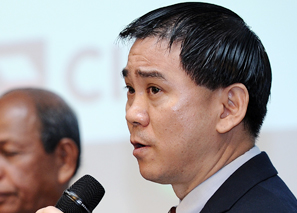
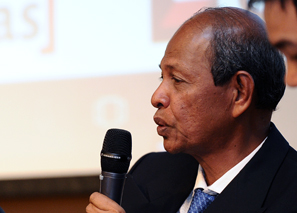
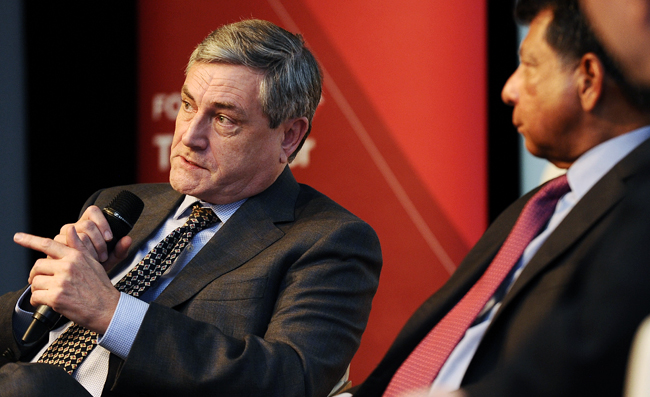
img-text-speakers.jpg

Pauline Loong

Pauline Loong

Senior Fellow, CIMB ASEAN Research Institute

Read more

Pauline Loong is the managing director of the Hong Kong-based research consultancy Asia-analytica. She is also a Senior Fellow of CIMB ASEAN Research Institute. She has earned an outstanding reputation as among the best-informed analysts of China’s political economy. She authors the well-known “Loong on China” newsletter which has won accolades for its perceptiveness as well as its meticulous research and reliability.

Her distinguished career includes her role as senior vice-president and China risk analyst at CIMB Securities. She was responsible for alerting clients to the changing dynamics shaping China in the 21st century and what they mean for investment decisions.

Previously, she had been a director at Jardine Fleming (now part of JPMorgan) where she headed its China department. She also served as head of research at Jardine Fleming China, a venture backed by the World Bank’s International Financing Corp.

At Jardine Fleming, she successfully guided clients through the most tumultuous decade in modern Chinese history: the Tiananmen Square crackdown in 1989, the death of Deng Xiaoping and the highly confrontational run-up to Hong Kong’s handover to Beijing in 1997.

Ms Loong’s Chinese Mainland connections are impressive and have been developed during three decades of close personal involvement in China’s economy – both as a market player and as a journalistic observer. Her Mainland experience, as well as her expertise, led to an executive position with CITIC Resources as it was developing its offshore business.

The foundations of her Beijing relationships had been laid when she had been among the first foreign correspondents in China in the 1980s as assistant editor of the Far Eastern Economic Review and Editor of its authoritative China Trade Report. In the early 2000s, she had extensive access to top policy circles in Beijing after her appointment as Editor-in-Chief of Euromoney’s stable of financial magazines in Asia.

Ms Loong’s awards include being voted “Best China analyst” in 1993 (representing Jardine Fleming) and being again ranked among the best analysts in 2007 (representing CIMB) in two global polls of fund managers by Asiamoney. She won Euromoney’s “Best Stories Award” in 2000 for her analysis on Asia’s growing hedge fund industry and in 2003 on the takeover of Jardine Fleming by Chase.

She graduated in English Literature from the University of Hong Kong. She was nominated by Jardine Matheson to undertake course studies on socialist economics and the Chinese political system at Peking University and at Tsinghua University in 1997.

Prof. Coker

Professor Christopher Coker

Director, LSE IDEAS

Read more

Christopher Coker is a Professor of International Relations at the London School of Economics and former Head of Department. He is also Director, LSE IDEAS. He has been a Visiting Guest Scholar at the National Institute for Defence Studies (Tokyo); Visiting Fellow at the Rajaratnam School of International Studies, Singapore; Visiting Fellow at the Institute of Security and International Studies, Chulalongkorn University, Bangkok; Visiting Fellow at the Norwegian Staff College; and is at present Visiting Fellow at the Swedish National Defence College.

He was a NATO Fellow in 1981. He served two terms on the Council of the Royal United Services Institute. He was a serving member of the Washington Strategy Seminar; the Black Sea University Foundation; the Moscow School of Politics and the Academic Board of the Czech Diplomatic Academy. He is at present on the Advisory Board of the Brenthurst Foundation (Johannesburg). He was a Visiting Fellow of Goodenough College in 2003-4. He is a former editor of The Atlantic Quarterly and The European Security Analyst. Professor Coker has published extensively on war and conflict. His next book, The Rise of the Civilizational State will be published in January 2019.


Dr. Tang Siew Mun

Dr. Tang Siew Mun

Head of ASEAN Studies Centre, ISEAS-Yusof Ishak Institute

Read more

Dr. Tang Siew Mun is the Head of the ASEAN Studies Centre and concurrently a Senior Fellow at the Regional Strategic and Political Studies programme at the ISEAS-Yusof Ishak Institute. His primary research interests are Asian security, ASEAN’s relations with the major powers and Japanese foreign policy. Prior to joining ISEAS, he was Director for Foreign Policy and Security Studies at the Institute of Strategic and International Studies (ISIS), Malaysia and Senior Lecturer at the Universiti Kebangsaan Malaysia. He has contributed to numerous book chapters and op-ed pieces in addition to national and international journals. Tang holds a B.A (Hons.) from the National University of Malaysia, a MA in War Studies from King’s College London, a MA in International Studies from the Claremont Graduate University and a Ph.D. from Arizona State University in Political Science.

Dato’ Abdul Majid Khan

Dato’ Abdul Majid Khan

President, Malaysia-China Friendship Association

Read more

Dato’ Abdul Majid is currently the President of the Malaysia-China Friendship Association (PPMC) and Exco Member of the Malaysia-China Business Council. He obtained a Bachelors degree in Economics (Honours) from University of Malaya. In his thirty-four years of service with the Government, he served in the Prime Minister’s Department and the Ministry of Foreign Affairs as well as in several missions abroad (Vietnam, Laos, China, USA and Nigeria). He has also held senior positions in the Ministry of Foreign Affairs. He also acted as the Under Secretary of West Asia and the Organisation of Islamic Cooperation (OIC) and has participated in several Ministerial and Prime Ministerial visits to West Asian Countries and OIC Meetings. During his tenure as the Director General of ASEAN, he actively participated in the organisation of the 30th ASEAN Ministerial Meeting held in Kuala Lumpur as well as the ASEAN Head of Summit and the 10+3 Summit Meetings in Malaysia. In 1998, he was appointed as the Ambassador of Malaysia to the People’s Republic of China and concurrently accredited to the Democratic People’s Republic of Korea until his retirement on 2nd January, 2005. Post-retirement, he continues to actively participate in various conferences and seminars dealing with the subject of China’s Economic Development and ASEAN. He sits on the board of directors of several companies, both listed and private.


Chair

Tan Sri Dr. Munir Majid

Tan Sri Dr. Munir Majid

Chairman, CIMB ASEAN Research Institute President, ASEAN Business Club

Read more

Tan Sri Dr. Munir is currently Chairman of CIMB ASEAN Research Institute, of Bank Muamalat Malaysia Berhad, of the Financial Services Professional Board, of ASEAN Business Advisory Council, Malaysia, as well as President of the ASEAN Business Club. He also sits on the board of the Institute of Strategic and International Studies (ISIS) Malaysia. He is an active advocate of deeper ASEAN economic integration.

He has an extensive experience and is well known in the Malaysian corporate world. He had been the Group Editor of the New Straits Times, first executive chairman of CIMB and founding chairman of the Malaysian Securities Commission. After stepping down from the Securities Commission in 1999, he became Independent Non-Executive Director of Telekom Malaysia Berhad, Chairman of Celcom (Malaysia) Berhad and Non-Executive Chairman of Malaysian Airline System Berhad. He was Founder President of the Kuala Lumpur Business Club, established in 2003 and is a member of the Court of Fellows of the Malaysian Institute of Management.

Tan Sri Dr. Munir obtained a B.Sc (Econ) and Ph.D in International Relations from the London School of Economic and Political Science (LSE) in 1971 and 1978. He is an Honorary Fellow of LSE and continues the long association with his alma mater as Visiting Senior Fellow at LSE IDEAS (Centre of International Affairs, Diplomacy and Strategy). Tan Sri Dr. Munir is an associate of Southeast Asia Centre (SEAC) at LSE.


The Roundtable took place in conjunction with the launch of “China’s Belt and Road Initiative (BRI) and Southeast Asia”, a joint publication by CARI and LSE IDEAS. The publication was launched by Dato’ Seri Mohamed Azmin Ali, Minister of Economic Affairs, Malaysia who affirmed the country’s shared vision for the BRI project as a road for peace.

There was broad consensus among the panellists that the BRI’s grand ambition of enhancing infrastructure, investment and connectivity is “unmatched in human history” and is needed to fulfil the infrastructure needs of ASEAN. However, five years on, concerns are being raised about the implementation of BRI projects in light of what appears to be lopsided financing arrangements, ballooning debt and concerns over subsumed sovereign rights.


BRI’s challenges – 5 years later

Tan Sri Dr. Munir, Chairman of CIMB ASEAN Research Institute (CARI) kicked off the discussion by posing the question as to why in value terms, 32% of BRI projects which typically involve railway projects, have run into problems. 270 of the 1814 BRI projects spanning from Pakistan to Myanmar and even in Malaysia are either being reviewed, cancelled or have run into implementation problems.

Professor Christopher Coker, Director of LSE IDEAS, pointed out that the reality of implementing mega projects such as the BRI is that they often go over time and over budget. “People rushed into this in 2014 with great expectations, it was the biggest project of its kind” he commented. Dato’ Abdul Majid Khan, President of the Malaysia-China Friendship Association added that implementation and governance issues such as the lack of local participation, transparency as well as insensitivity to local cultures played a bigger role in creating implementation bottlenecks, though not completely intentional. “The Chinese thought they can duplicate the success in China in all these countries. They have now realised a 100% Chinese model does not work”.

Pauline Loong, Senior Fellow at CIMB ASEAN Research Institute provided a contrarian view and cited that the slowdown in the roll-out of BRI projects by China is not due to project failures but to a slowdown of its economy, a situation made worse with the ongoing trade war with the US. “Funding has been the most important part of BRI projects – and China had the money to invest. But China is in a different place now versus where it was 10 years ago,” she commented. China has several key economic structural problems to address domestically, making it the worst time to be engaged in a trade war as its economy is dependant on US trade, where 60% of its trade surplus comes from the US. Despite such challenges, her outlook was that “The show will go on. The BRI will go on but there will be no free lunch.” She cautioned countries to study the details of cross-jurisdictional business contracts carefully.


Noble intentions lost in implementation

Despite the challenges, members of the panel were quick to contextualise that the motivation behind the formation of the BRI is China’s sincere efforts to use its own positive experiences to drive development elsewhere. “China has no sinister plans of imposing debt on countries. In fact, there is a brotherhood of countries that are going through development as China once did” said Dr. Tang Siew Mun, head of ASEAN Studies Centre and ISEAS-Yusof Ishak Institute. Abdul Majid added that from China’s perspective, the BRI represents a national mission which allows for the sharing of wealth and infrastructure development with those whom they think needs it the most:“It is ingrained into the Chinese Communist Party constitution”.

There was a consensus that complications could arise since the implementation of BRI projects involved various stakeholders with different perspectives on how BRI projects should be rolled out. For example, Abdul Majid commented that State Owned Enterprises (SOEs) value projects by solely optimising their return on investment instead of striving to enlarge the economic pie which would be more in line with the ethos of spreading the wealth. To illustrate further, Christopher Coker added that “9 different agencies handle BRI projects and many are competing against each other.”

Dr. Tang pointed out that China has been filling the gap to bank unbankable projects i.e., projects which would not be considered for financing by the IMF and commercial institutions. Thus, it is inevitable that the model to make BRI projects workable, would be complex and difficult. Nonetheless, if done right, the BRI could initiate critical infrastructure to spur development in places where it is most needed.


Opportunities and the way forward

“There are still opportunities. But China will rearrange its priorities on how to approach projects in ASEAN” said Pauline Loong. She cited the project beneficiaries’ willingness to accept the renminbi as a medium of transaction, contribution to funding and geopolitical reorientation as Beijing’s priority areas in assessing the suitability for engaging in joint projects. Abdul Majid also added that the reassessment of financing of BRI projects will be key. He commented that China is aware that the existing financing model was too burdensome in some countries. His view was that China is considering the Japanese model of providing soft loans for a shorter period of time.

While China is already repositioning its priorities, Dr. Tang commented that BRI countries need to wake up and own its engagement with China and BRI projects. “We need to be the bosses of BRI projects, we need to take control and ensure it’s a win-win situation”. On the same note, Christopher Croker highlighted the need for an ASEAN strategy that complements China’s, not only on the BRI front but concerning wider geopolitical issues too.

The need for ASEAN to strengthen its collective stance concerning BRI projects was also echoed by Tan Sri Munir. He had earlier proposed in his opening remarks for the setting up of a high-level task force to facilitate closer collaboration between ASEAN and China to ensure that implementation of BRI projects followed a set of mutually agreed principles. He added that inspiration for such principles could come from the existing Master Plan on ASEAN Connectivity 2025 (MPAC 2025). Abdul Majid and Dr. Tang concurred and echoed the need for a longer term shared vision but cautioned that from China’s perspective, the BRI projects are to be undertaken on a bilateral basis, not regional. Abdul Majid further added that there may be challenges in coming up with a common understanding of BRI in ASEAN as member states have vastly different needs and relationships with China.


Conclusion

The Roundtable concluded that the BRI is important for ASEAN especially given the significant infrastructure needs in the region which is estimated to require USD $110 billion. Further, the BRI can leverage the existing close China-ASEAN economic relationship as a foundation for greater future collaboration in that China has been ASEAN’s largest trading partner for close to 10 years. However, there is a greater need for both China and ASEAN to address governance issues to ensure BRI is not just a win for one country but a success for all.

 
img-ars14-2

img-ars14-4

img-ars14

img-ars14-5

img-ars14-6

img-ars14-7

img-ars14-8

CARI Captures 382

c382_graphic


ASEAN

FDI flows to ASEAN hit all-time high in 2017
(26 November 2018) Foreign direct investment (FDI) flows to ASEAN Member States rose from US$123 billion in 2016 to an all-time high of US$137 billion 2017, according to the newly-released ASEAN Investment Report 2018 published by the ASEAN Secretariat and the United Nations Conference on Trade and Development (UNCTAD). The increase is fuelled by a rise in investment in eight countries, with Singapore, Indonesia and Vietnam receiving 72% of FDI inflows to ASEAN in 2017. Combined FDI flows to the four CLMV (Cambodia, Laos, Myanmar, Vietnam) countries also reached a record high with a 21% increase to US$23 billion, accounting for 17% of total FDI flows to ASEAN in 2017. Further, ASEAN’s share of global FDI to developing economies also increased from 18% in 2016 to 20% in 2017. Its share of global FDI to East and Southeast Asia increased from 31% in 2016 to 34% in 2017.

ASEAN

Tech giants pledge to prep ASEAN workforce for digital revolution
(26 November 2018) Major technology companies including Microsoft, Google, Cisco, Grab, Tokopedia and Lazada have pledged to develop digital skills among the regional workforce in order to close the skills gap resulting from increased automated work and machine reliance. Backed by the World Economic Forum (WEF), the initiative aims to train and hire 20 million “digital workers” in the region by 2020. It also includes the commitment to train 20 million ASEAN small and medium enterprise workers, hire 200,000 local digital workers, raise US$2 million for technology students and train 200 ASEAN regulators.

ASEAN

Port and shipping sectors undergo digital transformation
(27 November 2018) Technology will play a crucial role in port operations in the future and the port industry must catch up with other industries in adopting new technologies–this was the key message by Niam Chang Meng, chairman of Maritime and Port Authority of Singapore at the 44th ASEAN Ports Association meeting on November 27 in the city state. According to the chairman, technology is already disrupting the way the port industry operates and more port operations are being automated. He also foresees autonomous surface vessels in the longer term. Further, he stressed that the industry must be ready to face changes in the global operating environment such as new regulatory requirements and other challenges.

ASEAN

Regulatory cooperation needed to create a holistic insurance ecosystem
(29 November 2018) Bank Negara Malaysia assistant governor Adnan Zaylani Mohamad Zahid emphasized the need for cooperation among ASEAN insurance regulators in their adoption of a consistent approach to develop a holistic insurance ecosystem in Southeast Asia, especially with digitalization and changing consumer expectations. Speaking at the 3rd ASEAN Insurance Summit, the assistant governor also highlighted new areas of collaboration between regulators and the industry, particularly in managing risks brought about by technology and innovation. According to an annual insurance market survey, out of pocket expenses account for more than 50% of out of healthcare expenses in Cambodia, Myanmar, Indonesia and the Philippines. A reason cited for the insurance protection gap is the low level of financial literacy, where there is little awareness of the role and value of insurance.

SOUTH KOREA-ASEAN

Trade between South Korea and ASEAN to top $160 billion this year
(29 November 2018) In the first 10 months of 2018, trade between South Korea and ASEAN stood at US$132.1 billion and is expected to reach US$160 billion by year-end, according to the vice chairman of the Korean Financial Services Commission. This comes as Seoul looks to intensify cooperation with ASEAN under President Moon Jae-in’s New Southern Policy which aims to increase trade between the two sides to US$200 billion by 2020. According to the vice chairman, there are currently 162 South Korean financial companies in ASEAN and India, and this number is expected to rise. Further, the number of visitors between ASEAN and South Korea is also likely to surpass 10 million in 2018.

TAIWAN-ASEAN

Taiwan plays up potential as gateway for ASEAN trade
(27 November 2018) Taiwan aims to position itself as a gateway for western economies which are looking to enter high-growth markets in Southeast Asia. This was made in a pitch by the director-general of the Taipei Economic and Cultural Office (TECO) in Vancouver, who touted Taipei as the ideal launchpad for British Columbia (BC) companies looking to expand beyond mainland China, Japan and South Korea, due to its long history of trade and investment in the region. The director-general also pointed out the similarities between Taiwan and Vancouver’s business profile, saying that small and medium enterprises make up more than 97% of Taiwan’s firms—a profile that is similar to that of BC and Canada—and Taiwan would therefore make an ideal first step to enter ASEAN.

VIETNAM

Vietnam publishes draft new Securities Law
(29 November 2018) The Vietnamese Ministry of Finance and State Securities Commission (SSC) has published a draft version of its new Securities Law which includes changes on securities trading, corporate governance, share issuance and foreign ownership limits. Most notably, the draft provides that foreign investors will be allowed to have full ownership of a Vietnamese company that operates in a non-critical business sector, as opposed to the current cap at 49%. This applies to listed firms, equitised state-owned enterprises and private non-listed businesses. The draft which was published for public scrutiny in November 2018, will be revised and presented to the country’s legislative body in 2019.

SINGAPORE

Roadmap launched to encourage wholesale trade industry to go digital
(26 November 2018) More than 33,000 small and medium enterprises (SMEs) in Singapore’s wholesale trade industry can now leverage on the newly-launched Wholesale Trade Industry Digital Plan (IDP) to help them adopt digital technologies. SMEs go through three stages to help them identify and adopt digital solutions under the IDP: (i) streamlining operations and optimizing resources as a basic digital solution to remain competitive, (ii) connecting to the global trading ecosystem and gaining access to new markets such as by using business-to-business (B2B) e-marketplaces and online platforms for supply-chain financing and procurement, and (iii) identifying technologies to improve cross-border trading, involving the use of blockchain technology and artificial intelligence to enhance trade documentation processes, predict sales trends and automate sourcing and purchasing needs.

SINGAPORE

The rise of Singapore’s legal innovation industry
(26 November 2018) Dozens of international law firms are looking to set up shop in Singapore as the country positions itself as a state-of-the-art legal hub. To this end, Singapore’s Ministry of Law (MinLaw) has been providing incentives for foreign firms to set up and expand their businesses. Nine foreign law firms have been awarded a special license thus far, generating over US$291.68 million in total revenue in the 2016-2017 period. This is in addition to the more than 100 other international law firms from the UK and US already operating in the island state. Further, MinLaw, the Law Society of Singapore and Enterprise Singapore have invested over USD$2 million to help small and medium-sized law firms adopt technology. The Singapore Academy of Law (SAL) also organizes a two-year programme which includes a legal innovation lab, a legal tech accelerator and a virtual community to drive adoption of new technologies among law firms, legal departments and tech startups.

INDONESIA

Indonesia and EFTA conclude IE-CEPA negotiations
(25 November 2018) A joint statement confirming the finalization of the Indonesia-European Free Trade Association Comprehensive Economic Partnership Agreement (IE-CEPA) between Indonesia and the European Free Trade Agreement (EFTA) was recently released at the EFTA Secretariat in Geneva. The joint statement was signed by Indonesian trade minister Enggartiasto Lukita and ministers from EFTA member countries Switzerland, Liechtenstein, Iceland and Norway. Under the agreement, Indonesia and EFTA will have greater mutual access for trade in goods, while Indonesia can also look forward to increased investment from EFTA member countries. According to the Indonesian trade minister, the agreement will undergo legal scrubbing and translation before it is signed in December.

Mekong Monitor


img-mm-291118

Photo credit: Khmer Times


TRADE, ECONOMY, AND INVESTMENT


CAMBODIA

Cambodia and Nepal to ink aviation agreement
(28 November 2018) Cambodia and Nepal will sign an Air Service Agreement (ASA) in early December, allowing airlines to operate flights between the two countries. According to the Cambodian State Secretariat for Civil Aviation (SSCA), the ASA with Nepal is one of several agreements that Prime Minister Hun Sen will sign during his official visit to Nepal, where he will also be attending the Asia Pacific Summit in Kathmandu. Cambodia has thus far signed ASA agreements with over 40 countries globally, and this signing with Nepal marks the first agreement in the aviation sector between the two countries. According to the Cambodian tourism ministry, the country received 54,800 tourists from South Asia—a 12% increase—from January to September 2018. The largest number of tourists came from India, followed by Sri Lanka, Pakistan, Bangladesh and Nepal.
Read more>>

LAOS

Laos seeks greater economic cooperation with India
(26 November 2018) In a bilateral meeting held in Vientiane recently between Lao foreign affairs minister Saleumxay Kommasith and the Indian external affairs minister Sushma Swaraj, the former urged for the deepening of cooperation between the two countries and for India to play a larger role in the development of ASEAN’s physical and digital connectivity. The Lao minister also urged for consideration to be given to the relaxation of interest rates, guidelines and procedures with regard to the US$1 billion line of credit announced by India at the ASEAN-India Summit in 2016. Both sides agreed to promote bilateral economic ties including encouraging Indian companies to invest in priority areas under Laos’ National Socio-Economic Development Plan and facilitating such investment. The ministers also agreed to revise the memorandum of understanding on the promotion and protection of investments and accelerate negotiations on the Double Taxation and Avoidance Agreement (DTAA).
Read more>>

MYANMAR

Better corporate governance needed to obtain foreign bank loans
(24 November 2018) The Central Bank of Myanmar urged companies to improve their corporate governance standards in order to benefit from financing by foreign banks. This comes after its November 8 announcement that allows the 13 foreign banks currently licensed to operate in the country to “provide any financing and other banking services to local business entities, in the same manner as local banks”. While the announcement was generally well-received in the business community, foreign banks have stated that at least six months of preparation will be needed before such loans can be made available and that businesses must be ready to adhere to international standards of corporate governance in order to meet eligibility requirements. The Central Bank is also planning to permit foreign banks to enter the retail banking sector but such a development could be at least another two years away.
Read more>>

VIETNAM

Vietnam faces ‘beanless’ coffee crisis
(23 November 2018) Vietnamese farmers may not meet their targeted production output this year as several areas have reaped fruits with no beans or have beans that are smaller than usual. The country, which is also the world’s largest grower of robusta coffee, had initially expected output of 1.83 million tonnes or 30.5 million bags. According to Vietnam’s second largest coffee exporter, the shortfall is due to non-stop rainfall which keeps tree roots from absorbing nutrients and prevents growers from adding enough fertilizer. While robusta bean prices are on course for a second annual decline, the Vietnam Coffee-Cocoa Association remains unfazed and insists that it is a small issue.
Read more>>

THAILAND

Digital ads to propel spending growth
(29 November 2018) According to an international ad agency, Thailand’s advertising and media spending could record growth up to 5% in 2019, fueled by a likely rise in digital ad spending of at least 20%. Thailand’s offline media spending in the first 10 months of 2018 stood at approximately US$2.57 billion and spending is expected to reach nearly US$3.03 billion by year-end. Due to increased internet connectivity in the country, digital advertising is also expected to grow by 20% to approximately US$454.16 million. A market research firm indicated that compared to others in emerging Asian countries, Thais spend twice as much time on social media and 91% of them use mobile phones to access the internet.
Read more>>


mekong-monitor-map

About Greater Mekong Subregion (GMS)

The Greater Mekong Subregion (GMS) Economic Programme was launched by the Asian Development Bank in 1992 connecting five developing ASEAN countries, namely Cambodia, Laos, Myanmar, Vietnam and Thailand, and Chinese provinces of Yunnan and Guangxi Zhuang Autonomous region. The region has some of the most robust economies sharing the Mekong River Basin thanks to its reform and liberalisation. The subregion is growing at a faster pace than the whole of East Asia and the Asia Pacific as the GDP growth rate for 2017 was at 6.4 percent, according to the World Bank. The population at the subregion as of 2016 is at 340 million while the GDP at PPP is at US$3.1 trillion in 2016. In 2015, trading within the region was at US$444 billion.

China-ASEAN Monitor


new straits times

Photo credit: New Straits Times


Economy, Investment and Trade

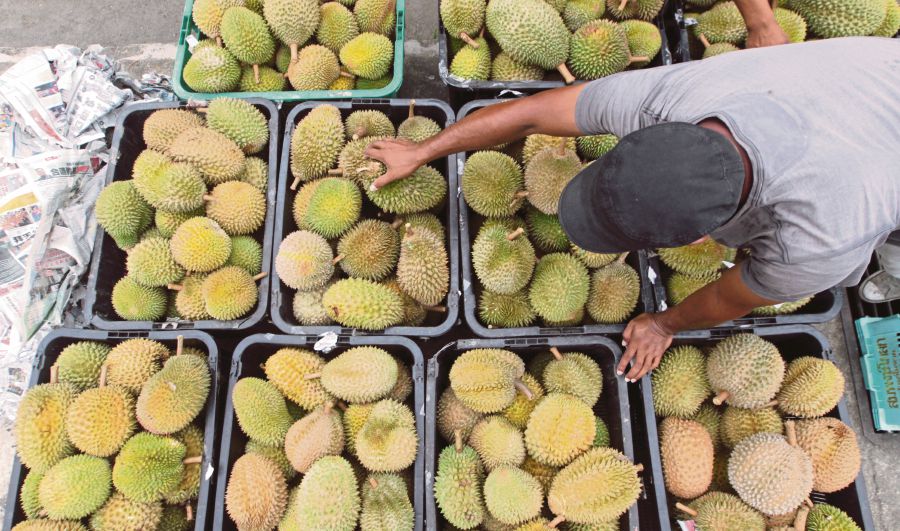
Malaysia bets on durian as demand from China rises
(26 November 2018) Malaysia foresees a rise in large-scale durian farming as it expects a 50% jump in exports by 2030. This comes as the country sees unprecedented demand from China as its consumers discover a newfound love for all things durian-flavoured including pizza, butter, salad dressing, milk and even durian-flavoured chicken broth. The prices of durian in China have nearly quadrupled in the last five years. According to the United Nations’ trade database, China’s durian imports rose 15% in 2017 to nearly 350,000 tonnes worth US$510 million, of which 40% was from Thailand. While Malaysia accounted for less than 1% of China’s durian imports in 2017, it expects sales to jump to 22,061 tonnes by 2030 from 2018 volumes which is likely to hit 14,600 tonnes. According to Malaysia’s agricultural ministry, one hectare of Musang King durian can yield nearly nine times more revenue than a hectare of palm plantation.
Read more>>

Thai rubber farms stretched as US-China trade war saps demand
(25 November 2018) Thai farmers are feeling the bite with rubber prices now five times below the levels in 2011. Since June 2018, prices had dipped 20%. Thailand produces around 4.6 million tonnes of rubber every year but the government aims to reduce production as it foresees a longer term global oversupply crisis due to lower demand from factories in China. Chinese demand for rubber imports—which makes up more than half of Thailand’s latex exports—has decreased. This is due to the rise in rubber prices caused by US tariffs and the depreciation of the Chinese yuan against the US dollar. According to tyre giant Michelin’s regional head, the changing rubber prices will impact farmers, processors, manufacturers and consumers.
Read more>>

Chinese firm is close to finalizing New Yangon City proposal
(23 November 2018) Hong-Kong listed China Communications Construction Co. Ltd (CCCC) is close to finalizing its proposal for the development of the “New Yangon City” project. New Yangon Development Company (NYDC) announced that it is in the final stages of negotiations with CCCC to define the scope of the first phase of the infrastructure project. The project will cover 20,000 acres of land across the Yangon River from Myanmar’s commercial capital and is expected to generate 2 million jobs. The first phase will cost over US$1.5 billion and include two bridges, 26 kilometres of roads, power distribution and transmission facilities, a water treatment plant, a water intake facility as well as basic infrastructure for village towns and an industrial estate.
Read more>>

Chinese company to invest $3.5 billion for steel mill in Mindanao
(22 November 2018) China-based Panhua Group Co. Ltd. has pledged to invest US$3.5 billion to build an integrated steel manufacturing plant at the Phividec Industrial Estate in Mindanao. The project which is expected to commence operation in six to seven years, will be completed in three phases and cover 305 hectares. The project will consist of a port, production facility with a capacity of 10 million tonnes, an industrial and other downstream industries. According to the Philippine Trade and Industry Secretary Ramon Lopez, the project will create more than 50,000 jobs and strengthen the country’s integrated iron and steel industry.
Read more>>

Philippine trade secretary on PH-China trade ties
(22 November 2018) Philippine Trade and Industry Secretary Ramon Lopez expounded on the many opportunities for trade between the Philippines and China during a recent interview after Chinese President Xi Jinping’s state visit, saying that China’s Belt and Road Initiative (BRI) is “a program that is definitely benefiting the Philippines.” Trade volume between the two countries topped US$50 billion in 2017 according to data from the Chinese government, making China the Philippines’ top trading partner and fourth largest export market. Philippine exports to China grew by 10.5% to US$19.2 billion dollars in 2017.
Read more>>


CARI Captures 381

img-c380


ASEAN

ASEAN+3 Summit calls for collective efforts to maintain multilateralism
(16 November 2018) The 21st ASEAN Plus Three Summit which hosts ASEAN Member States plus China, Japan and South Korea alongside the 33rd ASEAN Summit concluded with a clarion call for cooperation in maintaining an open, rules-based and inclusive global trade environment for all members. Singaporean Prime Minister Lee Hsien Loong also called for the group to redouble its efforts to uphold multilateralism to tackle the region’s common challenges of growing trade tensions, digital revolution and cyber security. According to the prime minister, trade between ASEAN and the three countries totaled over US$800 billion in 2017, accounting for 31% of ASEAN’s trade volume last year.

ASEAN

East Asia Summit members to deepen cooperation
(16 November 2018) ASEAN Member States and eight of their key partners acceded to heighten cooperation in a range of security areas at the East Asia Summit (EAS). EAS members agreed to step up cooperation to address the issue of returning foreign fighters, boost cybersecurity, as well as ensure the safe and secure use, storage and transport of nuclear and other radioactive materials. Further, members agreed to advance the ASEAN Smart Cities Network, a partnership to weather rapid urbanisation and harvest opportunities presented by the digital revolution for the benefit of ASEAN citizens. The 18-country EAS also agreed to collaborate on the management of plastic waste, research and education on marine plastic debris, and enhancing cooperation in policy reform and law enforcement.

ASEAN

New MOU to boost ASEAN-Russia trade
(15 November 2018) Trade between ASEAN and member states of the Eurasian Economic Union (EAEU) which amounted to US$35.7 billion in 2017, is expected to increase following the signing of a new agreement to boost trade and investment at the ASEAN-Russia Summit on November 14. The memorandum of understanding (MOU) signed between ASEAN and the Eurasian Economic Commission reinforces the two blocs’ commitment to cooperate in areas such as customs procedures and trade facilitation, sanitary and phytosanitary measures, technical regulations, e-commerce, trade in services and investment, as well as business development. Russian President Vladimir Putin also noted that trade between Russia and ASEAN increased by 35% in the past year and said that Russia will participate in the ASEAN Smart Cities Network.

ASEAN

ASEAN bankers gear up for digital revolution
(20 November 2018) ASEAN bankers discussed ways to prepare for the fourth industrial revolution (4IR) at the 48th ASEAN Banking Council Meeting held in Brunei recently. According to ASEAN Bankers Association (ABA) chairman Phoukhong Chanthachack, the industry should look to leverage on the potential of the 4IR and endeavour to ensure sustainable economic management. According to the chairman, the new banking frontier is one of the five strategic pillars in the ASEAN Connectivity Master Plan and is estimated to be worth up to US$625 billion by 2030, accounting for 8% of ASEAN’s GDP in that year. ABA committees also endorsed proposals to promote sustainable and responsible financing, conduct information sharing on green bond financing and keep abreast of how 4IR will affect the banking sector.

ASEAN

Southeast Asia’s digital economy to exceed US$240 billion by 2025
(19 November 2018) Southeast Asia’s internet economy is expected to triple to US$240 billion by 2025 as affordable mobile internet drives rapid growth in sectors such as e-commerce, ride-hailing, online media and online travel, according to a new Google-Temasek report. The region’s internet economy is predicted to be valued at around US$72 billion at the end of 2018—up 37% from 2017—as measured by gross merchandise value. Indonesia is the largest and fastest-growing economy in the region, with an estimated value of US$100 billion by 2025 and accounting for 40% of the region’s spending. According to Google, 90% of internet users in Southeast Asia access the world wide web via smartphones and the six countries studied (Malaysia, Singapore, Indonesia, Philippines, Vietnam, Thailand) have around 350 million internet users today compared to only 260 million in 2015, making Southeast Asia among the fastest growing internet regions in the world.

ASEAN

Southeast Asian countries to benefit from US-China trade war
(21 November 2018) Analysts are bullish on Southeast Asia’s trade prospects as companies in the US and China push for import substitution towards the rest of Asia. Vietnam is deemed to be the clear winner with companies shifting production from China. Thailand’s automotive industry is a possible beneficiary as it is already Southeast Asia’s largest car manufacturer. Malaysia will likely benefit from electronic integrated circuits, liquefied natural gas and communication apparatus. According to the report by Nomura, of the 13 countries in its analysis, Bangladesh, India and South Korea are the least likely to gain from import substitution, while Pakistan will benefit least from the diversion of production and FDI.

PHILIPPINES

President Xi Jinping’s Philippine visit yields 29 new collaborative initiatives
(21 November 2018) Twenty-nine new agreements were inked during Chinese President Xi Jinping’s two-day state visit to the Philippines. Among them were a framework agreement for joint oil and gas exploration in the South China Sea, US$2 billion to convert part of a former US air base in Manila into an industrial park and a loan for a railway across the island of Luzon. These agreements build on US$24 billion worth of investment pledges made two years ago when President Rodrigo Duterte visited Beijing. At a joint briefing, the Chinese leader said that China and the Philippines will manage contentious issues in the South China Sea and work with other ASEAN countries to solidify a code of conduct in the disputed waters.

VIETNAM

Vietnam, India aim for US$15 billion bilateral trade volume by 2020
(19 November 2018) Vietnam and India are on course to reach their targeted two-way trade revenue of US$15 billion by 2020. India is one of Vietnam’s 10 largest trading partners and bilateral trade revenue between the two countries increased from US$7.8 billion (2015-2016) to US$12.8 billion (2017-2018). Deputy Prime Minister Trinh Dinh Dung invited Indian businesses to invest Vietnam particularly in its renewable energy, manufacturing, information technology and infrastructure development sectors. Indian President Ram Nath Kovind affirmed Vietnam’s importance to India and called on businesses from both countries to enhance cooperation in trade, technology and investments.

ASEAN

Free trade and Asia’s logistics resurgence
(21 November 2018) During the recent Asian Logistics and Maritime Conference, Hong Kong Chief Executive Carrie Lam emphasized the importance of free trade and attributed the state’s success as a leading international financial and logistics hub to the immutable value of free enterprise. Hong Kong’s free trade and related investment agreement with ASEAN is expected to take effect from January 2019. ASEAN Secretary-General Dato Lim Jock Hoi highlighted the need for more investment in the transportation sector as the region needed to expand its ports, highways and rail networks in order to provide greater regional and global connectivity. The digitization of supply chains was also discussed, with the Blockchain in Transport Alliance (BiTA)—an alliance with a membership of over 450 companies—pushing for industry-wide blockchain standards to ensure data interoperability and a common framework to help secure information across complex supply chains.

ASEAN

Tencent eyes Southeast Asia market as China tighten regulations on PC and mobile games
(19 November 2018) According to a report obtained by DealStreetAsia, Southeast Asia is the fastest growing market globally for PC and mobile games with industry revenue projected to reach US$2 billion by 2021. The number of PC online gamers is also projected to rise to 163 million by 2021 due to the growing popularity of e-sports. The region has attracted Chinese internet giant Tencent following its slowest quarterly growth in over three years due to the Chinese government’s regulation overhaul to tackle gaming addiction among youth. Tencent and Southeast Asian internet firm Sea Ltd’s entertainment arm Garena inked a five-year agreement to publish and distribute Tencent’s mobile and PC games in Indonesia, Taiwan, Thailand, Malaysia, Singapore and the Philippines.