Press Release: EU trade expert urges SMEs to leverage the ASEAN Solutions for Investments, Services and Trade (ASSIST) mechanism to flag unfair Non-Tariff-Measures (NTMs)

EU trade expert urges SMEs to leverage the ASEAN Solutions for Investments, Services and Trade (ASSIST) mechanism to flag unfair Non-Tariff-Measures (NTMs)

_BMP8659

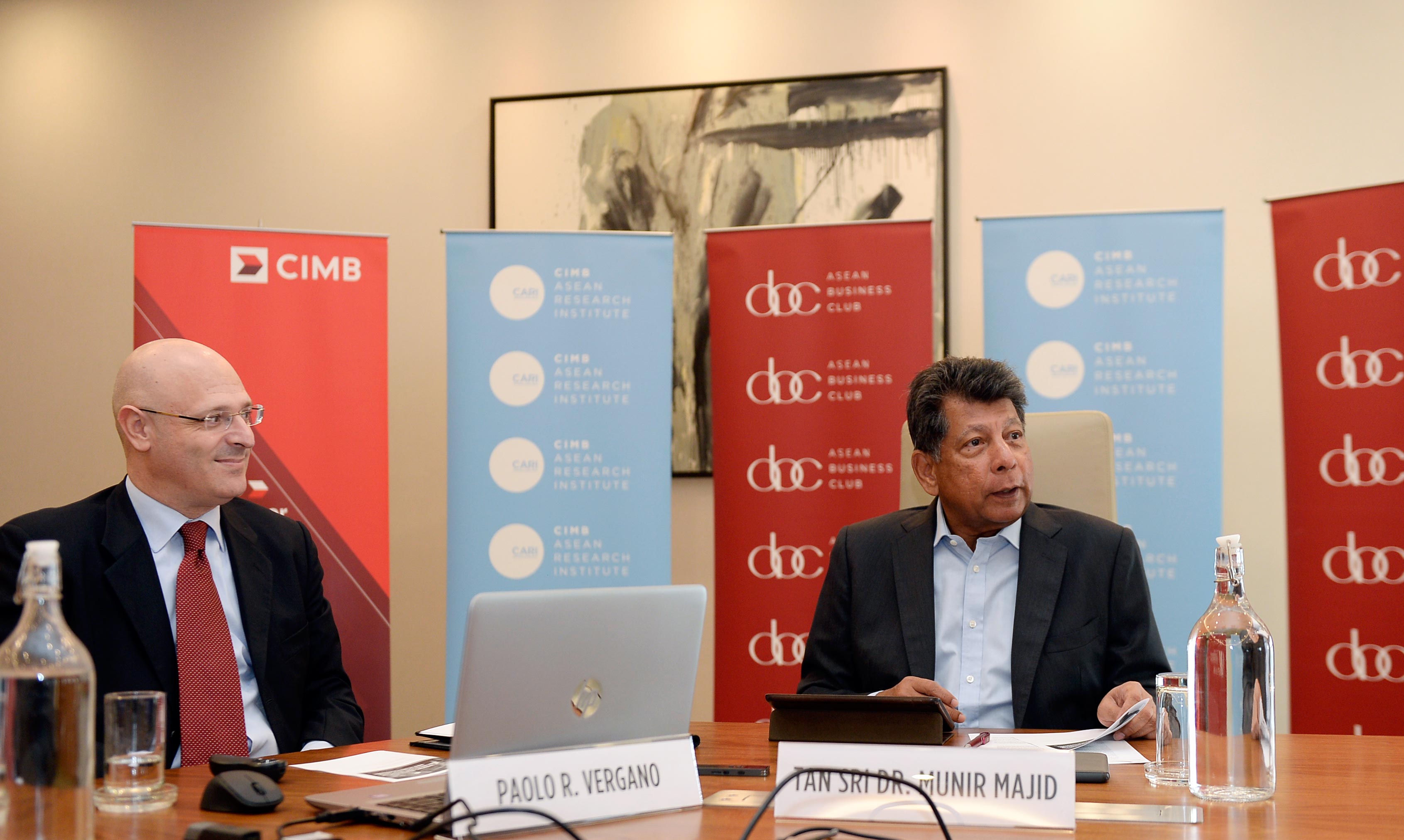
(From left) Mr. Paolo R. Vergano, Trade Facilitation Expert in the ARISE Plus Project of ASEAN Regional Integration Support by the EU, and Tan Sri Dr. Munir Majid, Chairman of CIMB ASEAN Research Institute (CARI) and President of the ASEAN Business Club, discuss how ASSIST can help expedite solutions for cross-border trade problems encountered by ASEAN-based entities during the CARI Briefing entitled “Leveraging ASEAN solutions for trade through ASSIST: The EU’s support under the ARISE Plus Programme”. The roundtable discussion was organized by CARI on 8 January 2019 supported by CIMB.

Kuala Lumpur, 8 January 2018 – EU trade expert calls for private sector to fully utilise the ASEAN Solutions for Investments, Services and Trade (ASSIST) as the best platform to address intra-ASEAN trade problems that limit SMEs’ ability to take advantage of the ASEAN Economic Community (AEC) – the regional integration agenda that has an end goal to facilitate the free movement of goods, services, investment and freer flow of capital across ASEAN.

The ASSIST initiative, under the support of ARISE (ASEAN Regional Integration Support by the EU) Plus, is a non-binding and consultative mechanism that helps expedite solutions for operational cross-border problems related to the implementation of ASEAN economic agreements encountered by ASEAN-based entities. The online solution allows businesses encountering problems exporting goods or services (the latter effective second quarter of 2019) to other ASEAN countries to lodge e-complaints, interacting directly with ASEAN Member State (AMS) Governments.

Paolo R. Vergano, Trade Facilitation Key Expert for ARISE Plus said the private sector should increasingly assist ASEAN Member States in identifying and addressing NTMs, as well as removing Non-Tariff-Barriers (NTBs) within the region.

paolo

“This is exactly what ASSIST aims at delivering and the ASEAN business sector should take advantage of it. The ASSIST mechanics are simple, cost-effective, direct and meant to provide complainants with answers to their questions and solutions to their problems within 2-3 months. Confidentiality and anonymity are guaranteed, when necessary, and ARISE Plus remains available to provide further capacity building and create greater awareness within the private sector, if need be,” said Vergano during a private briefing today chaired by Tan Sri Dr. Munir Majid, Chairman of CARI, called ‘Leveraging ASEAN solutions for trade through ASSIST’ held at Menara CIMB in Kuala Lumpur.

Complaints can be lodged on the ASSIST website with supporting documents anonymously or represented by an ASEAN-based trade association, business council, chamber of commerce, business federation, ASEAN-registered lawyer or law firm. The ASEAN Secretariat will review the complaint and liaise with the relevant national bodies in the ASEAN country where the complainant is facing an issue for review. If the complaint is accepted, the responsible authority in that country will seek an appropriate solution, which the complainant can then choose to accept or seek other dispute resolution avenues. The portal operates a tracking system and businesses utilising ASSIST can expect solutions within 60 working days.

ASSIST is an ASEAN trade facilitation initiative under the ASEAN Trade in Goods Agreement (ATIGA) and AEC Blueprint 2025, which was established as part of the wider trade facilitation support that the European Union provides for ASEAN under its ARISE Plus programme, along with the ASEAN Trade Repository (ATR) and the ASEAN Customs and Transit System (ACTS), which ultimately all cater to the private sector.

Vergano said that trade facilitation is the key driver to enable the process of ASEAN regional economic integration and the fulfilment of the AEC. In particular, regulatory transparency is the bedrock of trade facilitation and a pre-requisite to traders complying with the applicable rules, protecting their rights, and taking advantage of the trade opportunities under the AEC.

“Having legislative and regulatory transparency in trade measures among ASEAN countries, including NTMs and trade-distorting NTBs, is critical. While ASEAN has adopted wide-ranging commitments towards greater transparency through the full operationalisation of the ATR and the related network of National Trade Repositories (NTRs) in all ASEAN countries, this process is, however, unfolding at a rather slow and asymmetrical speed among ASEAN Member States. The ASEAN private sector should encourage Governments to comply fully with these obligations, which are fundamental to regional integration and economic development,” said Vergano.

Tan Sri Dr. Munir Majid, Chairman of CARI, concurred with the call for the SMEs to capitalise this platform while pursuing other channels of resolution.

“Frustrations in trade in goods and services are still far too many in ASEAN. The ASSIST mechanism is one way to break down these impediments. Companies, especially SMEs, encountering these problems, should use it, even as efforts to address trade barriers are addressed at the policy level,” said Tan Sri Munir.

Screen-Shot-2019-01-08-at-5.27

CARI Captures 386

c386_graphic


ASEAN

Vietnam aims to be among top ASEAN countries for doing business by 2021
(25 December 2018) The Vietnamese government has decided that improving the country’s business environment would be its foremost policy priority next year, second only behind the implementation of its socio-economic development and state budget for 2019. This comes as the government races to implement further reforms in order to meet its target of being among the top four ASEAN countries with the best business environment by 2021. According to the World Bank, Vietnam’s business environment has improved greatly in recent years, especially in areas such as logistics services, innovation, e-government and access to e-public services. However, its overall ranking is still relatively low compared to other nations in the region, as it lags behind in areas such as dispute resolution, property registration, bankruptcy and business performance. During the Vietnamese government’s recent cabinet meeting, Prime Minister Nguyen Xuan Phuc stressed the need for leaders of ministries and localities to set clear goals, specific criteria and strict punishments for poor implementation based on these standards. To this end, the government has also identified four key areas for 2019 under its resolution to improve the country’s business environment, i.e. to simplify procedures for doing business, continue reforms in specialized inspections and initiatives related to the National Single Window Portal, promote electronic payment and provide e-public services at a higher level, as well as to develop innovation ecosystems and support startups.

BRUNEI

Brunei’s central bank predicts low inflation in 2019
(23 December 2018) Brunei’s central bank Autoriti Monetari Brunei Darussalam (AMBD) expects the country’s inflation to remain below 1% next year with potential downside risks if global inflationary pressures remain weak, according to its recently published biannual policy statement. The statement also highlighted that local financial institutions continue to have strong fundamentals which are underpinned by high levels of capitalization, strong liquidity and improved profitability. The AMBD further noted that Brunei achieved a full score and ranked first out of 190 economies in the Getting Credit indicator in the World Bank’s Doing Business Report 2019, sharing the top spot with New Zealand.

PHILIPPINES

World Bank downgrades Philippines growth forecasts
(22 December 2018) The World Bank has adjusted its economic growth forecasts for the Philippines from 6.5% to 6.4% in 2018 and 6.7% to 6.5% in 2019. The adjustments were made due to the delay in the approval of the 2019 national budget, which will likely result in the reenactment of the 2018 budget in the first quarter of 2019, thus denying funding for several planned projects. Moreover, the World Bank also expects weakness in global demand to continue to dampen the Philippines’ exports. It also noted that while high inflation may have tempered the growth in household consumption in the fourth quarter of 2018, a moderation in inflation in the following quarters is expected to boost consumer confidence and raise private consumption in 2019.

INDONESIA-SINGAPORE

Indonesia reassures Singaporean investors on upcoming elections
(24 December 2018) Indonesian ambassador to Singapore Ngurah Swajaya assured foreign businesses and investors that Indonesia’s upcoming election year would not affect the government’s commitment to improve the country’s business climate. Speaking at a gala dinner in Singapore for investors and the business community, the ambassador urged attendees to continue investing, doing business in and visiting Indonesia. He also urged them to seize opportunities arising from the US-China trade war, stressing the need for ASEAN players to go beyond just touting their potential and work on selling concrete investment packages. Trade between Indonesia and Singapore amounted to over US$25 billion in the first three quarters of 2018, representing an increase of over 18% for the same period last year.

MALAYSIA-PHILIPPINES

Malaysian firms keen on landing engineering contracts in the Philippines
(25 December 2018) Malaysia hopes to participate in the Philippines’ ‘Build, Build, Build’ programme by offering the expertise of its engineering companies to the Philippines, said a trade commissioner from the Embassy of Malaysia Trade Office (MATRADE). According to the trade commissioner, introductory sessions have been organized involving Malaysian companies and the Philippines’ Department of Public Works and Highways (DPWH) with the aim of promoting collaborations on infrastructure and manufacturing projects in the Philippines. According to MATRADE, Malaysian exports to the Philippines rose 9.7% year-on-year to reach US$3.1 in the first nine months of 2018. Manufactured goods accounted for 78.2% of these exports, followed by agricultural goods at 16.6% and mining goods at 4.5%.

THAILAND

Economists predict a slowdown in exports and GDP growth in 2019
(25 December 2018) Thailand has passed its peak growth of 4.9% that it enjoyed in the first quarter of 2018 and will likely grow at a slower pace in 2019 and 2020, according to local experts. The Bank of Thailand expects GDP to grow by 4.2% next year — a more optimistic projection than the International Monetary Fund’s projected 3.9% and Moody’s forecast of 3.7% GDP growth. Further, the Thai Ministry of Commerce maintained its ambitious 8% growth target for exports in both 2018 and 2019 despite comments by finance minister Apisak Tantivorawong that the trade war has already begun to take its toll on the country. For instance, the commerce ministry recently reported that exports of computer parts and integrated circuits to China fell by 18.4% in October, while the Federation of Thai Capital Market Organisations’ (FETCO) Investor Confidence Index (ICI) reported in November that investor confidence is expected to fall from November this year through to the beginning of 2019 by as much as 7.23%.

LAOS

Laos not fully benefiting from ASEAN integration
(25 December 2018) Laos has not fully benefited from economic integration in ASEAN, evidenced by its declining share of trade with other ASEAN member states, reports the Lao National Institute for Economic Research (NIER). According to the NIER, Laos’ share of trade with other member states declined from 74% in 2004-2010 to 63% in 2011-2017, while its share of exports to member states out of total exports declined from 73% in 2004-2010 to 51% in 2011-2017. Further, Laos’ share of foreign direct investment from ASEAN member states declined from 41% in 2010 to 10% in 2017.

MALAYSIA

Year of ‘slow steaming’ in maritime transport
(24 December 2018) Malaysia’s maritime industry is expected to pick up steam in 2019 as plans to revive the industry are underway, according to national news agency Bernama. This development is in tandem with the increase in manufactured goods and shipments to China – factors which are deemed to have strengthened the export sector this year. Meanwhile, implementation of the Malaysia Shipping Master Plan (MSMP) 2017-2022 is also afoot, and a national maritime council to oversee matters related to shipping and ports was activated in August. The council, known as the National Shipping and Port Council (NSPC), convened for the first time in December and has thus far established six advisory councils to look into various focus areas. Other highlights reported by Bernama includes the long-delayed implementation of the single-window gateway system uCustoms aimed at speeding up cargo clearance, as well as the development of a new free zone (FZ) in Pulau Indah.

VIETNAM

Vietnam gears up for ASEAN Chairmanship in 2020
(24 December 2018) Vietnam has launched its National ASEAN 2020 Committee to begin preparations to helm the ASEAN Chairmanship in 2020. The 29-member committee is headed by Deputy Prime Minister and Foreign Minister Pham Binh Minh. They are tasked with helping Prime Minister Nguyen Xuan Phuc to direct, supervise, coordinate and guide ministries, offices and localities in preparation for the chairmanship. Speaking at the launch ceremony, the prime minister said that ASEAN has always been a top priority in Vietnam’s multilateral diplomacy policy and the country will do its utmost to make the ASEAN Chairmanship 2020 a success.

THAILAND

Thailand’s economic goals as ASEAN chair in 2019
(25 December 2018) Thailand’s chairmanship of ASEAN in 2019 was officially launched by Thai Prime Minister Prayut Chan-o-Cha and ASEAN Secretary-General Lim Jock Hoi in Bangkok on December 21. Prominent corporations and government agencies were invited to showcase their contributions to the region in the areas of green technology, sustainability and innovation — in line with Thailand’s theme for next year’s chairmanship “Advancing Partnership for Sustainability”. Ten economic trends to watch during Thailand’s term as chair includes the adoption of the ASEAN Declaration on Innovation, enactment of the Declaration on ASEAN Industrial Transformation to Industry 4.0, further harmonization of ASEAN Member States’ national single windows, development of guidelines for an ASEAN Region of Gastronomy and ASEAN gastronomy tourism network, as well as the finalization of the Regional Comprehensive Economic Partnership (RCEP).

Mekong Monitor


img-mm-2871218

Photo credit: The Korea Herald


TRADE, ECONOMY, AND INVESTMENT


MEKONG

Mekong-Korea cooperation spearheads sustainable development
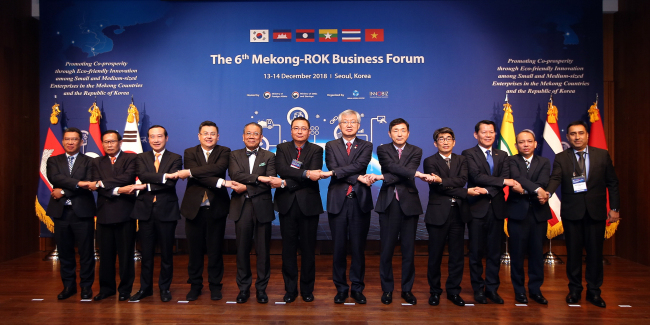
(24 December 2018) The Korean government stands ready and willing to share its insights and experience with Mekong countries as Korea seeks greater cooperation with the Greater Mekong Subregion (GMS), said Korean second vice foreign minister Lee Tae-ho in a speech at the 6th Mekong-ROK Business Forum held in Seoul recently. The forum, which carried the theme “Promoting Co-prosperity Through Eco-friendly Innovation Among SMEs in Mekong Countries and Republic of Korea”, was hosted ahead of the inaugural Mekong-ROK Summit and ASEAN-ROK Commemorative Summit next year. According to the Korean government, the country’s imports from the Mekong region increased from US$7.7 billion to US$22 billion from 2010 to 2017, while Korea’s exports to the region rose from US$17 billion to US$56 billion during the same period. Further, capital from Korea to the Mekong region rose from US$1.3 billion to US$2.9 billion during the period, while Mekong countries’ investments in Korea rose from US$4 million to US$11 million.
Read more>>

THAILAND, LAOS

Rail link to boost connectivity between Thailand and Laos in the works
(23 December 2018) Thailand intends to develop a double-track railway to link Nakhon Ratchasima and Laos’ Pakse, said Thai transport minister Arkhom Termpittayapaisith. According to the minister, the Thai government is keen on developing transport linkages over its northeastern provinces, whether through rail or air transport development. The ministry is also working on improving logistics systems that affect the tourism industry. Further, several railway and road projects, as well as bridges linking Thai-Lao provinces are also on the cards.
Read more>>

LAOS

Laos’ exports expected to continue rising in 2019
(21 December 2018) The Lao government expects the country’s exports to continue on an uptrend and reach US$5.5 billion in 2019, based on projections in a report by the Lao Ministry of Industry and Commerce. The report also noted as at November, the country was only able to achieve 78% of the year’s targeted US$5 billion export value. Only US$3.9 billion worth of goods were exported in the first nine months of 2018 and it is unclear if the country will meet this year’s export target. Further, the government has lowered the GDP growth forecast, citing widespread flooding which affected productivity.
Read more>>

CAMBODIA

Cambodia’s exports up 4% in 2018
(24 December 2018) Cambodia’s exports increased by 4% to reach US$11.2 billion in 2018, according to its Commerce Ministry’s annual report. Speaking at the ministry’s annual conference, commerce minister Pan Sorasak said that the growth was driven by increases in the exports of apparel, agricultural and industrial products. He added that Cambodian products were shipped to 147 countries around the world this year, and that the export volume accounts for around 60% of the country’s GDP. Further, according to another senior ministry official, Cambodia’s key exports are garments, footwear, bicycles, rubber, rice, cassava, pepper, palm oil and cashew nut. On the import side, the country imported goods worth US$13.7 billion this year, up 5.7% from 2017.
Read more>>

MEKONG-ASEAN

Thailand calls for Mekong neighbours to intensify SEZ collaboration
(21 December 2018) The Thai government urged its four neighbouring countries — Cambodia, Laos, Myanmar and Vietnam — to intensify joint efforts in developing special economic zones (SEZs) in order to seize all opportunities that the ASEAN single market presents. According to Thai industry minister Uttama Savanayana, Thailand is working hard on its flagship Eastern Economic Corridor (EEC) scheme, which it envisions as the region’s manufacturing hub encompassing 44 special service promotion zones. The minister added that the Thai government aims to connect the corridor and SEZs with initiatives under other partnerships such as the Ayeyawady-Chao Phraya-Mekong Economic Cooperation Strategy. Thailand presently has 10 SEZs, Cambodia has 38 SEZs, Laos has 15 SEZs, Myanmar has 20 SEZs, while Vietnam has 18 SEZs, 292 special service promotion zones and three technology industrial parks.
Read more>>


mekong-monitor-map

About Greater Mekong Subregion (GMS)

The Greater Mekong Subregion (GMS) Economic Programme was launched by the Asian Development Bank in 1992 connecting five developing ASEAN countries, namely Cambodia, Laos, Myanmar, Vietnam and Thailand, and Chinese provinces of Yunnan and Guangxi Zhuang Autonomous region. The region has some of the most robust economies sharing the Mekong River Basin thanks to its reform and liberalisation. The subregion is growing at a faster pace than the whole of East Asia and the Asia Pacific as the GDP growth rate for 2017 was at 6.4 percent, according to the World Bank. The population at the subregion as of 2016 is at 340 million while the GDP at PPP is at US$3.1 trillion in 2016. In 2015, trading within the region was at US$444 billion.

China-ASEAN Monitor


img-ca-261218

Photo Credit: Bangkok Post


Economy, Investment and Trade


Thailand seeks to replicate success of Chinese digital village model
(24 December 2018) Thailand plans to start adopting the Taobao Village model to help local communities generate income through the digital economy, starting with three or four districts in February 2019. According to commerce minister Sontirat Sontijirawong, districts are selected based on their ability to develop community production to meet export opportunities in the global market and their capacity to mobilize people with e-commerce know-how to educate people in the community. Alibaba will also be sending a team to train people in the selected communities, based on Taobao’s experiences in China. The Taobao model, which spans 3,202 villages and 363 towns in China, is seen as a significant driving force behind the development of rural e-commerce in the country. For instance, the first farming village to adopt e-commerce on a large scale under the model has seen over 1,000 households join the digital economy by making furniture and selling finished goods online.
Read more>>

China to invest in Cambodia’s rice facilities
(24 December 2018) China’s Henan Yuguang International Economic and Technical Cooperation Co Ltd (HYIETC) expressed its interest in investing in Cambodia’s rice storage facilities during a recent meeting between HYIETC and Cambodian commerce minister Pan Sorasak. Should the plan come to fruition, the facilities will have the capacity to dry 100,000 tonnes of paddy rice per day, thus boosting Cambodia’s rice exports to 500,000 tonnes per year. According to the Cambodia Rice Federation (CRF), current rice storage facilities have not been able to keep up with the country’s increasing production, adding that the sector can currently produce up to nine million tonnes of paddy rice every year.
Read more>>

Vietnam and China to boost trade cooperation
(21 December 2018) Economic, trade and investment cooperation between China and Vietnam continues to be the highlight of the countries’ bilateral relations, according to Vietnamese deputy foreign affairs minister Le Hoai Trung who was speaking at the Boao Forum for Asia (BFA) held in Hanoi recently. Also addressing the forum was BFA head Li Baodong, who called Vietnam “the new economic tiger of Asia”. Trade between Vietnam and China reached US$97 billion in the first 11 months of 2018, a year-on-year increase of 16.5%. The number of Chinese tourists to Vietnam also increased by 27% in this period, attracting an inflow of over 4.5 million visitors. Further, the Vietnam Chamber of Commerce and Industry (VCCI) provides that as at the end of November, China has invested in 2,102 projects in Vietnam with a total registered investment of US$13.05 billion.
Read more>>

Chinese and Thai companies to develop Golden Triangle tourist boat service
(20 December 2018) Chinese and Thai companies have inked agreements to develop boat services on the Mekong River to boost tourism in the region. The project aims to connect tourist services and attractions along the Lancang-Mekong River, and allow tourists to view Thailand, Laos and Myanmar in a single day trip. The agreement also includes the creation of a boat transportation service which will connect Chiang Saen port in northern Thailand to Jinghong in China’s Yunnan Province, Luang Prabang in Laos and Kengtung in Myanmar. According to Yunnan Provincial Tourism Investment, the project will help Thailand realize its “five Chiang cities, four countries” vision, which seeks to intensify tourism cooperation between Chiang Mai, Chiang Rai, Jinghong, Kengtung and Luang Prabang.
Read more>>

Southeast Asian exports to China rise on trade war fears
(24 December 2018) Southeast Asian exports to China have increased as businesses expedite their shipments before the US-China trade war escalates further, according to Nikkei Asian Review. Re-exports of non-oil goods from Singapore increased 9.4% on the year in November to a value of US$14.5 billion, with nearly 30% going to China and Hong Kong. Similarly, Malaysia’s exports rose 17.7% on the year to US$23 billion in October, with shipments to China increasing by 33% as electrical machinery and oil product shipments grew. Analysts caution that this trend of front-loading shipments will likely eat into future demand, possibly causing trade to slow as soon as early 2019.
Read more>>

Mekong Monitor


unnamed

Photo credit: Reuters


TRADE, ECONOMY, AND INVESTMENT


MEKONG

Mekong-Lancang cooperation needs focus
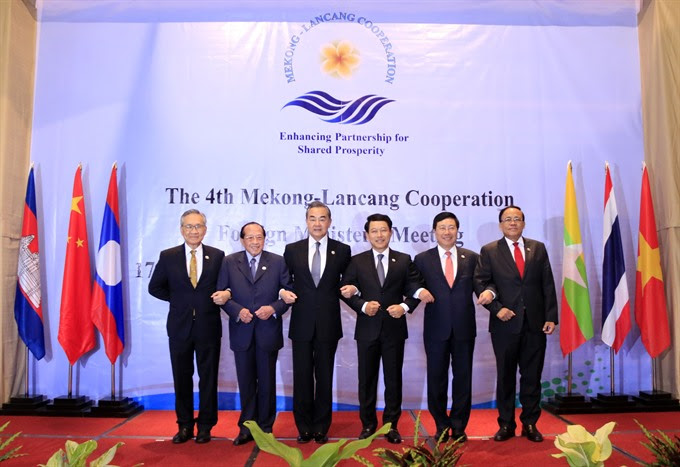
(18 December 2018) Vietnamese deputy prime minister and foreign affairs minister Pham Binh Minh emphasized the need for the Mekong-Lancang Cooperation (MLC) to maintain an efficient working model and enhance coordination with regional cooperation mechanisms in order to ensure that projects bring benefits for all member countries. Speaking at the 4th Mekong-Lancang Cooperation Foreign Ministers’ Meeting, the minister also stressed the need to mobilize resources to advance the Sanya Declaration and the MLC’s five-year Plan for Action for 2018-22. During the meeting, the ministers also reached a consensus to strengthen the MLC’s connectivity with national development strategies and relevant regional and subregional co-operative mechanisms such as ASEAN, the Mekong River Commission, the Greater Mekong Subregion (GMS) and the Ayeyawady-Chao Phraya-Mekong Economic Cooperation Strategy (ACMECS).
Read more>>

CAMBODIA, VIETNAM

Cambodia-Vietnam trade reaches record high in 2018
(14 December 2018) Bilateral trade between Cambodia and Vietnam reached a record high this year with trade volumes amounting to US$3.06 billion in the first ten months of 2018, representing a 36% increase compared to the same period last year. Of the US$3.06 billion, Vietnam’s exports to Cambodia accounted for US$2.25 billion or 73% of the total two-way trade. According to the Cambodia Chamber of Commerce, Cambodia has consistently run a trade deficit with Vietnam in recent years due to a lack of locally-produced products such as steel. As such, the trade deficit with Vietnam grows larger as Cambodian construction needs increase. Further, data form the General Department of Vietnam Customs indicated that Vietnam’s key exports to Cambodia include steel, petrol, garments, textiles, leather and footwear. Cambodia’s exports to Vietnam are mostly raw agricultural products such as cashew nuts, rubber, wood and woodwork products.
Read more>>

THAILAND, LAOS

Thailand and Laos to deepen bilateral cooperationion
(16 December 2018) Thai Prime Minister Gen Prayut Chan-o-cha and Lao Prime Minister Thongloun Sisoulith inked several agreements to enhance cooperation between the two countries during the Thailand-Laos Joint Cabinet Retreat held recently. Documents signed included agreements to intensify cooperation in legal and judicial affairs, transportation, education, immigration control and electricity demand. Both parties also agreed to enhance subregional transport connectivity in line with the Ayeyawady-Chao Phraya-Mekong Economic Cooperation Strategy (ACMECS) Master Plan and bring bilateral trade volumes to US$11 billion by 2021.
Read more>>

MYANMAR

Myanmar to open its doors to foreign insurance firms in 2019
(14 December 2018) Qualified foreign insurance providers will be able to operate in Myanmar by April next year, according to the country’s Financial Regulatory Department director U Thant Sin. Speaking at the UK Capital Market and Insurance Conference in Yangon, the director assured companies that they will soon be accepting Expressions Of Interest (EOI) so that foreign insurers can commence operation in April or May 2019. So far, 31 foreign insurers from 14 countries have set up offices in Myanmar in anticipation of government permits to allow full foreign investment in life insurance and joint ventures in general insurance. According to U Thant Sin, a licence for foreign insurers to provide general insurance will cost US$14 million. Once the license is given, 30% of foreign insurers’ required capital should be allocated to buying government bonds.
Read more>>

VIETNAM

Flood of new passengers to stoke demand for jet fuel in Vietnam
(17 December 2018) Vietnam’s record 8.7% annual growth in foreign visitors has led the country’s fuel consumption to increase by 20-25% to reach a record high in 2018. The country has imported 1.87 million tonnes or 14.8 million barrels of fuel from January to November this year, up 18% from the same period in 2017. This trend is expected to continue for years to come as Vietnam is on track to welcome 38 million international passengers and 16 million visitors this year, up from 18 million passengers and 8 million visitors in 2015 based on data from CAPA Centre for Aviation. Further, the International Air Transport Association (IATA) predicts that the country will have 150 million airline passengers per year by 2035, four times the passengers in 2015. There are presently five Vietnamese airlines, i.e. Vietnam Airlines HVN.HNO, Jetstar Pacific Airlines, Vietjet Aviation VJC.HM, Vietnam Air Services Co. and the recently-approved Bamboo Airways.
Read more>>


mekong-monitor-map

About Greater Mekong Subregion (GMS)

The Greater Mekong Subregion (GMS) Economic Programme was launched by the Asian Development Bank in 1992 connecting five developing ASEAN countries, namely Cambodia, Laos, Myanmar, Vietnam and Thailand, and Chinese provinces of Yunnan and Guangxi Zhuang Autonomous region. The region has some of the most robust economies sharing the Mekong River Basin thanks to its reform and liberalisation. The subregion is growing at a faster pace than the whole of East Asia and the Asia Pacific as the GDP growth rate for 2017 was at 6.4 percent, according to the World Bank. The population at the subregion as of 2016 is at 340 million while the GDP at PPP is at US$3.1 trillion in 2016. In 2015, trading within the region was at US$444 billion.

CARI Captures 385

c385_graphic


ASEAN

The state of e-commerce employment in Southeast Asia in 2018
(19 December 2018) Southeast Asia’s e-commerce sector needs more than 200,000 people by 2025 to support its exponential growth, but the region still faces a great shortage of highly-skilled professionals in technical roles such as software engineering, digital marketing, data science and product marketing. According to a study on e-commerce employment in the region by iPrice, e-commerce companies had the highest number of employees in operations and marketing, followed by engineering and IT in third and sixth place respectively. The study also found that top e-commerce platforms in Southeast Asia saw their workforce grow by an average of 808 employees each quarter between Q4 2016 and Q3 2018, largely spurred by an inflow of investments. Lazada leads the pack in number of employees as of October 2018 at 6,659 employees, followed by Shopee with 3,831 employees, Tokopedia with 2,003 employees, Bukalapak with 1,887 employees and Zalora with 1,715 employees.

ASEAN

Ministers push for completion of ASEAN ICT Masterplan 2020
(17 December 2018) At the recent 18th ASEAN Telecommunications and Information Technology Ministers Meeting held in Bali, ASEAN member countries reaffirmed their commitment to the ASEAN ICT Masterplan 2020 (AIM) and agreed to further intensify cooperation to propel the region towards a digitally-enabled economy. This includes institutionalizing a public-private consultative dialogue on developing principles to regulate internet content streaming providers, advancing initiatives under the ASEAN Framework on Digital Data Governance, establishing the ASEAN Computer Emergency Response Team (CERT), and developing an ASEAN Open Data Dictionary and Application Programming Interface. Additionally, the ministers endorsed the various ICT work plans to further deepen cooperation with dialogue partners China, Japan, Korea, US and the EU.

ASEAN

Southeast Asia’s appetite for coal will help keep global coal demand stable
(18 December 2018) Global coal demand is projected to rise for a second consecutive year and remain stable for the next five years, according to the International Energy Agency (IEA). This demand is largely fuelled by strong growth in South and Southeast Asia, which will offset declines in Europe and North America. Coal remains an affordable and widely available resource in Asia, especially in India where demand has been growing at a rate of 3.9% per year. Significant increases in coal use are also expected in Indonesia, Vietnam, Philippines, Malaysia and Pakistan. According to the IEA, while many countries aim to phase out coal power plants, some countries in South and Southeast Asia have proven to be resistant to change as coal is looked upon to provide energy security and support economic development.

ASEAN

The rise of green bonds in Southeast Asia
(18 December 2018) 2018 was the year ASEAN finally caught on with the global trend of socially responsible investing, according to analysts in the region. This comes on the heels of regulations passed at the ASEAN Capital Markets Forum held in November 2017 which determined rules governing the qualification, certification and sale of green bonds. Governments, banks and renewable energy companies in Indonesia, Malaysia, Thailand and Singapore are among the issuers contributing to the sale of an estimated US$4 billion worth of green bonds this year. Thailand’s TMB Bank sold the country’s first green bond with a US$60 billion offering in June, while the Indonesian government issued its first US$1.25 billion green Islamic bond. In Malaysia, the government said it would offer grants to help offset the cost of establishing green Islamic bonds, and a renewable energy company launched a US$60 million green Islamic bond to help finance a solar power station.

ROK-ASEAN

ASEAN provides growth opportunities for Korean healthcare firms
(19 December 2018) Korean healthcare providers are looking for opportunities to fill gaps in ASEAN’s inadequate healthcare ecosystem, as they eye the region’s expanding middle class and growing purchasing power. According to a report by the Korea Bio-economy Research Centre under the Korea Biotechnology Industry Organization, Korea has exported over US$200 million worth of medical devices to ASEAN since 2013. The number of doctors per 1,000 people in ASEAN is 0.57 on average — a significantly low number compared to the Organization for Economic Cooperation and Development (OECD)’s average of 3.3 — thus presenting opportunities for Korean hospitals to enter the region. According to the World Bank, Indonesia had the highest medical expenditure among ASEAN countries, spending US$29.5 billion in 2015. Thailand came next with US$15 billion, followed by the Philippines with US$12.9 billion, Singapore with US$12.6 billion, Malaysia with US$11.5 billion, and Vietnam with US$10.9 billion.

THAILAND, INDONESIA

Thailand hikes rates as Southeast Asia’s largest economies diverge on policy
(19 December 2018) Southeast Asia’s two largest economies are taking different interest rate paths against the backdrop of rising US rates, a rebound in emerging markets and weaker global growth prospects. The Bank of Thailand raised its policy rate for the first time in seven years in a widely expected move, lifting it from 1.5% to 1.75%. Thai central bank governor Veerathai Santiprabhob said that the central bank may raise rates and then pause, a view backed by its chairman. Meanwhile, Indonesia’s central bank is set to maintain its rate at 6% after an increase of 175 basis points since May to stem downward pressure on its currency. According to Bank Indonesia deputy governor Dody Budi Waluyo, Indonesia’s economy has performed well and economic gains have been complemented by efforts to reduce the current-account deficit to within a manageable threshold.

MALAYSIA, SINGAPORE

Malaysia and Singapore lead Southeast Asia in communications infrastructure
(19 December 2018) Singapore and Malaysia are ahead of their Southeast Asian neighbours in terms of communications infrastructure extensiveness, quality and connectivity, according to a PricewaterhouseCoopers (PwC) report. Mobile SIM penetration stands at 154% in Singapore and 136% in Malaysia. Further, the average mobile data speed in Singapore is 16.90Mbps, while the average speed in Malaysia is 3.16Mbps. The report also noted that the two countries are followed by Brunei, Thailand and Vietnam in terms of technological readiness.

PHILIPPINES

Philippine MSMEs fare better when exporting to non-ASEAN countries
(19 December 2018) Philippine micro, small, and medium enterprises (MSMEs) perform better when exporting to non-ASEAN countries than to ASEAN countries, according to a study by state think tank Philippine Institute for Development Studies (PIDS). The study, which mapped the “survival rate or duration of continuous exports” of products from Philippine MSMEs to non-ASEAN countries, showed that MSMEs fared better when exporting to countries such as Australia, New Zealand, India, China, Japan and South Korea. For instance, exports to Australia had the highest survival rate at 86% after the first year, followed by Japan with 78%. This development contrasted with exports to ASEAN countries such as Cambodia, Laos and Myanmar, which had an average survival rate of 41% after the initial year. The report therefore urged the government to focus on helping firms to increase their capabilities in order to meet the demands of the global market.

INDONESIA

Indonesia, EFTA sign long-delayed free trade agreement
(16 December 2018) Indonesia and the European Free Trade Association (EFTA) signed a pact to increase trade and investment between Indonesia and EFTA countries (Switzerland, Liechtenstein, Norway, Iceland) after almost eight years of negotiations. Thousands of products traded between the two parties will benefit from the elimination of tariffs and non-tariff barriers under the arrangement. Indonesian palm oil, fish, coffee and textiles will get greater market access in EFTA countries. In exchange, EFTA countries will gain better access for gold, medicine and dairy products. According to Indonesian records, Indonesia-EFTA trade was worth US$2.4 billion pounds in 2017 with Indonesia having a trade surplus of US$212 million.

ASEAN

Improving global macroeconomic conditions may spur Southeast Asian markets in 2019
(17 December 2018) Southeast Asian markets may enjoy better valuations in 2019 amid improving global macroeconomic backdrop despite gloomy growth forecasts and the ongoing US-China trade war, according to Thailand’s largest private asset management firm. As of now, valuations in most of the region’s markets have dropped significantly to considerably attractive levels. Prospects for improved valuations will depend on for instance, smooth elections in Thailand and Indonesia. On the other hand, analysts expect flattish growth trends in Malaysia and the Philippines, with the former focusing on narrowing the country’s budget deficit and the latter plagued by high inflation rates. Meanwhile, Vietnam is expected to grow strongly on the back of surging foreign direct investments and a stable dong.

China-ASEAN Monitor


img-ca-191218

Photo Credit: Reuters


Economy, Investment and Trade

Chinese steelmaker to invest in US$4.4 billion Philippine steel project
(17 December 2018) China’s second-largest steelmaker HBIS Group, private equity firm Huili Investment Fund, Philippine rebar producer Steel Asia Manufacturing Corp and Philippine state-owned Phividec Industrial Authority signed a memorandum of understanding to develop Philippines’ first integrated steel complex. The US$4.4 billion Philippine Iron and Steel Project is the biggest industrial investment from China in the Philippines to date. The two-phase project will be located in the Misamis Oriental province on Mindanao Island and is expected to create over 20,000 jobs and produce eight million tonnes of steel every year. The first phase of the project, which will cost US$3 billion, is expected to produce 4.5 million tonnes of hot-rolled coil and 600,000 tonnes of slab annually.
Read more>>

Chinese port city to challenge Singapore marine hub’s top billing
(13 December 2018) Chinese port city Zhoushan plans to leverage on its proximity to Beijing and some of the world’s biggest ports in order to compete with Singapore for a larger share of the multi-billion dollar shipping fuel industry. Zhoushan — which sits 150 kilometres from the world’s biggest container port in Shanghai — is banking on its proximity to major ports and fuel producers in China to lure vessels to it, especially those heading to China, Japan and South Korea. Further, the half dozen fuel producers setting up shop near the port could also attract oil and gas tankers, dry-bulk carriers from Australia and container ships heading to the US west coast. According to Sinopec Corp, Zhoushan is on track to meet its targeted bunkering volumes of 30 million tonnes a year by 2030.
Read more>>

China-Malaysia bilateral trade expected to grow
(15 December 2018) China was the largest contributor of foreign direct investment (FDI) for Malaysia in the past two years and this trend is expected to continue in 2019, according to Malaysia’s special envoy to China Tan Kok Wai. According to the special envoy, Malaysia received FDI amounting to US$11.7 billion in the first three quarters of 2018, of which US$3.7 billion came from China. This includes Chinese investments such as Alibaba’s involvement in the Digital Free Trade Zone (DFTZ) and China’s largest commercial vehicle brand Foton which has launched its new 3S (sales, service and spare parts) Centre in Malaysia. China has been Malaysia’s largest trading partner for nine consecutive years since 2009.
Read more>>

Chinese foreign minister lauds Lancang-Mekong cooperation
(17 December 2018) Cooperation between the six member countries under the Lancang-Mekong Cooperation (LMC) not only helps to strengthen China-ASEAN cooperation but also brings the countries closer together, according to Chinese state councilor and foreign minister Wang Yi. The foreign minister, who was addressing the 4th Lancang-Mekong Cooperation Foreign Ministers’ Meeting in Laos, lauded the LMC’s joint efforts in deepening partnership and upholding its plans to develop a Lancang-Mekong sub-regional economic development zone. The LMC has identified six priority areas for future cooperation, i.e. developing the LMC Economic Development Belt, cooperating to increase production capacity, enhancing innovation cooperation, prioritizing the improvement of citizens’ livelihood, intensifying environmental protection, and upholding openness and inclusiveness.
Read more>>

China and Thailand pledge to deepen cooperation
(16 December 2018) China and Thailand reaffirmed their commitment to deepen bilateral cooperation at a meeting between the countries’ foreign ministers held on the sidelines of the 4th Lancang-Mekong Cooperation Foreign Ministers’ Meeting in Laos. Chinese foreign minister Wang Yi pledged to support Thailand’s ASEAN Chairmanship, expedite construction of the China-Thailand railway in a bid to achieve early connection of the China-Laos-Thailand railway, and deepen cooperation between the two countries. Thai foreign minister Don Pramudwinai said Thailand will work with China to maintain high-level exchanges, deepen trade and economic cooperation, and explore more third-party cooperation under the Belt and Road Initiative (BRI). Both sides also reiterated their commitment to advancing ASEAN-China relations, as well as negotiations on the Regional Comprehensive Economic Partnership (RCEP) and South China Sea Code of Conduct (COC).
Read more>>

CARI Captures 384

c384_graphic


ASEAN

Asia to grow as expected in 2018 and 2019, trade war poses downside risks
(12 December 2018) Despite challenges brought about by external headwinds, the Asian Development Bank’s (ADB) growth forecasts for Asia remained unchanged at 6.0% for 2018 and 5.8% for 2019. This outlook is according to the ADB’s just released update which forecasts Southeast Asia’s growth to be maintained at 5.1% for 2018. However, the forecast for 2019 is lowered by 0.1 percentage point to 5.1%. According to the ADB, the unresolved trade conflict between the US and China remains as the downside risk to economic prospects in the region.

ASEAN

ASEAN to jointly regulate over-the-top companies
(7 December 2018) The ASEAN Telecommunications and Information Technology Ministers Meeting (TELMIN) held in Bali concluded with ministers agreeing to interface collectively with over-the-top (OTT) companies. At a joint press conference with other ASEAN communications ministers, Indonesian communications minister Rudiantara said that ASEAN members must unite to ensure that platform providers deliver added value to all member countries. For example, if a platform provider pays taxes in Indonesia, the company should also pay taxes in other ASEAN member countries. Further, ASEAN member countries will collaborate on regional cyber security efforts and data protection policies, such as through the development of the ASEAN Computer Emergency Response Team (CERT) to help facilitate real-time coordination and information-sharing on cyber threats among CERT member states and ASEAN dialogue partners.

ASEAN

Another solid year for Southeast Asian IPOs
(7 December 2018) Southeast Asian capital markets produced 135 initial public offerings which raised US$12 billion in the first 10.5 months of 2018, according to Deloitte. Vietnam accounted for 52% of the total funds raised with a total of US$6.2 billion as of November 15, far exceeding funds raised in previous years. According to Deloitte, Vietnam’s growth can be attributed to the government’s privatization drive, market reforms, strong investor interest and high GDP growth of 6.8% in 2018. Southeast Asian companies have also raised US$3.6 billion on overseas exchanges in the past five years, with Hong Kong being the most popular exchange.

ASEAN

S&P trims GDP outlook for ASEAN emerging markets
(13 December 2018) Standard & Poor’s (S&P) trimmed its growth outlook for Asia Pacific economies in the next three years due to factors such as the US-China trade war, depreciating currencies, rising oil prices, general delays in investments being made and monetary interventions by central banks. S&P projects that Indonesia, Malaysia, Thailand and the Philippines will see their combined GDP growth at 5% this year and the next, and increase slightly to 5.1% in 2020. S&P noted that while favourable demographic trends continue to buoy domestic demand in these economies, it lowered its growth forecast for the group due to reduced trade growth and weaker consumption and investment activity in some economies.

ROK-ASEAN

ASEAN connectivity projects offer lucrative partnerships
(10 December 2018) South Korea’s expertise and experience in infrastructure development, economic expansion and innovation could help ASEAN reach its full growth potential, according to experts at the ASEAN Connectivity Forum in Seoul. The secretary general of the ASEAN-Korea Centre said that Korea’s New Southern Policy was evidence of the country’s interest to deepen engagement with ASEAN, especially in the commerce sector. Seoul has established the Korea Overseas Infrastructure Ministers’ Meeting, hosted the first ASEAN-Korea Infrastructure Ministers’ Meeting and double its annual financial contribution by US$14 million in 2019 through the ASEAN-ROK fund. It also aims to raise US$100 million by 2022 to create the ASEAN-Korea Infrastructure Fund.

THAILAND-ASEAN

Thailand to lead implementation of ASEAN Smart Cities Network
(9 December 2018) Thailand will play a leading role in the implementation of the ASEAN Smart Cities Network (ASCN) encompassing 26 cities in ASEAN Member States during its term as ASEAN chair next year. According to the Thai digital economy and society minister Pichet Durongkaveroj, the programme has three key aims, i.e. improving citizens’ quality of life through equal access to technology and infrastructure, boosting economic competitiveness and work on a ‘no-one-left-behind’ concept as well as enhancing sustainability and environmental protection to mitigate disasters and the effects of climate change. Proposed projects in pilot cities will address issues such as traffic jams, tourist safety and solutions for agriculture productivity.

INDONESIA

Indonesia has the highest capex on crude and natural gas projects in Southeast Asia
(11 December 2018) A report by GlobalData found that Indonesia has 23 planned and announced projects for the 2018-2025 period, making it the Southeast Asian country with the highest capital expenditure(capex) on planned and announced crude and natural gas projects for that period. A total of 49 crude and natural gas projects are slated to start operations in five Southeast Asian countries during 2018-2025, of which 21 are planned projects with identified development plans and 28 are early stage announced projects pending approval. Malaysia has the second highest capex with 17 upcoming projects, followed by Vietnam with seven upcoming projects. Cambodia and Thailand have one upcoming project each.

MALAYSIA

Malaysia’s M&A activities hit three-year low
(12 December 2018) The value of merger and acquisitions (M&A) in Malaysia hit a three-year low at US$11.4 billion in 2018, according to Duff & Phelps. The two largest M&A transactions in 2018 were done by the country’s sovereign wealth fund Khazanah Nasional Bhd, i.e. the sale of a 16% stake in IHH Healthcare Bhd to Japan’s Mitsui & Co for US$2 billion in November and a 30% increase of its majority equity interest in Turkish healthcare firm Acibadem Holding for US$705 million in October. Transaction volumes dropped to 338 in 2018, from 408 in 2017 with a value of US$17.5 billion. Further, capital raised via IPOs also recorded a three-year low at US$150 million for 22 listings in 2018, compared to US$1.6 billion raised from 23 IPOs in 2017. Despite higher volumes, transaction values in the private equity and venture capital sector also sunk to a three-year low to US$953 million.

PHILIPPINES

Philippines pauses rate hikes as inflation eases
(13 December 2018) After five successive interest rate increases, the Philippine central bank left its benchmark rate unchanged at 4.75% this week. The central bank also cut its inflation forecasts, estimating price gains to average 3.2% in 2019 and 3% in 2020. It targets for annual inflation to average 2-4% until 2020. Commenting on the central bank’s decision, economists say that the unchanged rate was expected but it remains to be seen if the central bank will make further rate hikes in the coming year.

SINGAPORE

Singapore’s economy to slow down in 2019
(12 December 2018) The latest Monetary Authority of Singapore (MAS) survey lowers the forecast for Singapore’s economic growth to 2.6% in 2019 from the 2.7% increase predicted earlier. For 2018, Singapore’s economy is expected to grow by 3.3% this year, slightly above the 3.2% forecast made in September. The report cited rising trade protectionism and the ongoing US-China trade conflict as key concerns. According to the Bank of America Merrill Lynch, 2019 will be a challenging year for Singapore, but strong domestic fundamentals and policies will help the country to weather a global economic slowdown.

Mekong Monitor


mm

Photo credit: The Phnom Penh Post


TRADE, ECONOMY, AND INVESTMENT


CAMBODIA, LAOS

Cambodia, Laos pledge to boost bilateral trade
(7 December 2018) Cambodia and Laos have agreed to increase trade and investment activity between the two countries. The Cambodian commerce ministry indicated that trade volume between the two countries amounted to only US$27 million last year—significantly lower than Cambodia-Vietnam’s US$3.8 billion and Cambodia-Thailand’s US$6.16 billion. Speaking at the Lao-Cambodian Business Forum in Vientiane, Cambodian commerce minister Pan Sorasak expounded on the country’s “flexible and highly favourable” policies for foreign direct investment, which will help businesses “make long-term profits” while also contribute to Cambodia’s economic growth. The lacklustre trade could change following the completion of a cross-border bridge—linking the Preah Vihear province in Cambodia to the Champasak province in Laos—which can facilitate travelling and the transportation of goods between the two countries, according to the Cambodian Chamber of Commerce.
Read more>>

VIETNAM

Vietnamese logistics sector urged to take advantage of global integration to fulfill potential
(8 December 2018) The Vietnamese deputy minister of industry and trade Cao Quốc Hưng urged its logistics sector to embrace global integration in order to fulfill its full potential and maintain the targeted 12-14% annual growth rate. In this regard, it is deemed that Vietnam’s participation in the Trade Facilitation Agreement (TFA) of the World Trade Organisation (WTO) that took effect on February 2, 2017, could be an instrumental factor. WTO analysis indicated that the TFA could help cut total trade costs of WTO members by 14.3%. Earlier in the year, Prime Minister Nguyen Xuan Phuc had set out some important targets for the logistics sector. The sector is projected to contribute 8-10% to the country’s GDP by 2025. Further, logistics costs are expected to fall 16-20% and it is hoped that Vietnam’s logistics sector will be ranked among the world’s top 50 by 2025. The government has been conducting numerous activities in order to achieve growth targets, including cutting red tape for logistics companies, digitizing government processes and public services, and publishing testing standards for local firms.
Read more>>

MYANMAR

New port to enhance Myanmar-India trade connectivity is ready for operation
(7 December 2018) The Myanmar Ministry of External Affairs announced that Sittwe Port, a project under the Kaladan Multi-Modal Transit Transport Project to facilitate connectivity between Myanmar and India’s mainland and north eastern states, is ready for operation. A tender will be opened this or the next month for appointing a port operator and movement of ships is expected in six months after the operator takes over. The project will further enhance the movement of ships between the two countries and reduce pressure on existing waterways. Further, given its strategic significance, the project was financed through India’s grant assistance to Myanmar.
Read more>>

CAMBODIA, VIETNAM

Cambodia urges local and Vietnamese private sector to increase investment
(10 December 2018) Cambodian commerce minister Pan Sorasak has called on the Cambodian and Vietnamese private sector to boost investment in order to achieve the countries’ US$5 billion bilateral trade target. According to the minister, Vietnam is Cambodia’s fifth largest investor with investment inflows for 206 projects amounting to US$3 billion, while Cambodia has 18 investment projects in Vietnam worth US$58.1 million. Further, bilateral trade between the two countries for the period of January to July 2018 was valued at US$2.7 billion—a 19% increase compared to the same period in 2017. The two countries have conducted several initiatives to boost bilateral trade and investment, including signing cross-border trade agreements, eliminating double taxation and developing a model market on the Cambodian-Vietnam border in the Thary Tbaung Khmum Special Economic Zone.
Read more>>

CAMBODIA, LAOS

Laos and Cambodia sign energy agreement
(7 December 2018) Cambodia signed an agreement with Laos during a meeting in Vientiane to increase its import of electricity from Laos for Cambodian provinces near the countries’ border. Cambodia currently consumes 2,000 megawatts of electricity every year, with imports accounting for under 20% of its total consumption. The country, which also imports electricity from Thailand and Vietnam, expects seven hydropower plants to be fully operational by the end of 2018 to run alongside its coal power plants, fossil fuel power stations and renewable energy sources.
Read more>>


mekong-monitor-map

About Greater Mekong Subregion (GMS)

The Greater Mekong Subregion (GMS) Economic Programme was launched by the Asian Development Bank in 1992 connecting five developing ASEAN countries, namely Cambodia, Laos, Myanmar, Vietnam and Thailand, and Chinese provinces of Yunnan and Guangxi Zhuang Autonomous region. The region has some of the most robust economies sharing the Mekong River Basin thanks to its reform and liberalisation. The subregion is growing at a faster pace than the whole of East Asia and the Asia Pacific as the GDP growth rate for 2017 was at 6.4 percent, according to the World Bank. The population at the subregion as of 2016 is at 340 million while the GDP at PPP is at US$3.1 trillion in 2016. In 2015, trading within the region was at US$444 billion.

China-ASEAN Monitor


add05b15-a930-4705-b808-d1900f0c1fc0

Photo Credit: GCash


Economy, Investment and Trade

The Philippines aims for a cashless society using Chinese technology
(21 May 2018) Partnering with Alibaba Group’s affiliate Ant Financials, Filipino company Mynt has introduced a new technology solution called GCash QR code that allows a smoother flow of money through mobile payments to reduce cash as the mainstream payment. GCash QR code aims to help 90 percent of Filipinos who do not have a bank account and formal credit due to lack of access to financial services and internet connectivity. According to Alibaba Group Chairman Jack Ma, high mobile phone penetration is the main reason why the Phillippines should aim for a cashless society which is safer, more convenient, cheaper, faster and there would not be any elements of corruption. About 7 million Globe Telecom smartphones are equipped with GCash and it can be used in 16,000 payment platforms. However, it pales in comparison with the 670 million consumers of Ant Financial’s Alipay and 600 million of Tencent’s WeChat Pay in China.
Read more>>

Two Chinese firms involved in Marawi rehabilitation were once banned by World Bank
(14 May 2018) China State Construction Engineering Corporation (CSCEC) and China Geo-Engineering Corporation (CGC) were once blacklisted by the World Bank for allegedly colluding with companies in the Philippines to contrive the tender process of road projects partly financed by the World Bank in 2009. Both firms were banned for a period of five to six years from taking part in projects funded by the international financing institution. Now CSEC and CGC are part of the nine companies selected by the Philippines government to restore Marawi which was affected by the 2017 siege. The project encompasses 250 hectares of Marawi and the winning consortium will construct recreational sites, underground utilities, roads, wastewater treatment facility, conventional hall and other amenities to ease the livelihood of the people in Marawi.
Read more>>

The United States imposes expensive duties on Vietnam’s steel products coming from China
(22 May 2018) Steel products from Vietnam have been imposed with heavy import duties by the United States Commerce Department because the products originate from China and they are being imported from Vietnam to the United States, in an attempt to avoid Anti-Dumping and Anti-Subsidy orders. Although U.S. steelmakers won duties against Chinese steel in 2015 and 2016, they believe that Chinese steels are being channelled through other countries to avoid duties in the United States. Statistics show that cold-rolled steel imported from Vietnam rose sharply to US$215 million per year from US$9 million whereas corrosion-resistant steel imports notched up to US$80 million from US$2 million in 2015. According to United States Commerce Department, 199.76% of anti-dumping duties and 256.44% of anti-subsidy duties will be imposed on all imported steel products that consist of Chinese-origin substrate from Vietnam.
Read more>>

Foreign Affairs

The Philippines avoids conflict with China over Chinese bombers
(21 May 2018) The appearance of China’s strategic bombers in the South China Sea last week raised concerns for The Philippines as the country’s Foreign Ministry took “appropriate diplomatic action” to address the matter. The H-6K plane landed and left the island and reefs in the South China Sea and it is the first time the bomber has appeared in the disputed area. China air force stated that it was a training exercise but that move prompted the United States to deploy their ships into the area. However, Philippines president Rodrigo Duterte said the country is unable to deal with China’s militarisation. Although China claims ownership of most South China Sea but other nations like Brunei, Malaysia, Philippines, Taiwan and Vietnam also have claims over the sea. There are seven artificial islands constructed by China in the Spratlys Group in South China Sea that were turned into military outposts consisting of airfields, radars, and missile defences.
Read more>>