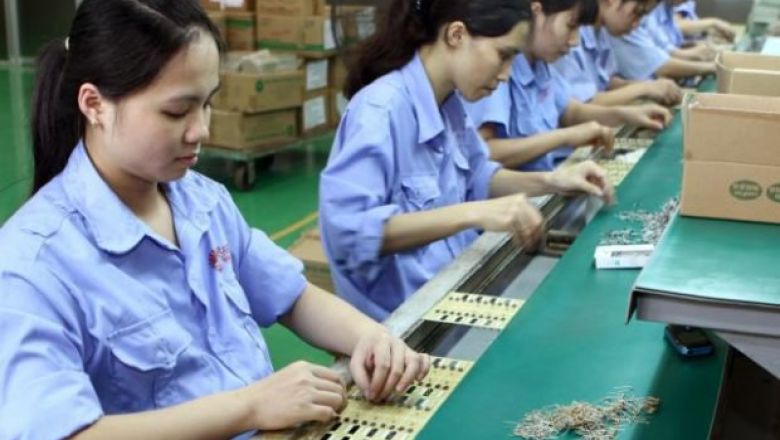
China-ASEAN Monitor


Photo Credit: Getty Images


Economy, Investment and Trade


ASEAN was China’s second-largest trade partner in 1H 2019
(21 July 2019) China-ASEAN trade grew 10.5% in the first half of the year totalling US$288 billion, while China-US trade fell 9% to US$254 billion, according to Chinese government trade data. ASEAN became China’s second-largest trade partner in the first half of 2019, overtaking the US for the first time since 1997. The growing trade ties between China and ASEAN has bode well for the Southeast Asian countries and will only continue to boost the global economy, said Thai banker Wichai Kinchong Choi in an interview with Xinhua. According to him, the Chinese market has become ever more important to ASEAN over the years and vice versa.
Read more>>

Myanmar records 150% increase in FDI inflows from China and Hong Kong in 1H2019
(18 July 2019) Myanmar recorded a 79% year-on-year increase in FDI inflows in the first half of 2019 totalling US$2.35 billion, led by a 150% increase in inflows from mainland China and Hong Kong totalling US$590 million, according to the Myanmar Directorate of Investment and Company Administration (DICA). Chinese and Hong Kong finance accounted for 84 of the 134 newly approved investments during the period. FDI from Singapore, where many international companies base their regional operations, grew nearly three times to reach US$1.3 billion during the period. The ongoing US-China trade war also appears to have contributed to the surge in Myanmar’s FDI, as manufacturers from China and other countries — primarily in the garment industry — shifted their production base to Southeast Asian countries such as Myanmar.
Read more>>

Myanmar-China border economic zone in Kanpaiktee in the pipeline
(17 July 2019) Plans are underway to develop an economic zone on the Myanmar-China border in Kanpaiktee, deputy commerce minister Aung Htoo said. According to him, the economic zone is expected to widen bilateral trade cooperation and boost border trade between China and Myanmar, such as through the development of schemes to promote investment in Myanmar’s industries and tourism sectors. Myanmar commerce minister Dr Than Myint, for his part, said that the Kanpaiktee project is one of three Myanmar-China joint economic zones that will be constructed, with the other two being zones in Muse and Chin Shwe Haw.
Read more>>

China to impose anti-dumping tax on stainless steel from Indonesia
(22 July 2019) China announced that it will impose anti-dumping tariffs effective July 23 on certain types of stainless steel product imports from Indonesia, South Korea, Japan and the EU. According to the Chinese Ministry of Commerce, the decision to impose anti-dumping duties ranging from 18.1% to 103.1% was made following investigations that found that dumping activity by certain parties had caused substantial damage to the local Chinese industry. These duties will be applied to stainless steel billets and hot-rolled stainless steel plates, both of which are commonly used as raw material to produce cold-rolled stainless steel products or in shipbuilding, containers, rail, power and other industries.
Read more>>

Malaysia ready to talk to China regarding recent seizure of pipeline project funds
(18 July 2019) Malaysia is open to holding discussions with the Chinese government regarding its recent seizure of US$242.85 million from state-owned China Petroleum Pipeline Engineering Ltd (CPP)’s bank account, said Malaysian Prime Minister Mahathir Mohamad. According to the premier, the decision to order HSBC Bank Malaysia to transfer the funds from CPP’s bank account to the Malaysian government comes nearly a year following the Mahathir administration’s decision to suspend two gas pipeline projects worth US$2.3 billion which were originally awarded to CPP. Mahathir also said that the Malaysian government was entitled to reclaim the funds since only 13% of the work had been completed, while 80% of the total project cost had been paid.
Read more>>

CARI Captures 413


SINGAPORE

Singapore exports continue decline with 17.3% plunge in June
(17 July 2019) Singaporean exports recorded its fourth consecutive month of double-digit decline in June as non-oil domestic exports saw a 17.3% year-on-year drop in June, according to the latest Enterprise Singapore data. The city state’s 15.9% drop in exports in May failed to put a damper on economists’ outlook, as those polled by Bloomberg predicted that June’s exports would only see a 9.6% drop. The drop was largely fueled by a continued decline in electronic exports such as integrated circuits, personal computers and disk media products, which contracted 31.9% in June after contracting 31.6% in the previous month. Non-electronic exports also suffered the same fate due to lower gold, petrochemical and pharmaceutical shipments as it recorded a 12.4% year-on-year drop in June, down from 11.1% in May. All in all, Singapore’s total trade in June recorded a 7.2% drop.

VIETNAM, MALAYSIA

Vietnam, Malaysia trade drops 6.2% in the first half of 2019
(15 July 2019) Trade revenue between Vietnam and Malaysia saw a 6.2% year-on-year drop reaching only US$5.48 billion in the first half of 2019, according to the latest figures from the Vietnamese trade office in Malaysia. According to the trade office, Vietnam’s export revenue dipped 2.6% to US$1.95 billion, while its import revenue dropped 8.1% to US$3.5 billion. The plunge is led by a drop in petrol imports (41.6%), machinery and spare parts (20%), animal and vegetable oil (14%), and material plastics (11.2%). However, import revenue for household electrical appliances and accessories bucked the trend as it increased 8.7%. Furthermore, most of Vietnam’s major exports to Malaysia also declined, including computers, electronic products and accessories (25.3%), telephones (30.2%), crystal and crystal products (24.4%). However, exports of other products such as machineries and accessories, transport vehicles and fisheries increased. In June alone, trade between both countries was US$806.6 million, down 14.6% over the same period last year.

SINGAPORE, VIETNAM

Singapore, Vietnam form joint business council to strengthen ties
(16 July 2019) The Singapore Business Federation (SBF) and Vietnam Chamber of Commerce and Industry (VCCI) announced on July 16 the establishment of the joint Vietnam-Singapore Business Council (VSBC) to intensify their cooperation. The VSBC, which also held its inaugural meeting in Hanoi on the day of the launch, aims to facilitate business opportunities between both countries, share research and best practices to promote economic cooperation, and make joint recommendations on such matters to both governments. According to SBF, the association is eyeing partnerships in five priority areas: urban development, energy, consumer, industry 4.0 and manufacturing, and startups and innovation. Meanwhile, the International Monetary Fund (IMF) has trimmed its growth forecasts for Singapore from 2.3% to 2%, and Vietnam from the country’s 10-year high of 7.1% in 2018 to 6.5% in 2019 — both due to weakening external conditions caused by global trade tensions.

MALAYSIA

Malaysia sees US$7.12 billion in FDI inflows in Q1 2019
(15 July 2019) Malaysia recorded a 73.6% year-on-year increase in foreign direct investment (FDI) inflows in the first quarter the year totalling US$7.12 billion (RM29.3 billion), international trade and industry minister Darell Leiking said in response to a question in parliament. He added that this sum represents 54.4% of the total investments approved during the first quarter, with domestic investments accounting for the remaining 45.6% at US$5.98 billion (RM24.6 billion). The lion’s share of the quarter’s FDI went to the manufacturing sector (US$4.9 billion) and services sector (US$197 million). According to Leiking, the ministry has been ramping up efforts to promote Malaysia as an investment destination to cushion the negative effects resulting from the US-China trade war.

INDONESIA

Structural reforms needed for the Indonesian economy to grow above 5.5%
(16 July 2019) Indonesia’s economy can only grow between 5.0-5.5% in the short term based on current productivity levels and the country risks falling into the middle-income trap, finance minister Sri Mulyani Indrawati told the House of Representatives on July 16. To avoid this, she said, Indonesia must find ways to grow at above 6% annually, such as through structural reform policies aimed at increasing the country’s production capacity, simplifying regulations for doing business in the country, and developing local human capital. Meanwhile, the Indonesian statistics bureau reported on July 15 that the country recorded a narrower-than-expected trade surplus of around US$200 million in June, as imports rose 2.8% year-on-year to US$11.58 billion and exports fell 8.98% to US$11.78 billion. Statistics bureau chief Suhariyanto attributed June’s weak numbers to the holidays at the end of the Muslim fasting month of Ramadan.

THE PHILIPPINES

Government crafting EO to rationalise port fees imposed on importers
(16 July 2019) The Philippines’ government is currently drafting an executive order (EO) to be signed by President Duterte that will grant one public agency — either the Maritime Industry Authority or the Philippine Ports Authority — with the mandate to address port issues, trade secretary Ramon M. Lopez told local media on July 15. According to Lopez, the EO will also provide more comprehensive provisions to better tackle port congestion and regulate shipping rates. He stressed that while the EO will not impose a price cap on shipping operators, it will enable the authority to enforce a price range for specific shipping charges and slap penalties on operators who violate said range. According to a study by Lopez’s ministry and the World Bank, the Philippines has the highest logistics cost in Southeast Asia, with businesses in the country allocating around 27.16% of their revenue on logistics costs — as opposed to 11.11% in Thailand, 16.3% in Vietnam and 21.4% in Indonesia.

MALAYSIA, INDONESIA

Malaysia, Indonesia to challenge EU’s biofuel regulation at WTO
(16 July 2019) Malaysia and Indonesia reiterated their commitment to challenging the European Union’s directive to limit the use of palm oil in biofuels at the World Trade Organisation (WTO) and through other possible legal avenues, according to a statement published by the Malaysian Ministry of Primary Industries on July 16. The statement, which was published following the 7th Ministerial Meeting of the Council of Palm Oil Producing Countries (CPOPC), also said that the council has proposed the establishment of a joint CPOPC-EU palm oil working group to engage palm oil-producing countries and coordinate responses to the EU’s directive. Besides that, the group also agreed to keep the maximum contaminant level of 3-Monochloropropanediol (3-MCPDE) at 2.5 ppm for all vegetable oils to ensure safe consumption. According to the ministry, all palm oil-producing countries have been invited to attend the Second Ministerial Meeting of Palm Oil Producing Countries to be held in Kuala Lumpur on November 18.

MYANMAR

Myanmar’s US$400 million stock market to open to foreigners
(14 July 2019) The Securities and Exchange Commission of Myanmar (SECM) announced on July 12 that foreign individuals will soon be allowed to invest in the stocks listed on the Yangon Stock Exchange (YSX) by up to 35%. However, no date was given as to when this new regulation will take effect, although trading is expected to start by year-end. It is also unclear whether both resident and non-resident foreign individuals will be allowed to trade on the YSX. According to local analysts, the move will no doubt spark interest among retail investors in Yangon, but institutional investors (including global assets and fund managers) will likely only be interested when there are more listings on the exchange. According to the Myanmar Times, there are only five companies listed on the YSX as of the date of the SECM’s notice.

CAMBODIA

Foreigners to be barred from employment in 10 types of jobs
(16 July 2019) The Cambodian Labour Ministry announced on July 15 that the government will soon enforce regulations barring foreign individuals from working in 10 types of jobs to promote and prioritise the employment of Cambodian citizens. According to labour ministry spokesperson Heng Sour, the 10 categories of work can be broadly split into two classes. Firstly, informal work or self-employment such as running a small business, driving taxies, tuk-tuks or rickshaws, and working as a barber, street vendor or courier. The second category consists of managerial positions in human resources and administration in private institutions and enterprises. Furthermore, foreigners will be required to pay US$180 per year for long-term visas, US$130 per year for an employment book or card, and another US$50 per year for a foreign employee quota application — thus generating US$360 in government revenue each year for every foreigner seeking work in Cambodia.

VIETNAM

Vietnam aims to become ASEAN’s leading digital economy by 2030
(13 July 2019) The Vietnamese Authority of Information Technology Application (AITA) has been tasked with the drafting of a national digital transformation proposal that aims to position the country as the leading digital economy in ASEAN by 2030, according to AITA director Nguyen Thanh Phuc. Under the proposal, which will be submitted to the Ministry of Information and Communications in November, Vietnam will aim to grow its digital economy by 20% each year, grow its labour productivity by 7-10% by 2030 and have everyone using mobile payment services by 2030. According to Phuc, the roadmap will be implemented in three phases: (i) digitalisation of key sectors from 2020-2022, (ii) digital transformation to boost labour productivity and competitiveness from 2023-2025, and (iii) development of a mature digital economy and society from 2026-2030.

Hope in China’s New Silk Road

Hope in China’s New Silk Road
Originally published in World Energy Magazine, N.43 edition.

At the 2nd Belt and Road Forum (BRF) in Beijing at the end of April, attended by 150 countries, 37 of whom were represented by their leaders, China addressed many of the criticisms against its Belt and Road Initiative (BRI).

China has had to do battle on two fronts over its BRI, an ambitious global project for connectivity and infrastructure development announced in 2013. The first criticism is that the BRI is China’s masterplan to dominate the world. The second, not unrelated, and more empirically demonstrable, is that project terms lead to a debt trap exposing countries to that domination by China.

China is fighting hard to push the BRI forward despite evidence of countries caught in the debt trap. In doing this it had until recently taken the usual hard line of ignoring the opposition but, running into the BRF, there were indications China was more willing to argue and make its case, as well as review terms of project implementation.

Before the BRF, China made a diplomatic effort to get the BRI accepted in Europe. There was a limited success as Italy signed on, the first among G-7 countries, but Chinese leader Xi Jinping’s visit to France in March failed to achieve EU endorsement. President Macron invited German Chancellor Merkel and European Commission President Juncker to join him in meeting President Xi to show a largely united European front, even if Italy was a significant economy that had broken ranks. Europe maintained its position the BRI had not met international norms in its execution.


Doubts raised in Malaysia

But it was in Southeast Asia, China’s economic backyard, that the BRI was particularly tested. The banner RM65.5 billion East Coast Rail Link (ECRL) BRI project in Malaysia was suspended by the new government that came to power in May 2018. Against a background of extensive corruption in the previous government, Malaysia questioned the cost and financial terms of the ECRL, suggesting the state-owned China Communications Construction Co, Ltd (CCCC) was complicit in an arrangement with then Prime Minister Najib Razak’s liabilities arising from his corrupt practices.

This arrangement inflated the cost of the project, and returning Prime Minister Mahathir Mohamad was not having any of it. By the new government’s calculation, the country would have been saddled with a debt of RM130 billion under the financial terms, which included an obligation to make payments off-shore for the loan with China’s EXIM Bank according to a set timetable, rather than work progress. Actually RM3 billion had already been paid to CCCC with hardly any progress of work, giving rise to questions of what the payments were for.

The previous Malaysian government had been voted out primarily because of deep and extensive corruption best illustrated by the now well-known 1Malaysian Development Berhad (1MDB) scandal. The link of the ECRL terms’ with interest payments in that scandal was suspected. Indeed there were two gas pipeline projects involving the China Petroleum Pipeline Bureau costing RM9.4 billion that involved similar payment terms according to timeline and not work progress, which were terminated by the new Malaysian government. RM8.25 billion, or 88% of total project cost, had been paid when only 13% of the work was completed.

Prime Minister Mahathir and his government were embarked on a great cleanup, more important to Malaysia than whatever the BRI may be to China. The previous Prime Minister Razak had left the government with financial liabilities which, if not addressed, would lead the country to bankruptcy. It could not afford to accept the burdens of BRI projects so important to China which would lead Malaysia to financial distress. The suspension of the ECRL and termination of the two gas pipeline projects were seen to be in Malaysia’s best interest.

All the debt trap arguments against the BRI come to mind. But it must not be forgotten that corrupt national leaders make it possible for their country to be sold out to benefit themselves or to resolve the demands arising from a governing kleptocracy.

Malaysia is fortunate that the costly ECRL project had not proceeded too far down the road. In the case of Hambantota Port Development Project in Sri Lanka it was too late to avoid the ceding of a 99-year lease of the port to China following a huge debt default. With respect to the China-Pakistan Economic Corridor, contested by India for its perceived security threat, the contract is so far advanced that China refuses to renegotiate despite the request of the new government elected this year.

Nevertheless even in Malaysia it was no easy thing to renegotiate the ECRL deal, both to make it financially sustainable and to do it while saving Chinese face. Finally a supplementary agreement was reached, after months of negotiation. The total cost per kilometer of the rail line linking the east coast of peninsular Malaysia with the west was reduced by over 30% with a slightly shortened track (648km) and new alignments which saved a 16 km Quartz Ridge, the longest pure quartz dyke in the world as well as reduced tunneling through silica of the country’s main mountain range.


Diplomatic efforts to revise the agreement

The whole reset was a delicate matter, as overall Malaysia-China relations had to be secured and preserved. In fact China was upset when, on coming to power, the new government in Malaysia heavily criticised the one-sided and suspect BRI pipeline and ECRL agreements. It took careful diplomacy and delicate renegotiation to arrive at a supplementary ECRL deal which was described as a win-win for both parties.

Prime Minister Mahathir’s tense and difficult visit to Beijing in August last year, after he had described the BRI agreements in Malaysia as “unequal treaties”, and when he informed China’s leaders that the ECRL project was suspended and needed renegotiation, was a far cry from his celebratory attendance at the BRF in April this year. Malaysia’s interest was protected and the ECRL BRI project was saved.

Mahathir was accorded a warm welcome and honoured with being invited to make one of the few non-Chinese presentations at the forum wherein he applauded the visionary BRI for bringing development to less advanced countries if the best terms were observed. President Xi in his opening address conceded that there were issues in BRI implementation and promised care in the future to ensure financial sustainability as well as environmental protection. Of course this was not the result of the ECRL only. It was a reaction to relentless criticism of BRI project terms and insufficient respect for the environment. Nevertheless, the Malaysian ECRL case would be a useful case study for how to get out of a tight spot without upsetting the whole applecart of overall relations with China.

At the bottom of it all is the matter of host country corruption. When Chinese companies see the opportunity, they seize it. This can result in deep losses for the country where the BRI is supposed to bring benefit, exposing future generations to financial burdens in unsustainable projects. If best practices are adhered to, particularly transparency, the corrupt host country politicians and Chinese companies would not get away with it.

At the BRF, Xi promised all this would change. It might be useful to ensure this by having open tenders, well scrutinised review of the commercial and financial proposals, as well as environmental impact studies, before agreements are finalised. There also has to be close monitoring in the execution of projects to ensure adherence on the ground to the terms on paper.

The Master Plan on Connectivity and Vision 2030

In Southeast Asia, under the Masterplan on ASEAN Connectivity (MPAC 2025), there are five guiding principles, of which two – sustainable infrastructure and regulatory excellence – are relevant to ensuring projects embraced do not become a financial and environmental burden or disaster. The other principles are digital innovation, seamless logistics and people mobility. Meanwhile, last November in Singapore, the ASEAN-China Strategic Partnership Vision 2030 was adopted, which, among other things, enjoined both sides to “strengthen anti-corruption through relevant mechanisms.”

Vision 2030 also called for the common priorities of the BRI and MPAC 2025 to be synergised. If these declarations are to mean anything, and China’s statement at the BRF is to be taken at its word, it would surely make sense for ASEAN and China to get together to make BRI projects work for all parties, without the kinds of problems, just in the region alone, which plagued the ECRL, caused the Yangon-Mandalay railway project to lapse, the Jakarta-Bandung High Speed Rail plan to continue to be unfulfilled, and the Vientiane-Kunming Rail Link costing US$6 billion – 40% of the GDP of Laos – to be a matter of concern.

A survey last year found that of 1,814 initiatives that could be counted as BRI projects in 78 countries 270 had been cancelled, stalled or lapsed – a 15% failure rate. Worse, in terms of value it was 32% failure. This is not good for such a promising and visionary initiative. It falls on ASEAN and China to increase the success rate in Southeast Asia with their close economic relations and many commitments to deepen them, including in connectivity and infrastructure development through the BRI.

With Beijing’s greater openness to address shortcomings in BRI project execution, it is timely that ASEAN should engage China, on a matter which all agree, unlike the South China Sea disputes, to achieve a positive outcome. The region has been under-investing in infrastructure since the 1998 Asian financial crisis. According to AMRO (ASEAN Plus 3 Macroeconomic Research Office) the rate of investment has been 2.5% of GDP when it should be 6%.


The scepticism of the EU and the opposition of the US

BRI success in Southeast Asia will have a good demonstration effect to achieve acceptance elsewhere, particularly in the EU which continues to be sceptical but would wish to participate if BRI project implementation meets international norms and best practice – as China proclaims now would be the case.

There remains American objection to the BRI as this grand plan by China for global domination through debt trap diplomacy. If the debt trap is removed, one wonders how the BRI would be viewed. When China initiated the Asian Infrastructure Investment Bank (AIIB), which was established in 2016, the American objection was that it would not measure up to international standards of project finance. The bank, on the contrary, has actually been quite conservative and now has 70 members, including some of America’s closest allies.

The US is isolated on the AIIB. Would it be similarly isolated on the BRI should the initiative turn out for the better? The US must not be seen as the stick in the mud. It has not done well in responding to the rise of China. In the region, it is China that is setting the agenda, with the US standing on the sidelines, always advising countries not to go along with the rising power but with no clear counter-strategies of its own.

Southeast Asian countries are less enamoured of the geopolitical consequence of the BRI than they are of its economic benefit through infrastructure development and improved connectivity. While most would prefer an American presence in the region to balance China’s, they see the US, with its unpredictable engagement and policies, falling behind, and with no developmental initiative of any kind.

It is not that Southeast Asian countries have succumbed to China, but its extensive economic presence is a reality. China is deeply engaged with the region. Initiatives such as the BRI have great value to these countries, whatever the shortcomings exposed, which now are promised to be addressed.

They must seize the moment to make the BRI truly work for their economies by having honest leaders who will collaborate with China – or any other party for that matter – in a transparent manner which measures up to best international practice and norms.

Mekong Monitor


Photo credit: Vietnam News/Asia News Network


TRADE, ECONOMY, AND INVESTMENT


VIETNAM

Private sector minimum wage set to rise 5.5% next year
(15 July 2019) The minimum wage in Vietnam’s private sector is set to rise by 5.5% starting in 2020 following negotiations held by the National Wage Council on July 11. According to local media, the minimum wage for workers in urban Hanoi and Ho Chi Minh City will rise to US$190.3 (4.42 million dong); US$168.8 (3.92 million dong) in rural Hanoi and Ho Chi Minh City, Can Tho, Da Nang and Hai Phong; US$147.8 (3.07 million dong) in the provincial cities and districts of Bac Ninh, Bac Giang and Hai Duong; and US$132.3 in the rest of the country. Vietnam’s National Wage Council comprises 15 members, with three representatives each representing the State, employers and employees. Nevertheless, the Vietnamese Chamber of Commerce and Industry (VCCI) argued that there was no need for an increase in the minimum wage since the current rate already meets 95% of the labour force’s minimum living standards. Such an increase, they said, would increase business expenditure and affect their performance.
Read more>>

LAOS

Bank lending in Laos moderates amid economic dip
(16 July 2019) Credit growth in Laos continued to slow in the second quarter of 2019 as it recorded only a 3.13% growth, signalling a moderation in the injection of bank credit into the country’s economy. The figure represents only 46.32% of Laos’ GDP, far lower than the 55% GDP target set by the National Assembly. Lao planning and investment minister Souphan Keomixay attributed the decline in bank credit growth to three factors: insufficient capital funding and ineffective lending practices by some commercial banks (with some banks having more debts than anticipated), underperforming state banks who are unable to compete with private banks, and the effects of informal lending. Asian Development Bank economist Rattanatay Luanglatbandith, for his part, attributed the decline to a drop in demand due to the government’s budget expenditure tightening measures which included suspending salary increases for public servants. Blame has also been attributed to the government’s decision to phase out many state-funded projects.
Read more>>

CAMBODIA

Plans to revive airport in northeast bordering Laos to revitalise development
(17 July 2019) The Cambodian government is mulling the revival of an old airport in the northeastern Steung Treng province as part of its plans to resuscitate development in areas bordering Laos, said State Secretariat of Civil Aviation spokesman Sinn Chanserey Vutha. According to the spokesman, the Steung Treng airport is one of three northeastern airports being considered for revival, with the other two being the Mondulkiri and Ratanakiri airports. However, the main barrier to the revival of the airport is financing, which requires up to US$50 million for the rehabilitation and construction of infrastructure required to accommodate larger aircrafts. The Steung Treng airport, which was closed in 2003, currently has one runway and a helipad which is still used occasionally by officials visiting remote areas in the northeast.
Read more>>

CAMBODIA, LAOS, VIETNAM

Cambodia, Laos, Vietnam agree to intensify tourism connectivity
(15 July 2019) A meeting discussing tourism cooperation between the three Mekong countries held in Vietnam’s second largest province Gia Lai on July 15 concluded with all sides agreeing to pursue greater cooperation in the development of sustainable tourism and tourism connectivity in the Cambodia-Laos-Vietnam (CLV) Development Triangle Area. During the meeting, representatives from the Vietnamese side expressed their hope that greater connectivity and cooperation would help promote tourism development in smaller localities, while Lao representatives noted the need to develop the industry’s human resources and diversify its tourism offerings. According to Vietnam’s National Administration of Tourism, the CLV Development Triangle Area, which was created in 1999, welcomed 860,000 foreign visitors in 2018.
Read more>>

VIETNAM, LAOS

Vietnam, Laos foster cooperation in deposit insurance
(17 July 2019) The Deposit Insurance of Vietnam (DIV) and Depositor Protection Fund of Laos’ (DPF) reviewed their cooperation last year and discussed possible cooperation areas during a meeting held recently. During the meeting, the Lao protection fund also expressed its interest in learning from the Vietnamese side’s experience in capital management, deposit data collection, as well as the management of information data, internal network systems and human resource management. The Vietnamese side, for their part, suggested that they continue exchanging experiences especially with regards to data exchanges and supervision of member banks under their purview, in accordance with the International Association of Deposit Insurers (IADI) Core Principles for Effective Deposit Insurance Systems.
Read more>>


mekong-monitor-map

About Greater Mekong Subregion (GMS)

The Greater Mekong Subregion (GMS) Economic Programme was launched by the Asian Development Bank in 1992 connecting five developing ASEAN countries, namely Cambodia, Laos, Myanmar, Vietnam and Thailand, and Chinese provinces of Yunnan and Guangxi Zhuang Autonomous region. The region has some of the most robust economies sharing the Mekong River Basin thanks to its reform and liberalisation. The subregion is growing at a faster pace than the whole of East Asia and the Asia Pacific as the GDP growth rate for 2017 was at 6.4 percent, according to the World Bank. The population at the subregion as of 2016 is at 340 million while the GDP at PPP is at US$3.1 trillion in 2016. In 2015, trading within the region was at US$444 billion.

China-ASEAN Monitor


Photo Credit: iStock


Economy, Investment and Trade


Chinese venture capital investment in ASEAN surges fourfold
(10 July 2019) Chinese venture capital investment in Southeast Asian technology companies grew fourfold in the first half of 2019 reaching US$667 million, up from US$148 million during the same period the year before, according to Refinitiv data. Moreover, total venture capital investment in the region reached US$3.4 billion during the period, representing an over 300% year-on-year increase. According to a Chinese venture capital firm practitioner, the Southeast Asian market is especially attractive given its high mobile internet penetration and burgeoning digital economy. On the other hand, China’s mobile internet growth has reached maturity and is slowing down. As such, Chinese firms and investors are looking at Southeast Asia as their next market.
Read more>>

Cambodian bourse launches Chinese version of mobile trading system
(12 July 2019) The Cambodia Securities Exchange (CSX) launched on July 12 a Chinese version of its Mobile Trading System (MTS) as part of its efforts to encourage Chinese investors to trade on the CSX. According to the Cambodian bourse’s market operations head Kim Sophanita, the Chinese version was made in response to feedback from Chinese investors who said that they were unable to utilise the MTS as it was only available in Cambodian and English. Now, Chinese investors will be able to trade CSX stocks and access market data in their native language through the MTS. The MTS allows investors to trade stocks conveniently. The CSX, which was launched in 2012, currently lists five companies and two corporate bond issuers.
Read more>>

Indonesian businesses urge government to raise tariffs on Chinese steel
(12 July 2019) Indonesian steelmakers called on the government to raise tariffs on Chinese steel imports and protect the domestic steel industry. The calls come as Indonesia’s largest steelmaker Krakatau Steel announced last week that it intends to cut 30% of its current workforce in stages and sell non-core assets in the coming year to improve its financials. Krakatau Steel has been reporting losses since 2012 and it reported a net loss of US$62.3 million in the first quarter of 2019. According to the Indonesian Iron & Steel Association (IISIA), local steelmakers produce 17 million tonnes of steel each year, but only 57% is absorbed by the market. Furthermore, half of the current 20.3 million tonnes required domestically is supplied by foreign firms, with the bulk of imports coming from China. According to the IISIA, local contractors prefer Chinese steel because of its low prices, which Chinese steelmakers are able to offer because of tax incentives provided by Beijing.
Read more>>

China-led Kyaukphyu deep-sea port project in Myanmar inches ahead
(15 July 2019) Myanmar’s Kyaukphyu deep-sea port project began conducting the environmental and social impact assessment and preliminary geological survey required to move the project forward earlier this month. The assessments come eight months after the Myanmar government signed a framework agreement with a consortium of four companies led by Chinese state-owned CITIC Group Corporation to develop a deep-sea port in Rakhine state’s Kyaukphyu Special Economic Zone under China’s Belt and Road Initiative (BRI). Nevertheless, the fate of the project remains in question, despite the Myanmar government’s success in renegotiating the project’s total cost from US$7.5 billion to US$1.3 billion and its shareholding ratio from 15% to 30% last year. The project is expected to continue to face public backlash due to its perceived lack of transparency and the Rohingya crisis in Rakhine state.
Read more>>

Thai fruits and vegetables exports to China record 31% y-o-y increase in first five months of 2019
(10 July 2019) Thailand’s exports of fruits and vegetables to China recorded a 31% year-on-year increase reaching US$1.2 billion in the first five months of 2019, according to data published by the Thai Trade Negotiations Department. Fruit exports saw a 123% year-on-year increase as it accounted for US$838.61 million of the sum, while vegetable exports dipped by 33% accounting for US$361.08 million. According to the Thai trade negotiations department head Auramon Supthaweethum, Thai exporters continue to benefit from the ASEAN-China Free Trade Area which first came into force in 2003. Last year, Thailand recorded a 1,312% increase in export value of fruits and vegetables shipped to China totalling US$1.93 billion, making China the country’s third largest export market for fruits last year after Hong Kong and Chile.
Read more>>

CARI Captures 411


VIETNAM-EU

Vietnam, EU sign landmark free trade deal
(30 June 2019) Vietnam and the European Union (EU) inked the landmark EU-Vietnam Free Trade Agreement (EVFTA) on June 30, making it the second ASEAN member to do so. The agreement effectively eliminates 99% of tariffs between the countries, although certain tariffs will only be phased out over a ten-year period and certain goods will be limited by quotas. The agreement, which was in negotiation for over three years, was signed in Hanoi by EU trade commissioner Cecilia Malmstrom and Vietnamese industry and trade minister Tran Tuan Anh. The EU, for their part, called the EVFTA “the most ambitious free trade deal [it has] ever concluded with a developing country.” Vietnamese minister Tran Tuan Anh, for his part, penned an article outlining the benefits of the EVFTA, which he says is not only limited to opening up new markets for Vietnamese goods, but also provides improved regulations for the development of services, investments, public procurement, e-commerce, intellectual property rights, state-owned enterprises and sustainable development. The EU is Vietnam’s second-largest export market after the US, with main exports including garment and footwear products.

VIETNAM-US

US slaps import duties of more than 400% on Vietnam steel
(2 July 2019) The US Commerce Department announced on July 2 that it has imposed tariffs of up to 456.23% on steel imports from Vietnam that were originally produced in South Korea and Taiwan as part of the department’s crackdown on what it considers to be tariff evasion by steel producers from the two countries. More specifically, the tariffs will apply to steel produced in South Korea or Taiwan that are then shipped to Vietnam for minor processing, before being exported to the US as corrosion-resistant steel products and cold-rolled steel. US President Donald Trump described Vietnam as “almost the single-worst abuser of everybody” as he vowed to crack down on parties abetting companies rerouting their goods through Southeast Asian countries such as Vietnam and Cambodia in order to circumvent US tariffs on their country of origin. The Vietnamese Ministry of Foreign Affairs did not respond to a news outlet’s request for comment, while the US Embassy in Hanoi said this week that it hopes the Vietnamese government will “take steps in the near term to address our concerns in a constructive manner.”

CAMBODIA

Cambodia launches National Single Window
(1 July 2019) The Cambodian Ministry of Economy and Finance in a statement dated June 25 launched its National Single Window (NSW) facility to boost the country’s trade capabilities and to further align its trade procedures in accordance with the ASEAN Single Window and ASEAN Economic Community 2015. With this, parties trading with and transporting to Cambodia can submit a set of standardised documentation at a single entry point to fulfil all import, export and transit-related regulatory requirements. Furthermore, the NSW also began issuing the ATIGA e-Form D on June 28 — a certificate of origin for exports and imports within ASEAN to help expedite the electronic exchange of customs data between ASEAN countries, thus enhancing trade efficiency among ASEAN members. The launch of the NSW was well received by the Cambodia Freight Forwarders Association, who said that the NSW will help significantly reduce the required paperwork and tackle corruption since an electronic system removes the need for a middle man.

ASEAN

ASEAN manufacturing index falls as operating conditions worsen
(2 July 2019) Southeast Asia’s manufacturing employment fell at its quickest pace in 20 months while manufacturing output continued to decline in June, recording only 49.7 in June on the IHS Markit Purchasing Managers’ Index (PMI), down from 50.6 in May. However, the agency noted that while Southeast Asia as a whole recorded its first slowdown in four months, five of the seven countries in the region that it monitors continued to report even stronger output. Of the five countries, Myanmar’s manufacturing sector recorded the strongest growth at 53.0, Vietnam recorded 52.5, while growth slowed in the Philippines (51.3), Thailand (50.6), and Indonesia (50.6). Meanwhile, Malaysian manufacturing saw its ninth consecutive month of deterioration (47.8), while Singapore saw a sharp drop (42.9). According to IHS Markit economist David Owen, the region’s weak growth in June can be attributed to weak demand and falling employment, in line with ongoing struggles in the global manufacturing industry.

INDONESIA-ROK

Indonesia and South Korea hope to ink trade agreement by November
(28 June 2019) South Korea and Indonesia are in negotiations on a Comprehensive Economic Partnership Agreement (CEPA) which they hope to sign by November during the ASEAN-ROK summit on November 25, South Korean President Moon Jae-in said. Moon’s comments were made during his bilateral meeting with Indonesian President Joko Widodo on the sidelines of the recent G20 Summit. According to Moon, the CEPA will not only carry the benefits of a bilateral free trade agreement but also include provisions that will broaden bilateral economic cooperation beyond trade. Moon also expressed particular interest in leveraging South Korea’s technological capabilities to partner with Indonesia on infrastructure development, as well as on other joint projects such as the development of a next-generation fighter jet. Separately, South Korean finance firm APRO Financial Co Ltd. announced that it will soon merge with Bank Oke and Bank Dinar Indonesia in an expansion plan that would involve acquiring 19 existing Bank Oke branches across Indonesia and opening 50 new branches in the next three years, thus enabling APRO to serve Indonesia’s retail, wholesale and small and medium enterprise (SME) sector.

INDONESIA-JAPAN

Indonesia, Japan aim to sign new economic partnership agreement this year
(3 July 2019) Indonesian trade minister Enggartiasto Lukita shared on July 3 that President Joko Widodo also held talks with Japanese Prime Minister Shinzo Abe on the sidelines of the G20 Summit, during which both sides agreed to expedite negotiations on their new bilateral economic partnership agreement — the General Review Indonesia-Japan Economic Partnership Agreement (GR-IJEPA) — and have it signed by year end. Both sides also agreed to work towards finalising the Regional Comprehensive Economic Partnership (RCEP) this year. Separately, Toyota announced on June 29 that it will invest around US$1.9 billion in Indonesia from now till 2023 to boost the company’s hybrid car production capacity and prepare for the future growth in demand for electric vehicles. The move follows Toyota’s 2017 announcement that it was aiming for electric vehicles to account for over half of its global sales by 2030. The company manufactured around 200,000 cars in Indonesia last year.

INDONESIA-INDIA

Indonesia, India aim for US$50 billion in bilateral trade by 2025
(29 June 2019) Indonesian President Joko Widodo and Indian Prime Minister Narendra Modi held bilateral talks on June 29 on the sidelines of the G20 Summit, which concluded with both sides agreeing to aim to reach US$50 billion in bilateral trade by 2025, according to the Indian Ministry of External Affairs. The leaders also discussed ways to elevate bilateral cooperation, especially in the areas of trade, investment, defence and maritime security. According to the Indonesian government, trade between India and Indonesia rose reached US$18.13 billion in 2017, up 28.7% from US$12.9 billion in 2016. Meanwhile, Indonesia’s exports to India reached US$14.08 billion in 2017, while its imports from the same reached US$4.05 billion.

THE PHILIPPINES-FRANCE

PH, France look to boost economic cooperation
(30 June 2019) Filipino trade and industry secretary Ramon M. Lopez hosted a business delegation from France led by French foreign affairs secretary of state Jean Baptiste Lamoyne for their 8th Joint Economic Commission (JEC) held in Makati City. While no specific agreements were signed during the meeting, both leaders concluded the meeting by signing the Summary of Discussions of the 8th JEC, which included several considerations to promote stronger bilateral relations between the countries. This includes greater cooperation in the fields of critical aerospace, auto-electronics, electronics design, shipbuilding, maritime, renewable energy, green technology, e-commerce, and research and development. The Philippines also raised the possibility of reviving direct flights between the countries, and invited France to help grow its startup and creative industries. The French delegation, for their part, encouraged the Philippines to hasten its economic liberalisation, particularly in its public service and retail trade sectors. Trade between the countries grew 52.43% in 2018 reaching US$2.64 billion, up from US$1.73 billion in 2017.

INDONESIA, MALAYSIA, THAILAND

World’s top natural rubber producers committed to developing Rubber City
(30 June 2019) The world’s and Southeast Asia’s three top natural rubber-producing countries are committed to the continued development of the Rubber City in the Indonesia-Malaysia-Thailand Growth Triangle (IMT-GT), said the IMT-GT’s regional cooperation head Firdaus Dahlan. According to Firdaus, the IMT-GT will focus on the development of downstream activities and the manufacturing of value-added products to boost rubber consumption and stabilise the price of rubber in the global market. To this end, a private sector-led project implementation team will be formed to explore opportunities in the growth triangle’s downstream rubber industry. There are presently four Rubber City sites: one each in Malaysia’s Kedah and Thailand’s Songkhla, as well as Indonesia’s Tanjung Api-Api and Sei Mangkei Special Economic Zone (SEZ). The three countries account for 66% of global natural rubber production.

ASEAN-G20

Thai PM submits resolutions from the ASEAN Summit to the G20
(29 June 2019) Thai Prime Minister Prayut Chan-ocha said that he, as this year’s ASEAN Chair, has submitted resolutions from the recent 34th ASEAN Summit to the G20 meetings held in Osaka on June 28-29. According to Prayut, most of the Southeast Asian bloc’s views were in line with that of developed and developing countries. He added that he also disagrees with the view that the G20 grouping does not place much importance on ASEAN, saying that the bloc may feel overlooked simply because the region has “very few regional conflicts,” with the exception of the South China Sea dispute. According to the Bangkok Post, Prayut also said that the EU is now willing to normalise ties and increase trade and investment with Thailand, since the country has “returned to democracy.”

CARI Captures 410


ASEAN

ASEAN leaders urged to work together to improve bargaining power globally
(23 June 2019) The 34th ASEAN Summit hosted by Thailand under the theme “Advancing Partnership for Sustainability” came to a close on June 23 with several notable outcomes. Speaking at a news conference after the summit, summit chair and Thai Prime Minister Prayuth Chan-o-cha emphasised the Southeast Asian bloc’s collective economic strength and its potential as a united bargaining unit in the global economy against the backdrop of an ongoing trade war between the world’s two largest economies. According to Prayuth, the conclusion of negotiations for the Regional Comprehensive Economic Partnership (RCEP) is at the top of the bloc’s agenda as they still hope to finalise the pact by the end of 2019. Other outcomes from the summit include the launch of the ASEAN Indo-Pacific Outlook — a five-page document that aims to serve as a guide for geopolitical cooperation in the region; calls for the de-escalation of tension in the South China Sea with plans for a first reading of the Code of Conduct negotiating draft this year; and, in the case of repatriation of the Rohingya population, “continued support for Myanmar’s commitment to… facilitate the voluntary return of displaced persons in a safe, secure and dignified manner.”

ASEAN

ASEAN to send envoys to India to address RCEP deadlocks
(24 June 2019) ASEAN economic ministers have agreed to send a delegation comprising representatives from Thailand, Indonesia plus ASEAN Secretary-General Lim Jock Hoi to engage with the Indian government in hopes of concluding negotiations over the Regional Comprehensive Economic Partnership (RCEP) as soon as possible. Thailand was selected as they are this year’s ASEAN Chair, while Indonesia is the country coordinator for RCEP negotiations. The decision was made during an ASEAN economic ministers meeting held on the sidelines of the 34th ASEAN Summit in Bangkok. According to Indonesian trade minister Enggartiasto Lukita, the troika will pursue meetings with Indian officials at the soonest with the aim of “substantially concluding” negotiations through the resolution of all market issues. Separately, a Trade Negotiation Committee (TNC) representing the Southeast Asian bloc left for Melbourne for the twenty-sixth round of RCEP negotiations on June 24. According to Thai Prime Minister Prayut Chan-o-cha, it is vital for the RCEP to be concluded this year as it would serve as both a buffer for ASEAN economies impacted by the ongoing trade tensions and a rallying call against global protectionism.

BRUNEI, INDONESIA, MALAYSIA, THE PHILIPPINES

Duterte pushes for more barter trade, flights and shipping routes among BIMP-EAGA members
(24 June 2019) Filipino President Rodrigo Duterte called for greater trade and connectivity between members of the Brunei-Indonesia-Malaysia-Philippines East ASEAN Growth Area (BIMP-EAGA) during the BIMP-EAGA summit held in Bangkok on June 24 on the sidelines of the 34th ASEAN Summit, which was also attended by the leaders of Brunei, Indonesia and Malaysia. He added that at present, only 16% of the 63 Priority Infrastructure Projects under the BIMP-EAGA Vision 2025 have been completed. Duterte also urged Malaysian Prime Minister Mahathir Mohamad to expedite ongoing negotiations for the institutionalisation of barter trade between the Philippines and Malaysia, as he believed that such a system would greatly improve the livelihoods and income of small communities along the country’s border, especially in the newly-established Bangsamoro Autonomous Region in Muslim Mindanao (BARMM).

INDONESIA, VIETNAM

Indonesia, Vietnam to speed up delimitation of exclusive economic zones
(24 June 2019) Indonesian President Joko Widodo and Vietnamese Prime Minister Nguyen Xuan Phuc’s meeting on the sidelines of the 34th ASEAN Summit in Bangkok concluded with both leaders agreeing to expedite ongoing negotiations related to the delimitation of their exclusive economic zones (EEZ), said Indonesian foreign minister Retno LP Marsudi. Furthermore, Retno shared that both sides have also agreed to restart discussions to develop a set of “provisional common guidelines” to prevent fishing incidents while negotiations over delimitation are ongoing. Indonesia’s EEZ delimitation talks with Vietnam is one of five ongoing border negotiations that the government is engaged in. This is in addition to talks that led to the Philippines’ ratification of a EEZ delimitation agreement with the country earlier this month, which established boundaries in the Mindanao and Celebes seas. According to Indonesian foreign ministry officials, the next step for Indonesia and the Philippines will be to negotiate the continental shelf lines in the same area, in order to demonstrate that the EEZ lines and the continental shelf lines are two different legal regimes.

THE PHILIPPINES, INDONESIA

PH, Indonesia seek to boost trade ties, narrow trade deficit
(24 June 2019) The Philippines’ trade secretary Ramon M. Lopez and Indonesian trade minister Enggartiasto Lukita’s meeting on the sidelines of the ASEAN Summit concluded with both sides agreeing to consider several trade requests from their bilateral counterpart and hold follow-up meetings in a month or two. According to Lopez, the Philippines is keen to narrow its trade imbalance with Indonesia and it hopes to do so by exporting more agricultural products such as shallots and bananas, alcoholic beverages, automotive parts for the Toyota Fortuner SUV, as well as the Mitsubishi Mirage G4 and Toyota Vios sedans when the Philippines becomes the regional production hub for these models. In return, Indonesia has asked the Philippines to review existing safeguards affecting its exports of coffee and ceramic products. Enggartiasto, for his part, said that both sides have agreed to form a small working group to increase bilateral trade. Trade between the countries reached US$1.8 billion in the first quarter of 2019, up from US$1.7 billion during the same period last year.

VIETNAM-ROK

Vietnam, South Korea to aim for US$100 billion in bilateral trade by 2020
(21 June 2019) Vietnamese Deputy Prime Minister (DPM) Vuong Dinh Hue’s working visit to South Korea concluded with both sides agreeing to reach for US$100 billion in bilateral trade by 2020, up from the US$68.3 billion recorded in 2018. Among the highlights of DPM Hue’s trip was his meeting with his South Korean counterpart Hong Nam-ki, who is also South Korea’s economy and finance minister. During the meeting, DPM Hong announced the South Korean government’s plans to establish a “cooperative centre” in Vietnam to boost the participation of South Korean companies in large-scale infrastructure projects in Vietnam and ensure that these projects are successfully implemented. Separately, the Philippines’ trade and industry secretary Ramon Lopez officiated the opening of the Korea-ASEAN Free Trade Agreement (FTA) Support Centre in Makati City on June 25. Speaking at the ceremony, Lopez said that both the South Korean and Filipino governments aim to conclude negotiations for their bilateral FTA by September and have it signed in November. Meanwhile, the Malaysian Ministry of International Trade and Industry announced on June 27 that it has initiated negotiations for a bilateral FTA with South Korea.

VIETNAM-EU

EU-Vietnam trade and investment agreements to be signed on June 30
(25 June 2019) The European Union and Vietnam will sign the EU-Vietnam Free Trade Agreement (EVFTA) on Sunday, June 30 in Hanoi after receiving the go-ahead from the EU Council of Ministers on June 25. The EVFTA, which was finalised in December 2015, comprises two parts: a Trade Agreement which only requires the Council’s approval and European Parliament’s consent, and an Investment Protection Agreement which must be ratified by all EU member states before it can come into force. Under the trade agreement, virtually all customs duties on goods traded between the parties will be eliminated, in addition to a significant reduction in regulatory barriers and overlapping red tape on both sides. For instance, EU companies will be able to compete for procurement tenders in Vietnam on an equal footing with domestic companies, while Vietnam’s textile and apparel exports will gain access to an even larger EU market. Furthermore, the investment protection agreement will provide — as its name suggests — greater protection for investments on both sides, with a new Investment Court System in place to enforce the agreed upon bilateral investment regulations.

LAOS

New trading license regulations for foreign enterprises
(26 June 2019) Foreign companies who are not registered in Laos and who wish to import goods from or export goods to Laos will need to apply for a trading rights license from the Lao Ministry of Industry and Commerce’s Department of Import and Export beginning June 27. The new regulations came into force after a ministerial decision authorised by industry and commerce minister Khemmani Pholsena on June 6 following complaints from domestic companies that foreign companies were doing business in Laos without the necessary permission from the authorities. According to the ministry, the new regulations will help create “a fair business environment” since foreign companies who wish to export their goods to Laos will only need to obtain a trading rights license moving forward. Nevertheless, local enterprises interviewed by the media felt that the new regulations were unfair since domestic companies must not only obtain a business operations license but also pay taxes.

ASEAN

Many non-tariff barriers remain in ASEAN, claims EU-ABC report
(24 June 2019) Unless ASEAN takes “a much clearer, more sustained and tighter focus on reducing the number and scope of existing non-tariff measures (NTM) and eliminating non-tariff barriers (NTB)” soon, it is neither on track to meet the targets stipulated in the ASEAN Economic Community (AEC) Blueprint 2025 or accomplish the AEC’s objectives, according to a report titled “Non-Tariff Barriers (NTBs) in ASEAN and their elimination from a business perspective,” published on June 22. The report, commissioned by the EU-ASEAN Business Council (EU-ABC) and ASEAN Business Advisory Council (ASEAN BAC), examines the prevalence of NTBs in three key industrial sectors — automotive, agri-food and healthcare — and provides several regional-level recommendations. These include improving systems for collecting information on NTMs and NTBs such as through an open database, developing an institutional body or frameworks to track and tackle NTBs, continuing the harmonisation of standards among ASEAN member states, and working with the private sector to identify, eliminate and conduct compliance reviews of NTBs.

ASEAN-JAPAN

Data shows Japan ahead of China in the Southeast Asian infrastructure race
(23 June 2019) Japan has nearly one and a half times more projects than China in the pipeline in the six largest ASEAN economies — Indonesia, Thailand, Malaysia, Vietnam, Singapore and the Philippines — despite China’s push for expansion in the region in recent years through its signature Belt and Road Initiative (BRI), based on the latest data published by Fitch Solutions. According to Fitch, whose conclusion was drawn based only on “pending projects” in the stages of planning, feasibility study, tender and currently under construction, there are currently US$367 billion worth of Japan-backed projects and US$255 billion worth of China-backed projects in the six countries. Vietnam accounted for over half of Japan’s total pending projects, with the Hanoi-Ho Chi Minh City high-speed railway accounting for US$58.7 billion of the total US$209 billion worth of Japanese investments in the country. Meanwhile, Indonesia accounted for 36% or US$93 billion of China’s total pending projects, with the largest project being the US$17.8 billion Kayan River hydropower plant.

CARI Captures 412


THAILAND-ASEAN

Thailand plans “Trans-ASEAN” bullet train network from China to Singapore
(8 July 2019) Thailand is planning a high-speed rail network known as the Pan-Asia Railway Network that starts in China and ends in Singapore as part of its plan to be the logistics hub of ASEAN, said Thai deputy transport minister Pailin Chuchottawoen. Under the plan, all routes will also run through major ASEAN cities such as Vientiane, Kuala Lumpur, Hanoi, Ho Chi Minh, Phnom Penh and Singapore — with Bangkok serving as the central node connecting the network. The 3,193-kilometre network will be built in stages and is projected to cost US$67.45 billion. Furthermore, the network will also be connected with Bangkok’s existing commuter line, airport rail link and other domestic rail routes through the Bang Sue “grand station” slated for completion in 2021. When completed, the four-storey Bang Sue station will likely be the largest railway station in ASEAN. According to the Engineering Institute of Thailand’s chief engineer Ratthaphum Parichatpricha, the Thai, Malaysian, Vietnamese and Indonesian governments are also working on a new agreement to standardise manufacturing standards in the railway industry in the hopes of turning these countries from a user of rail technology to a developer and global exporter of such products.

THAILAND-ASEAN

Thailand to link National Single Window with Myanmar, Cambodia and the Philippines
(9 July 2019) The Thai Customs Department plans to link its National Single Window (NSW) with those of Myanmar, Cambodia and the Philippines within the year, department head Krisada Chinavicharana said. This will enable the countries to expedite the exchange of trade-related data through an electronic exchange system to improve trade flows and hopefully bolster Thailand’s score on the World Bank’s Ease of Doing Business index. He added that the department is also developing similar NSW systems to link up with China and South Korea. Meanwhile, Thailand also played host to the ASEAN Trade Facilitation Joint Consultative Committee meeting on July 10 and 11, during which the group discussed matters such as the removal of unnecessary non-tariff measures, reducing production costs for all member states by 10% in 2020, and ensuring that all member states are connected through the ASEAN Single Window customs system. Besides that, Thailand will also be chairing the third ASEAN senior economic officials meeting from July 14 to 18, during which officials will follow up on priority economic issues under the ASEAN Economic Community (AEC) Blueprint 2025

THE PHILIPPINES-ASEAN

PH to allow cross-border publication of ASEAN capital market research
(8 July 2019) The Philippines’ Securities and Exchange Commission (SEC) published on July 5 draft guidelines to allow capital market professionals in the Philippines to issue capital market research reports in other ASEAN countries and allow other professionals in the region to do the same in the Philippines. According to the SEC, the initiative is implemented in accordance with the ASEAN Capital Market Professional Mobility Framework and aims to enable investors to gain better access to information on ASEAN capital market products, especially ASEAN-listed equities. The general rule under the proposed guidelines is that those looking to publish, share or sell research reports in other ASEAN countries will need to apply for a license from their respective regulators. The license, however, only permits the issuance or promulgation of research reports on shares, bonds, sukuk and units of collective investment schemes such as units of real estate investment trusts and infrastructure funds. So far, the Philippines, Malaysia, Singapore and Thailand have signed on to the mobility framework.

THE PHILIPPINES, INDONESIA

Five MoUs signed at PH-Indonesia investment summit
(7 July 2019) The inaugural Philippines-Indonesia Economic and Investment Summit hosted by the chambers of commerce of both countries in Jakarta recently concluded with the signing of five business memoranda of understanding (MoU). According to the Philippines’ embassy in Jakarta, the five MoUs included agreements between the Philippine Business Club in Indonesia (PBCI) and the Cagayan Economic Zone Authority (CEZA) to promote the CEZA to Indonesian investors, Jet Tech Philippines and Satmarindo Group to develop a coconut mill in Indonesia’s Sulawesi, and Philippine fintech company Weepay Processing and Indonesian companies KOIN TOKO and PT Passpod for e-commerce and digital tourism development respectively. According to the embassy, bilateral economic relations between the countries have grown at an average annual rate of 3.4% in the last five years — mostly trading refined copper and copper concentrates, coal, coffee, coffee extracts, crude coconut oil, automobile parts and accessories.

INDONESIA, THAILAND

Go-Jek raises funding from Thailand and Japanese investors
(11 July 2019) Indonesian ride-hailing unicorn Go-Jek announced this week that it has raised undisclosed sums from Thailand’s biggest lender Siam Commercial Bank (SCB) and three Mitsubishi entities — Mitsubishi Motors Corp, Mitsubishi Corp and Mitsubishi UFJ Lease & Finance Co — as part of its Series F financing. While the investments come after Thai Kasikornbank’s mobile wallet partnership (GrabPay) and US$50 million funding deal with Grab in November 2018, SCB co-president Sarat Ruttanaporn stressed that the bank’s investment in Go-Jek is not aimed at escalating competition with Kasikornbank and Grab. Both SCB and Mitsubishi say that they intend to tap into Go-Jek’s expertise and presence to expand their reach in the region’s digital banking, mobility and consumer services market. According to IDC Financial Insights, the ASEAN ride-hailing market is estimated to have a gross merchandise value of US$16.9 billion by 2023, up from US$5.9 billion in 2018 with a compound average growth of 23.4% during the 2018 to 2023 period. Thailand’s ride-hailing market is also expected to account for 20% of the overall ASEAN market.

THAILAND

Vietnam’s EU trade pact, ongoing trade war pummels Thai exports
(6 July 2019) Thai firms, especially those exporting automobiles, computers and electric circuits, are most likely to be impacted by the soon-to-be-enforced EU-Vietnam Free Trade Agreement (EVFTA) and EU-Vietnam Investment Protection Agreement (EVIPA), Thai trade policy and strategy head Pimchanok Vonkorpon said. According to Pimchanok, the agreements provide Vietnam with a significant leg-up over Thailand, who is subject to EU tariffs ever since the bloc withdrew Thailand’s Generalised System of Preferences benefits in 2015. Meanwhile, the Federation of Thai Industries (FTI) reported on July 9 that the country’s electronics and electronic component exports have also been impacted by the ongoing US-China trade war, with exports of the products recording an 11.3% year-on-year drop to US$11.3 billion in the first four months of 2019. According to FTI vice head Gritsada Suptuaychone, both the US and China have reduced orders from Thai exporters — the US, due to the bearish global economy, and China, due to the tariffs imposed by the US. Thai shipments to the US fell 11% year-on-year to US$2.35 billion from January to April, while shipments to China fell 21.5% to US$1.07 billion during the same period.

SINGAPORE

Trade war, major export markets to determine Singapore’s economic outlook
(8 July 2019) Singaporean trade and industry minister Chan Chun Sing outlined the city state’s strategy to navigate the uncertainty in the global economy in the medium to long term in response to questions in Parliament on July 8. According to Chan, Singapore’s economy will be determined by three primary factors: developments in the US-China trade negotiations, import demand from the country’s major export markets, and possible risks resulting from a disorderly Brexit. Chan’s ministry has also lowered its 2019 growth forecast range from 1.5%-3.5% to 1.5-2.5% due to the effect the prolonged trade war has had on Singapore’s export sectors such as electronics, precision engineering and wholesale trade. As such, Chan highlighted the need for Singapore to be cognisant of other factors that will also shape the country’s long term prospects, such as the future of the multilateral trading system which is currently under stress, the evolving global rules that may affect Singapore’s position as a global hub, as well as emerging technologies.

INDONESIA

Cabinet reshuffle expected in October to re-energise economic reforms
(5 July 2019) Indonesian President Joko Widodo is expected to announce a major overhaul of his cabinet in October as he looks to push for greater economic growth in his second term. According to Bloomberg’s anonymous source, incumbent finance minister Sri Mulyani Indrawati will retain her role, while other ministers such as economic affairs coordinating minister Darmin Nasution, state-owned enterprise minister Rini Soemarno, fisheries minister Susi Pudjiastuti and energy minister Ignasius Jonan are unlikely to be included in the new line-up. These changes, according to the source, will be made in line with Joko’s plan to reform the state-owned enterprise sector and update labour and tax laws to boost exports and attract investments. Two of the ministers rumoured to be excluded from the new line-up were also reprimanded by the president during the cabinet meeting on July 8 for being significant contributors to the country’s US$2.14 billion trade deficit in the first five months of the year. According to government data, Indonesia’s exports fell 8.6% year-on-year during the period, while imports fell 9.2%.

INDONESIA-INDIA

Indonesia, India look to ease trading restrictions to boost trade
(9 July 2019) Indonesian trade minister Enggartiasto Lukita’s meeting with Indian commerce, industry and railways minister Piyush Goyal in New Delhi on July 9 concluded with both sides agreeing to work towards narrowing the countries’ existing US$10.57 billion trade gap which is currently in Indonesia’s favour. According to Goyal, there is ample opportunity to increase bilateral trade, especially in the agricultural, automobile, engineering, information technology, pharmaceutical, biotechnology and healthcare sectors. Goyal also requested greater market access for completely built-up automobile units and tyres, halal buffalo meat, agricultural products, pharmaceutical products and sugar. Enggartiasto, for his part, asked India to lower the tariffs imposed on Indonesian refined palm oil exports in order to better compete with Malaysian exports of the same which currently enjoys a 5% tariff advantage. Trade between India and Indonesia totalled US$21.13 billion in 2018-19, with Indonesia being India’s second largest trade partner in ASEAN behind Singapore.

THE PHILIPPINES-EU

PH-EU free trade talks stalled due to human rights concerns
(8 July 2019) The European Union (EU) has suspended the third round of negotiations for a free trade agreement (FTA) with the Philippines due to concerns over human rights issues, trade regulations compliance, and issues relating to investment and intellectual property, according to a Philippine Daily Inquirer report. According to the Inquirer’s anonymous sources, the EU’s concerns over the “human rights results of the drug war” in the country remained the bloc’s primary concern. The first and second round of formal negotiations were held in May 2016 and February 2017 respectively. The Philippines Department of Trade and Industry website states that the government is pursuing an FTA with the EU as it would provide the country with even greater duty-free market access than it currently enjoys under the Generalised System of Preference Plus (GSP+), in addition to ensuring that these benefits are “permanent.” According to the European Commission, the EU is the Philippines’ fourth largest trade partner, accounting for almost 10% of its total trade in 2018.

Mekong Monitor


Photo credit: Bangkok Post


TRADE, ECONOMY, AND INVESTMENT


LAOS, VIETNAM

Thailand’s B. Grimm Group opens two solar farms in Vietnamn
(5 July 2019) Thailand’s B. Grimm Group began operating two solar farms in Vietnam in June as part of the company’s plan to more than double its power generating capacity to 5,000 MW by 2021. The solar farms, which cost around US$677 million, are also the largest solar plants in Southeast Asia by area — the 420 MW Dau Tieng plant in Tay Ninh province covers 504 hectares and the 257 MW Phu Yen plant in Phu Yen province covers 300 hectares. B. Grimm Power chief executive Preeyanart Soontornwata told a media outlet in an interview that the company is betting heavily on Vietnam’s growing appetite for energy, which is projected to reach nearly 130 GW in 2030, up from 50 GW in 2018. Vietnam’s energy portfolio is composed of approximately 35% coal, 35% hydro, 26% oil and natural gas, and 4% non-hydro renewables.
Read more>>

THAILAND, VIETNAM

Thai Central Group subsidiary’s decision to stop procuring from Vietnamese suppliers draws protests
(5 July 2019) Thai Central Group’s Vietnamese subsidiary Big C drew protests when it announced on July 2 that it would stop procuring garments from local Vietnamese suppliers immediately due to “a change in strategy of development of our soft-line concept.” After a meeting with Big C two days later, Vietnamese industry and trade minister Do Thang Hai said that the company only intended to stop sourcing from these suppliers for 15 days because some of the suppliers had not met the necessary regulations and commitments. Nevertheless, he said that Big C has promised the government that it would resume procurement from 50 local suppliers immediately and another 100 suppliers in the coming weeks. The deputy minister’s remarks were followed by a statement by Big C, which stated that the company was in the process of reviewing over 200 garment suppliers to ensure that their products not only met the quality conditions needed for the domestic market but also for export.
Read more>>

CAMBODIA

Four new major commerce laws to boost local economy to be passed this year
(10 July 2019) The Cambodian government will pass a slew of new commerce laws this year to boost the local economy, commerce ministry state secretary Mao Thora said. According to the state secretary, drafts of the new e-commerce law and consumer protection law are being reviewed by the Council of Ministers and Prime Minister Hun Sen will chair a meeting on July 12 to discuss the drafts, after which they will be passed to the country’s legislative arm. Furthermore, the ministries have recently concluded talks relating to the new competition law, which aims to bolster consumer confidence by ensuring that a wide range of quality goods and services are available at fair prices. The ministries are also reviewing the country’s new contract law, which will include a focus on regulating franchises. All four laws are expected to be passed by the end of the year.
Read more>>

LAOS

Laos’ Xieng Khuang vows to approve investment projects within two weeks
(9 July 2019) Laos’ Xieng Khuang provincial government will process all investment project proposals within two weeks and ensure that memoranda of understanding with investors are signed as soon as possible, said Xieng Khuang provincial governor Bounton Chanthaphone. However, he added, these investors should also be committed to developing the proposed projects without delay and not try to resell the project to other investors. The governor’s two-week pledge comes as part of the province’s business reform initiatives, which has thus far resulted in an inflow of US$148.5 million in approved investments in the first six months of 2019, fulfilling 86% of the province’s investment goal for the year. This includes a pledge from Vietnam’s Vinamilk dairy company in partnership with a Japanese investor to invest US$120 million in the province in the next three years to breed 20,000 cows and an additional US$380 million in the next five years to breed up to 100,000 cows.
Read more>>

THAILAND

Thai stock exchange mulls digital coin for domestic and CLMV markets
(10 July 2019) Stock Exchange of Thailand (SET) head Pakorn Peetathawatchai shared on July 10 that the SET proposed the idea of creating a digital “stable coin” to the Thai Securities and Exchange Commission (SEC) several months ago to create a trusted, locally-regulated cryptocurrency to facilitate the trading of securities. However, Pakorn stressed that the proposal was still very much at the idea stage and the proposal is being considered by the SEC. However, if the concept gains traction in the domestic market, the SET can then look at expanding its use in Cambodia, Laos, Myanmar and Vietnam. According to Pakorn, the SET is also exploring the use of digital assets for trading with other markets as a more cost-effective alternative to physical linkages. To this end, the SET is seeking partners to develop its digital capabilities with the aim of “linking with the global market” in order to boost the bourse’s competitive advantage.
Read more>>


mekong-monitor-map

About Greater Mekong Subregion (GMS)

The Greater Mekong Subregion (GMS) Economic Programme was launched by the Asian Development Bank in 1992 connecting five developing ASEAN countries, namely Cambodia, Laos, Myanmar, Vietnam and Thailand, and Chinese provinces of Yunnan and Guangxi Zhuang Autonomous region. The region has some of the most robust economies sharing the Mekong River Basin thanks to its reform and liberalisation. The subregion is growing at a faster pace than the whole of East Asia and the Asia Pacific as the GDP growth rate for 2017 was at 6.4 percent, according to the World Bank. The population at the subregion as of 2016 is at 340 million while the GDP at PPP is at US$3.1 trillion in 2016. In 2015, trading within the region was at US$444 billion.

China-ASEAN Monitor


Photo Credit: The Malaysian Reserve


Economy, Investment and Trade


Malaysia-China trade hits US$100 billion
(9 July 2019) China retained its position as Malaysia’s top trade partner for the tenth consecutive year, with trade between the countries reaching US$100 billion last year, said Chinese ambassador to Malaysia Bai Tian. He added that Chinese firms have also invested in 422 projects in Malaysia’s manufacturing sector as of the end of 2018, subsequently creating around 73,000 local jobs. The ambassador’s remarks were made during his keynote address at the Malaysia-China Outlook Forum 2019, during which he also highlighted the progress of current bilateral partnerships such as the Kuantan and Qinzhou twin industrial parks, Gemas-Johor Bahru Railway project, and the Proton-Geely partnership. Separately, Securities Commission Malaysia chair Syed Zaid Albar said on July 8 that the commission is exploring possible collaboration between the Malaysian and Chinese capital markets, with negotiations having taken place between the Bursa Malaysia, the Securities Commission Malaysia (SC), and the Shenzhen Stock Exchange (SZSE).
Read more>>

Indonesia asks China for special fund under BRI
(3 July 2019) Indonesian President Joko Widodo requested for the creation of a special fund under the Belt and Road Initiative (BRI) for projects in Indonesia during his recent meeting with Chinese President Xi Jinping on the sidelines of the G20 Summit, said Indonesian finance minister Sri Mulyani Indrawati. To this end, the finance minister has been tasked with drawing up a proposal outlining the fund’s structure and mechanism that will be submitted to China. Joko’s request follows his statement during the Belt and Road Forum in April, during which he offered China an investment menu of around 30 projects worth US$91 billion. Indonesia’s participation in the BRI has not been the most extensive because the government has insisted that loans are acquired on a business-to-business basis to avoid exposing the government in case of default.
Read more>>

Masterplan for Myanmar’s Chinese-backed Kachin economic zone ready
(8 July 2019) The masterplan for Kachin state’s China-backed Myitkyina Economic Development Zone (MEDZ) is ready and a feasibility study is in the works, the state’s finance, revenue, planning and economic development minister U Wai Lin said on July 5. According to the minister, once both sides have completed their detailed discussions, the Kachin state government will then submit the proposal to the national government and the Myanmar Investment Commission. The development of the Chinese-backed MEDZ — also known as the Namjim Industrial Zone — will cost over US$400 million and include around 500 factories and 5,000 buildings. The project is a partnership between the Kachin state government and China’s Yunnan Tengchong Heng Kong Investment Company (YTHIC), and is one of many being planned under the China-Myanmar Economic Corridor.
Read more>>

Cambodia’s rice exports to China go up as exports to EU fall
(8 July 2019) The sharp decline in Cambodian rice exports to the European Union (EU) in the first six months of the year was offset by increased exports to China, based on industry data published on July 8. According to the data, Cambodia’s rice exports to the EU saw a 32% year-on-year decline during the period, reaching only 93,503 tonnes. On the other hand, its exports to China saw a 66% year-on-year increase during the period, reaching 118,401 tonnes. The country’s overall rice exports also rose 3.7% reaching 281,538 tonnes during the first half of 2019 as it benefited from new export markets such as Australia. According to Cambodian rice company Amru Rice, the EU’s safeguard measures on Cambodian rice have indeed impacted its market, but the company has managed to find new partners in markets such as Australia, to which it now expects to export around 20,000 tonnes of rice annually.
Read more>>

China breaks ground on new Brunei embassy
(4 July 2019) Chinese foreign affairs vice minister Luo Zhaohui and Chinese ambassador to Brunei Yu Hong broke ground on the new 20,000 square metre site of the Chinese embassy in Brunei as the countries look to boost bilateral cooperation in the areas of trade, investment and tourism. Speaking at the groundbreaking ceremony, ambassador Yu Hong said that the new diplomatic enclave signifies a “new stage” in the countries’ bilateral relationship following Chinese President Xi Jinping’s visit to Brunei last November. Bilateral trade between the two countries totalled US$1.8 billion in 2018 — an 80% rise from 2017. China is expected to have a significant impact on Brunei’s GDP in the coming years, through projects such as the Brunei-Guangxi Economic Corridor and the US$15 billion Hengyi Industries’ oil and gas facility on Pulau Muara Besar.
Read more>>