Press Release: ASEAN Fintech sector stands to help drive financial inclusion in ASEAN but requires region-wide policy harmonisation and reforming the ecosystem


ASEAN Fintech sector stands to help drive financial inclusion in ASEAN but requires region-wide policy harmonisation and reforming the ecosystem

Kuala Lumpur, 15 August 2019 – Experts in both the public and private sectors all agreed that ASEAN stands to be at the forefront of the development of financial technology (Fintech) by making financial services and financing available to both the 53% of unbanked population and MSMEs in ASEAN, drawing opportunity from ASEAN’s above global average internet penetration rate of 63% and mobile connectivity at 132%.

However, there are regional and domestic gaps that hinder the growth of Fintech that must be addressed to yield maximum benefits for the peoples of ASEAN. These include upscaling human capital, enhancing broadband infrastructure at the home front, while harmonising policies to create a seamless ASEAN-wide digital economy.

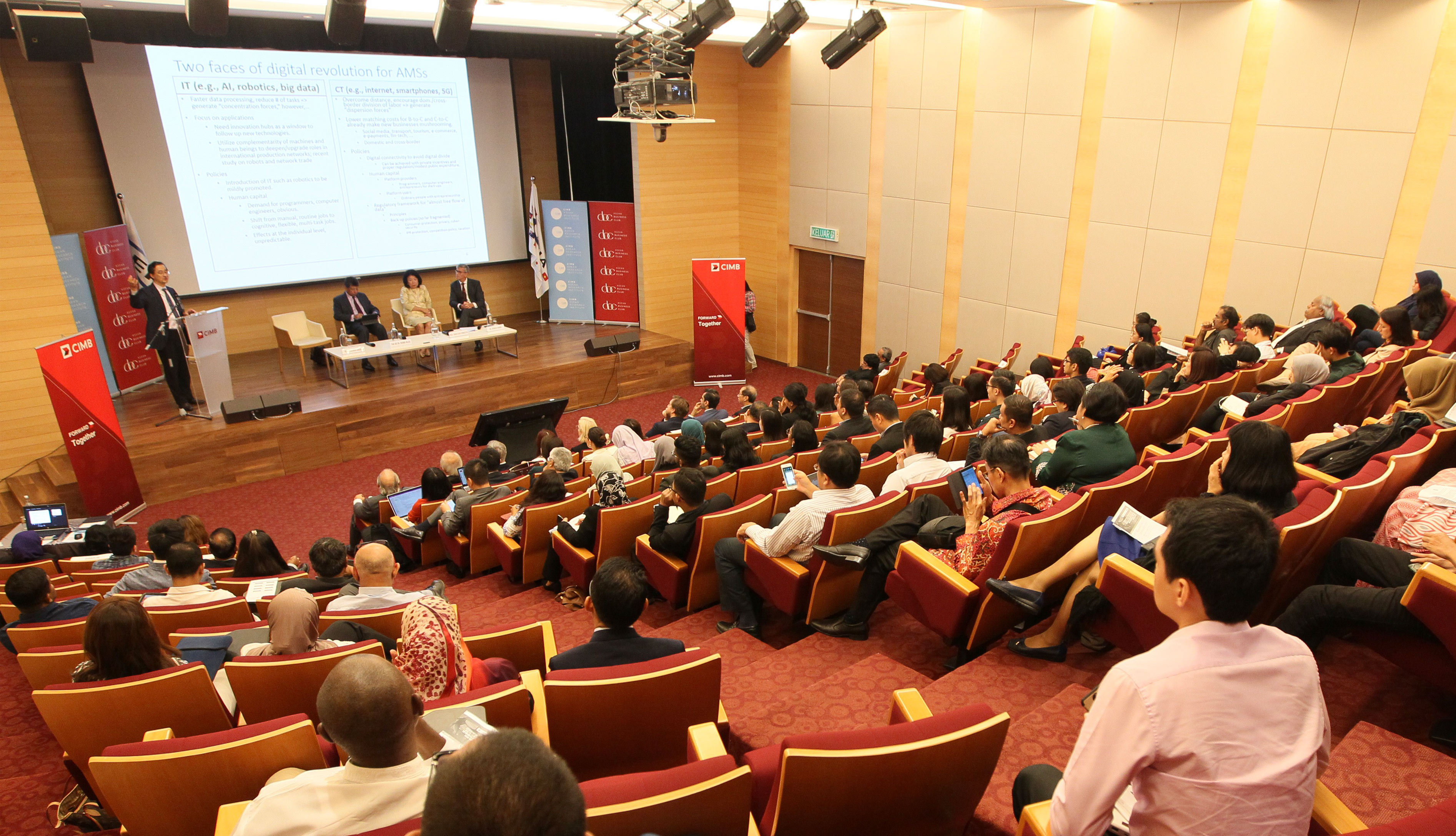
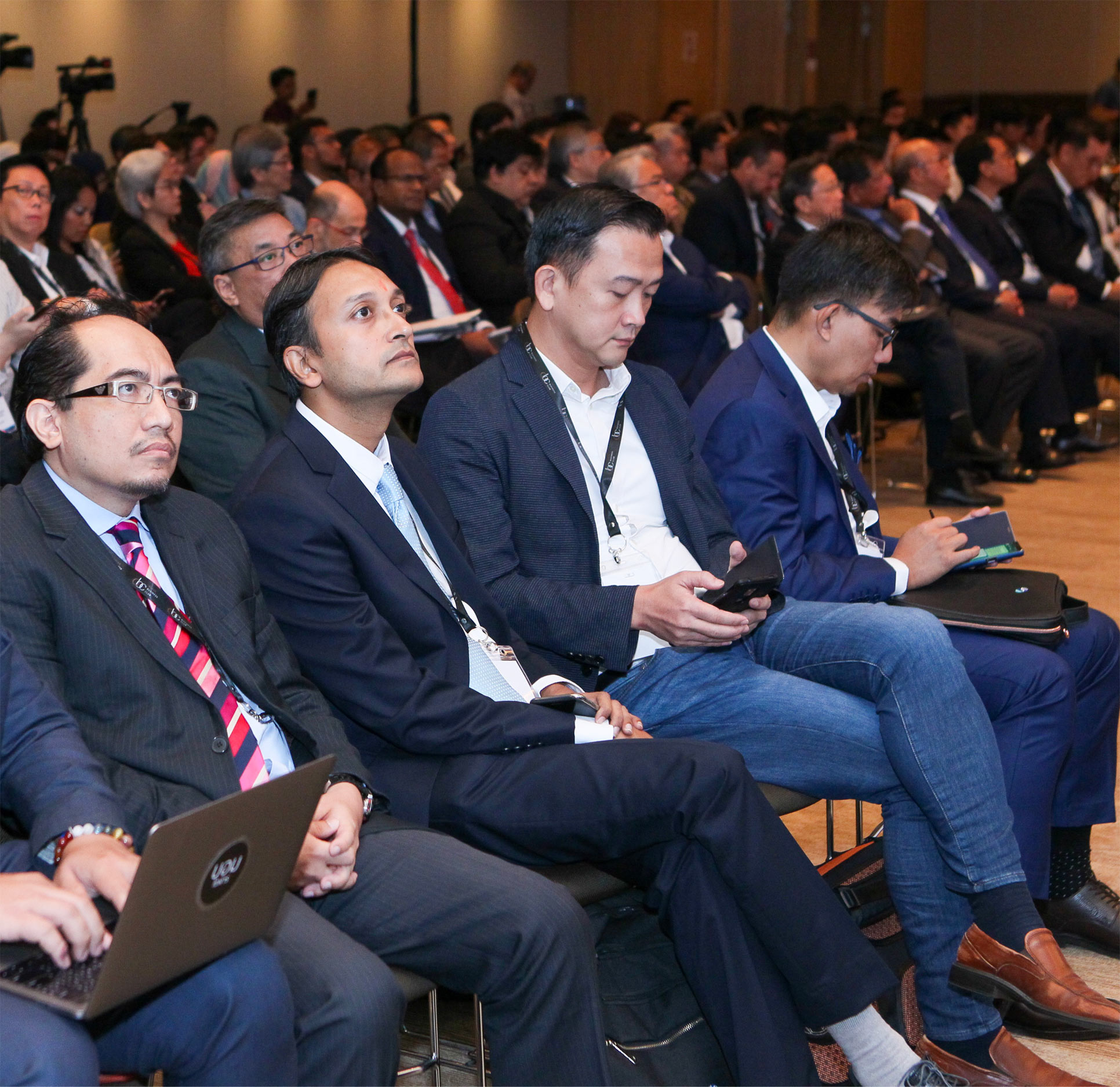
These were some of the observations made during the first of the Smart Showcase Series organised by CIMB ASEAN Research Institute (CARI), which focused on the future of Fintech within ASEAN, supported by ASEAN-BAC Malaysia and the ASEAN Business Club.

The one-day conference presented over 30 speakers from Malaysia, Singapore, Thailand, the Philippines and Japan showcasing the latest Fintech covering Bank-tech, Insurtech, RegTech, Wealth Tech, Lending Tech, Equity and Peer-to-Peer (P2P) Crowdfunding and blockchain technologies. The Fintech Smart Showcase Series also saw ASEAN-wide initiatives such as the APIX (Application Programming Interface Exchange) presented by Chief Fintech Officer of Monetary Authority of Singapore, Sopnendu Mohanty, as well as the ASEAN Regional Digital Trade Connectivity presented by Secretary-General of the Thai Bankers Association, Khun Kobsak Duangdee.

Tan Sri Munir Majid, Chairman of CARI, in his introductory remarks, highlighted that according to the Asian Development Bank, Fintech solutions could accelerate financial inclusion and boost GDP growth by 2-3% in markets such as Indonesia and the Philippines, and 6% in countries like Cambodia. For a population earning less than US$2 a day, this would translate to a 10% increased income for countries such as Indonesia and the Philippines, and a 30% in Cambodia, respectively1.

“Fintech will be able to mitigate the three main problems faced by MSMEs and the poorest unbanked households, namely the payment and transfer gap, the savings gap, and the credit gap. The reality is, however, that ASEAN is still at the nascent stage of development in the digital economy where a few countries are beginning to set up regulatory sandbox to pilot test Fintech ideas. ASEAN needs to catch up, not just in terms of technology, but also realising that unless it creates a region-wide ecosystem, the benefits would be less impactful,” said Tan Sri Munir who is also a member of the Economic Action Council chaired by Prime Minister Tun Dr. Mahathir.
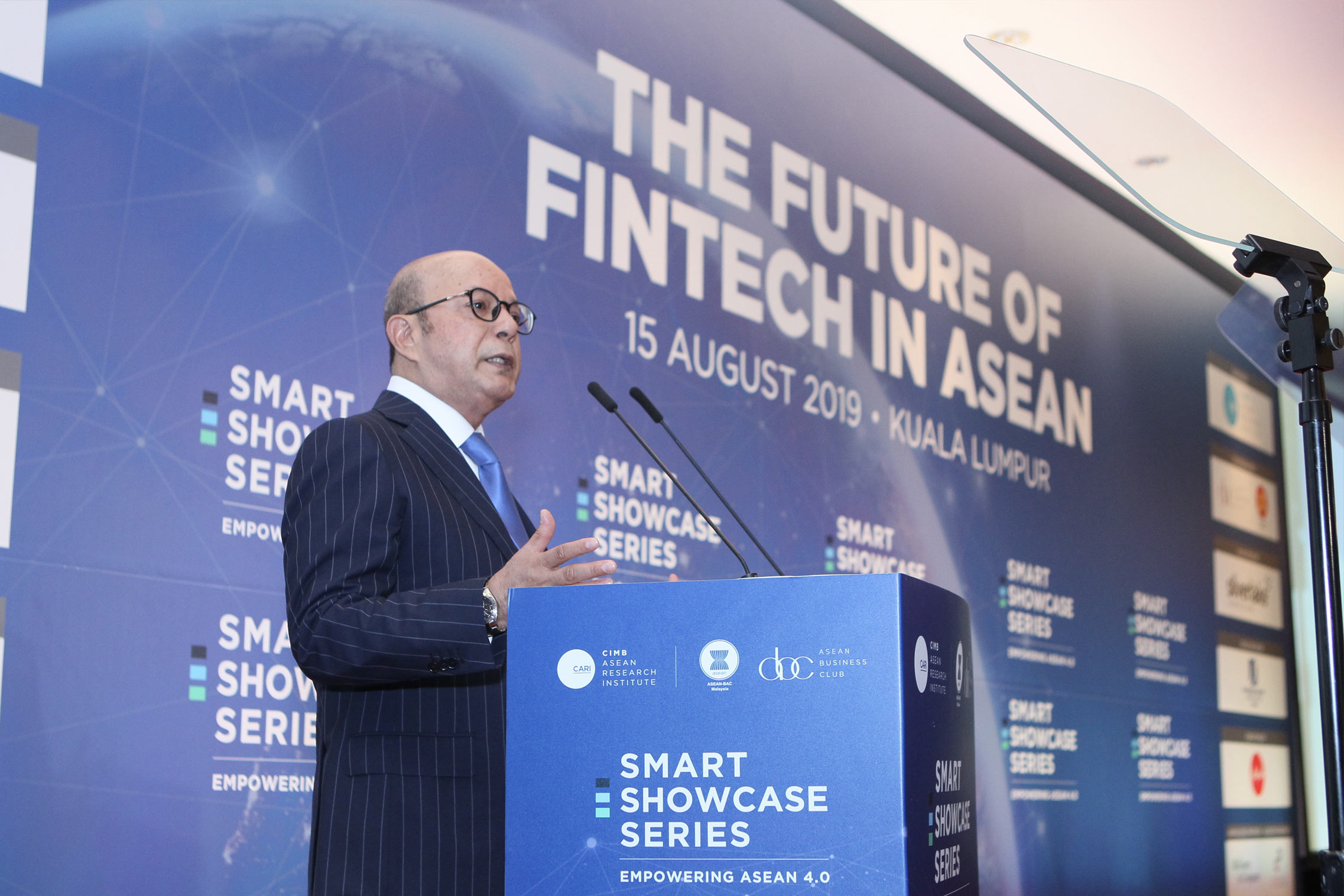
The opening keynote speech was given by Datuk Syed Zaid Albar, Chairman of the Securities Commission of Malaysia. He noted that from 2015 to June of this year, Malaysian equity crowdfunding (ECF) and peer-to-peer (P2P) financing platforms have collectively raised RM432 million, thus benefiting over 1,200 MSMEs.
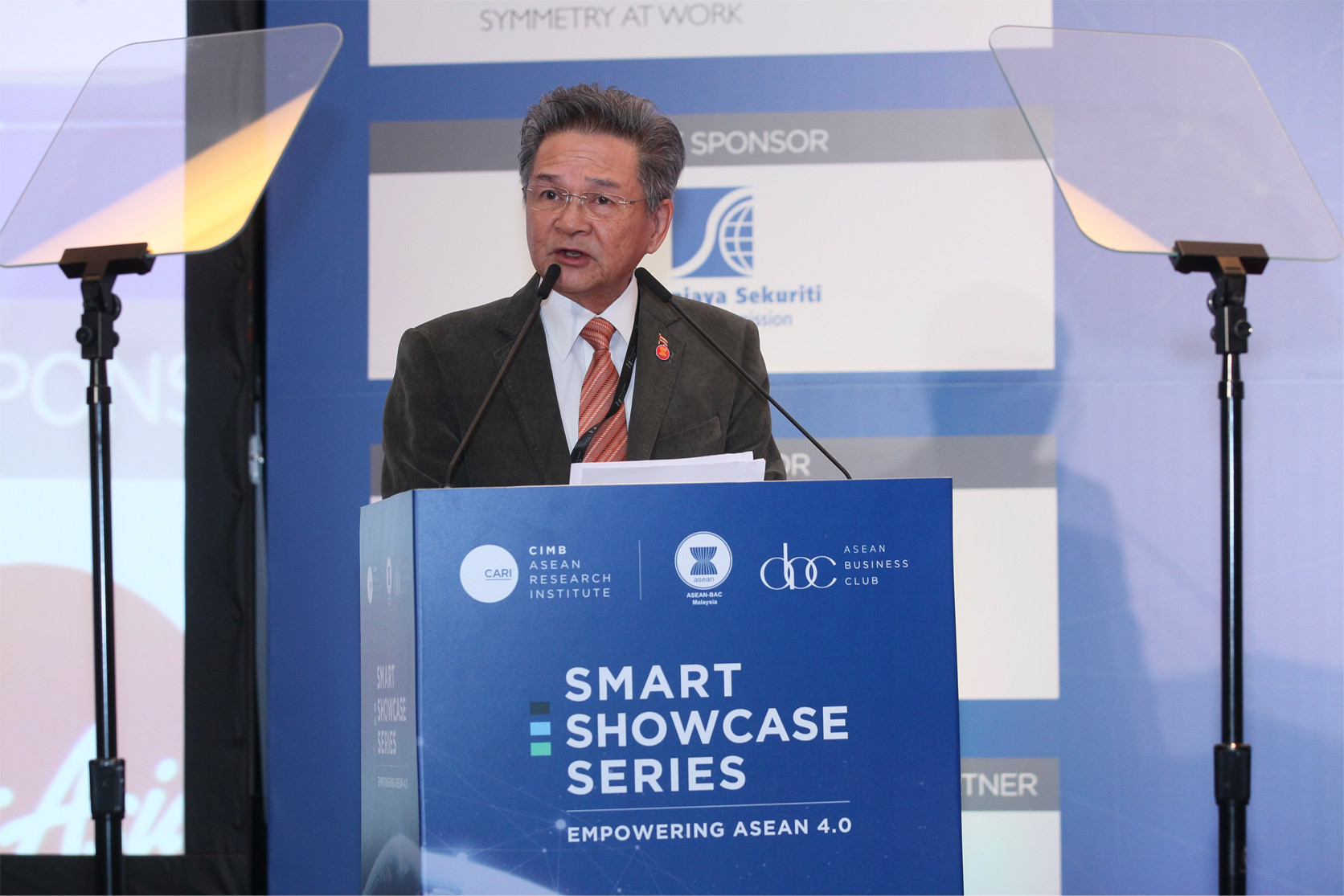
Khun Arin Jira, Chair of ASEAN BAC 2019, highlighted that ASEAN continues to draw investment into the Fintech sector given the region’s large population and projected GDP growth of over 5% from 2019-2023. He echoes the view of Fintech’s importance to the MSMEs as an alternative source of financing.

“Despite its economic importance, statistics show that 33% of MSMEs in ASEAN lack access to loans and line of credit, with these conditions being more acute in the Philippines where 50% of SMEs do not have access to formal loans. Current investment trend offers hope that Fintech could provide alternative access to finance for MSMEs in ASEAN,” said Khun Arin Jira.

In terms of empowering the MSMEs in cross border trade, there are currently efforts led by ASEAN-BAC Thailand to create an end-to-end B2B digital trade platform called National Digital Trade Platform (NDTP) in each country and make them interoperable with each other through the Regional Digital Trade Connectivity (RDTC) initiative. This would also complement the ASEAN Single Window which connects the National Single Window of ASEAN Member States. Currently, there are seven ASEAN countries joining the live operations, except Lao PDR, Myanmar and the Philippines.

“We are proposing an industry-led initiative to fully digitize the supply chain process from end-to-end backed by blockchain technology. Thus, it will enhance transparency and enable the highly secure sharing of information among trading partners. Most importantly, it should be able to help more SMEs participate in the cross border economy through higher efficiency, lower cost and time for international trade transactions, and to increase SME’s access to finance thus increasing their competitiveness,” said Khun Kobsak Duangdee, Secretary-General of Thai Bankers Association and Member of ASEAN-BAC Thailand.

The event also hosted two ASEAN Roundtable Series. The first panel, discussing the opportunities for Fintech in ASEAN involved representatives from Fintech associations from Singapore, Thailand, and the Philippines. The second panel, concerning how ASEAN intends to migrate to a cashless and borderless ePayment ASEAN ecosystem involved speakers from the ASEAN Bankers Association, BigPay, Magpie.IM Inc, and Boost.

In the final session, ambassadors from Thailand, Mexico and France, shared with the audience the progress of Fintech in their respective countries as part of their larger embrace of the Fourth Industrial Revolution.

Companies and organisations represented include the Fintech Association of Malaysia (FAOM), Thai Fintech Association, Singapore Fintech Association, Fintech Alliance.Ph, Monetary Authority of Singapore (MAS), Ata Plus, GAX MD, Asian Development Bank (ADB), the Thai Bankers’ Association, Funding Societies Malaysia, ASEAN Bankers Association, BigPay, Magpie.IM Inc, Axiata Digital eCode (Boost), Tookitaki, Fermion, NTT Data and the ASEAN Secretariat.

The Smart Showcase Series is sponsored by Silverlake with the venue sponsored by Securities Commission of Malaysia.
China-ASEAN Monitor


Photo Credit: Tencent Cloud


Economy, Investment and Trade


Chinese gaming company Tencent eyes Southeast Asia for launch of cloud gaming service
(7 August 2019) China’s largest gaming company Tencent is picking Southeast Asia over its domestic market for the launch of its cloud gaming service via Tencent Cloud. Southeast Asia is seen as a better launch pad than its home market due to the increasingly competitive Chinese gaming market and the Chinese government’s stringent media content laws. According to a Tencent representative, the company will partner with Chinese set-top box operators to offer AAA games to the Southeast Asian market. Such partnerships would enable them to differentiate themselves from western competitors such as Google and Microsoft since consumers in the region may consider a TV box for gaming as a more affordable alternative to a PlayStation or Xbox.
Read more>>

Chinese arbitration centre focused on China, ASEAN operations opens in Singapore
(8 August 2019) Guanxi-based Beihai Arbitration Commission (BAC) inaugurated the Beihai Asia International Arbitration Centre in Singapore on August 8 with the aim of providing arbitration services for small to medium-value cross-border commercial disputes at a lower-cost. According to the BAC, the new centre’s services will be provided at a “more reasonable” cost to encourage the resolution of disputes through arbitration. Furthermore, the centre will establish a China-ASEAN panel of arbitrators as part of its plans to continuously expand into ASEAN and encourage cooperation between China and ASEAN.
Read more>>

Thailand to set up new industrial agency in China to funnel FDI
(8 August 2019) The Thai Industry Ministry will be establishing a new Office of Industrial Affairs in either Beijing or Shanghai to better facilitate Chinese investment in Thailand, said industry minister Suriya Jungrungreangkit. According to Suriya, the new office will focus on attracting investors looking to avoid the US-China trade war and funnelling investments to its Eastern Economic Corridor (EEC). The Industry Ministry plans to invite 300 Chinese companies to visit the EEC locations for investment opportunities in September. To this end, Suriya also plans to discuss the revision of investment incentives and privileges in the EEC, as well as discuss the baht’s volatility issues with the central bank in order to better attract investment applications.
Read more>>

Malaysia to set up special channel to facilitate more FDI from China
(8 August 2019) The Malaysian Finance Ministry will spearhead the creation of a “special channel” to double Malaysia’s FDI inflows from China, said finance minister Lim Guan Eng. According to Lim, plans for this initiative will be fleshed out during his working visit to Shenzhen this month, although it will involve utilizing existing institutions. Lim expressed his confidence that Malaysia is well-positioned to serve as a “safe haven” for Chinese manufacturing investors looking to weather the ongoing trade war. When asked about the proposed issuance of Panda bonds, Lim said that the pricing is not attractive enough for Malaysia for now but that the parties are still discussing the matter.
Read more>>

Philippines set to sign five agreements with China this month
(13 August 2019) The Philippine government is slated to ink five agreements with China during President Rodrigo Duterte’s investment mission to Beijing this month, said finance undersecretary Mark Dennis Joven. According to Joven, two agreements involve the Bureau of Customs and relate to strengthening its border controls capabilities and cooperation between the customs departments of both countries respectively, the third will outline a framework for the Philippines to obtain Chinese financing, the fourth relates to the Philippine National Railways, and the final one relates to phytosanitary inspection. These agreements are in addition to the Department of Finance’s earlier list of proposed infrastructure investment projects which was sent to Beijing for consideration. China had previously pledged US$9 billion in assistance to the Philippines during President Duterte’s visit to Beijing in October 2016.
Read more>>

CARI Captures 416


ASEAN

ASEAN celebrates its 52nd anniversary on August 8
(8 August 2019) The ASEAN Day celebrations in Jakarta kicked off on August 8 with the inauguration of the new ASEAN Secretariat building comprising two 16-storey towers. The building was inaugurated by Indonesian President Joko Widodo, who made the symbolic handing-over of the building’s key to ASEAN Secretary-General Lim Jock Hoi to mark the opening of the new building. Meanwhile, Vietnam’s Ministry of Foreign Affairs celebrated the occasion with a flag-hoisting ceremony, during which deputy foreign minister Nguyen Quoc Dung noted ASEAN’s many milestones, such as the establishment of the ASEAN Free Trade Area in 1992 which formed the first building block for the region’s economic integration. In Malaysia, foreign ministry secretary-general Muhammad Shahrul Ikram Yaakob said that Malaysia looks forward to the continued advancement of the ASEAN single market agenda to ensure an even freer flow of goods, services, investments, capital and skills as envisioned by the ASEAN Economic Community (AEC) 2025.

ASEAN

More RCEP market access issues sealed
(5 August 2019) Over two thirds of the Regional Comprehensive Economic Partnership’s (RCEP) market access negotiations are now completed, bringing the total number of concluded chapters to seven chapters and three annexes, according to a joint statement published after the 8th RCEP Intersessional Ministerial Meeting held in Beijing on August 3. According to the statement, market access negotiations were the most challenging to conclude as it involved tariffs, concessions, and sensitive products and services of the 16 negotiating parties involved. The ministers also said that it was in the region’s “collective interest” to conclude the RCEP this year and it was therefore being treated as the “most important trade agenda in the region.”

LAOS

Lao government slashes red tape to improve ease of doing business
(2 August 2019) The Lao Ministry of Industry and Commerce recently published a summary of changes that it has made to improve the country’s business climate and Laos’ placing on the World Bank’s Ease of Doing Business index. These changes include (i) reducing the number of steps needed to start and register a business from 10 to four, shortening the whole process from 174 days to under 40 days; (ii) reducing the steps needed to obtain construction permits from 11 to seven, and within a month; (iii) the development of a digital system to regulate land and expedite property registration; (iv) planned amendments to the contract guarantee and insolvency laws in the next two years, along with the creation of a credit database; and (v) new and amended legislation to protect minority investors, which includes management and reporting regulations for listed companies.

INDONESIA

New central bank senior deputy governor outlines priorities to ensure financial stability
(7 August 2019) Bank Indonesia’s new senior deputy governor Destry Damayanti, who was sworn in on August 6, wasted no time in outlining her five strategic focus areas to maintain stability in the country’s financial sector: (i) continue a mixed policy approach by combining monetary and macro prudential instruments, (ii) deepen the financial sector and avoid heavy reliance on foreign capital inflow, (iii) support the development of digital payment systems, (iv) expand shariah-compliant financial products, and (v) strengthen cooperation between financial institutions. Destry added that the central bank’s priority will be on strengthening the domestic economy and maintaining Indonesia’s macroeconomic condition to weather the uncertain global economy.

THAILAND, THE PHILIPPINES

Thai, PH central banks cut benchmark interest rates
(7 August 2019) The Bank of Thailand and Bangko Sentral ng Pilipinas, along with the central banks of India and New Zealand, announced this week that they have slashed their benchmark interest rates to boost their economies. According to Bloomberg, the Thai central bank’s move to slash its key rate by a quarter percentage point to 1.5% came as a surprise since the bank had earlier resisted rate cuts due to concerns over consumer debt and financial stability. Analysts wager that the escalating US-China trade tensions, worsening drought and rising baht likely led to the Bank of Thailand’s change of heart. Similarly, the Philippines’ central bank reduced its overnight borrowing rate by 25 basis points to 4.25% as the Philippine economy grew at its slowest pace in over four years in the second quarter of 2019.

THAILAND

Energy Ministry outlines five pillars to build regional power hub
(6 August 2019) Thailand’s Energy Ministry shared its five pillars to turn Thailand into ASEAN’s power trade hub: digitisation, decarbonisation, electrification, decentralisation and deregulation. According to the ministry’s permanent secretary Kulit Sombatsiri, Thailand will disrupt the energy sector using these pillars and the ministry has set up a working group that involves all major energy agencies to conduct feasibility studies and draw up plans to achieve its vision. More specifically, the plan will see the improvement of high-voltage transmission lines across Thailand to position the country as the regional hub for power trading. Furthermore, surplus electricity generated in Thailand and Laos will also be sold to the rest of Southeast Asia, thus producing greater revenue for each country.

THAILAND

Thailand to expand infrastructure investment fund and reform taxation
(6 August 2019) Thai finance minister Uttama Savanayana listed expanding the Thailand Future Fund (TFF) and tax reform as two key policy priorities to boost economic development and reduce income inequality. The minister, who was speaking at the Bangkok Post Forum on August 5, also outlined his urgent to-dos which include high expenditure on infrastructure development and public welfare, catching up with technological developments through mobilising capital to invest in digital infrastructure. These, he said, are all necessary but budget-intensive measures, which is why his ministry is also focused on expanding the TFF. Furthermore, the finance ministry is also looking at tax reform to raise funds to finance infrastructure development, such as through the imposition of taxes on e-commerce and online businesses.

SINGAPORE

46 countries sign Singapore Convention on Mediation
(7 August 2019) 46 countries signed the United Nations (UN) Convention on International Settlement Agreements Resulting from Mediation, better known as the Singapore Convention on Mediation, in the island state on 7 August. The US, China, India and South Korea were among the first 46 signatories to the treaty, which will come into effect once three countries have ratified it. According to a media report, countries who have signed and ratified the treaty will be responsible for ensuring that international commercial settlement agreements can be invoked in or are enforced by their courts. The treaty is seen as a boon for Singapore, which has been working to position itself as a global hub for mediation and dispute resolution.

VIETNAM-US

Vietnam mulls importing US coal for power generation amidst trade dispute
(6 August 2019) Vietnamese state-run coal company Vinacomin met with US coal company Xcoal in Hanoi last week to discuss the possibility of importing coal from the US to meet Vietnam’s growing local demand for fuel, according to a report by state-owned newspaper Dau Tu. The report follows the Vietnamese Ministry of Industry and Trade’s recent admission that the country will likely face severe electricity shortages from 2021 unless it imports 680 million tonnes of coal during the 2016-2030 period. Coal is expected to account for 42.6% of Vietnam’s power generating capacity by 2030, up from 38.1% presently. The move is also seen as another way for Vietnam to reduce its trade surplus with the US. Last month, a Vietnamese crude oil refinery also announced that it would import two to three million barrels of US crude in the second half of 2019.

ASEAN-INDIA

Tata Steel scraps deal to sell Southeast Asia assets to Chinese group
(7 August 2019) India’s Tata Steel has cancelled the sale of its Southeast Asian subsidiaries NatSteel Holdings and Tata Steel Thailand to China’s HBIS Group, due to HBIS’ inability to obtain the necessary regulatory approvals from the Hebei government. The companies had earlier signed an agreement in January which would’ve seen Tata selling its stakes to HBIS for around US$327 million, and the setting up of a new company with HBIS owning 70% and Tata 30%. According to analysts, it will be an uphill task for Tata Steel to find investors for its Southeast Asian business given the weak steel market. Tata Steel also said in July that lingering uncertainty caused by the trade war has “had an adverse effect on investment decisions, capex spend and trade flows.”

Mekong Monitor


Photo credit: Vietnam News/Asia News Network


TRADE, ECONOMY, AND INVESTMENT


LAOS, THAILAND

Daily freight train service launched between Laos and Thailand
(5 August 2019) Laos and Thailand recently began operating a freight train service across the Lao-Thai Friendship Bridge from Nong Khai to Vientiane as part of the governments’ efforts to boost bilateral trade, according to a local news report. According to the Lao Department of Railways, the freight train service will transport around 10 to 20 containers both ways daily, alongside two daily passenger train services between Thanaleng railway station in Vientiane and Nong Khai stations. Construction on a 7.5-kilometre railway from Thanaleng to Vientiane is expected to start this October and be completed by December 2021.
Read more>>

CAMBODIA

Cambodia approved US$5 billion in investments in 1H 2019, attributed to political stability
(1 August 2019) Cambodia saw US$5.2 billion in investment approvals in the first six months this year, representing a 48.5% year-on-year increase, according to data published by the Council for the Development of Cambodia (CDC). The US$5.2 billion sum was invested in 153 projects, 134 of which were in the agriculture, agro-industry and garment sectors. Cambodia’s tourism industry accounted for the largest share in investment value with 11 projects worth US$3.7 billion, while infrastructure investments came in second with three projects worth US$424.6 million. According to Ek Tha, the spokesman for the office of the Council of Ministers who presented the findings, the surge in investment can be attributed to the country’s “political stability” and “sound macroeconomic management.” Of the US$5.2 billion invested, 68.4% came from local investors, while 25.4% came from investors in China.
Read more>>

MYANMAR

Construction on Yangon sky train to start in 2020, to be completed by 2027
(5 August 2019) Myanmar will commence work on the US$1 billion Yangon Urban Mass Rapid Transit or “sky train” project in 2020 and aim for completion by 2027, its Ministry of Transport and Communications announced this week. According to the ministry, the urban rail route will connect the eastern and western parts of the capital city through 13 stations, with infrastructure standards comparable to those in Thailand and Indonesia. More specifically, the 18-kilometre route will start in Hlaingthaya township, run along the Yangon-Pathein road, cross Hlaing River, pass Okkywin Station and Parami Road before ending at Tokyaung Kalay Station.
Read more>>

THAILAND

Thailand plans to promote P2P power trading model for rural areas
(1 August 2019) The Thai Energy Ministry plans to roll out a peer-to-peer (P2P) power trading model in smaller, rural communities to decentralise the country’s power generation system in accordance with its new power development plan (PDP) for the 2018-2037 period. According to energy minister Sontirat Sontijirawong, private companies of all sizes will be able to form joint ventures with small communities to participate in the electricity value chain. He added that the business model, also known as the prosumer model, can “combine blockchain, smart power meters and a new sandbox for the power business.” The model will also promote the use of renewable energy such as biomass, biogas, waste and solar — depending on the potential of these resources in each province. Mr Sontirat also said that in the long-term, Thailand should take advantage of its central location in Southeast Asia and become a regional energy hub.
Read more>>

VIETNAM

Conglomerate Vingroup plans to issue US$750 million in bonds
(6 August 2019) Vietnam’s largest private company Vingroup is seeking shareholders’ approval to issue US$750 million in bonds this year to finance new and existing investments, according to a statement released by the company on August 5. Furthermore, the bonds will have a face value of US$200,000 and have three, five or seven-year maturities. The bonds will be listed on the Singapore Stock Exchange. Vingroup reported 1.3% in year-on-year revenue growth in 1H 2019 reaching US$2.66 billion, with an after-tax profit growth of 89.5% year-on-year reaching US$142.47 million.
Read more>>


mekong-monitor-map

About Greater Mekong Subregion (GMS)

The Greater Mekong Subregion (GMS) Economic Programme was launched by the Asian Development Bank in 1992 connecting five developing ASEAN countries, namely Cambodia, Laos, Myanmar, Vietnam and Thailand, and Chinese provinces of Yunnan and Guangxi Zhuang Autonomous region. The region has some of the most robust economies sharing the Mekong River Basin thanks to its reform and liberalisation. The subregion is growing at a faster pace than the whole of East Asia and the Asia Pacific as the GDP growth rate for 2017 was at 6.4 percent, according to the World Bank. The population at the subregion as of 2016 is at 340 million while the GDP at PPP is at US$3.1 trillion in 2016. In 2015, trading within the region was at US$444 billion.

China-ASEAN Monitor


Photo Credit: Kr-Asia


Economy, Investment and Trade


Tencent and Baidu introduce video streaming services into crowded Vietnamese market
(30 July 2019) Chinese technology giants Tencent and Baidu started offering video-on-demand (VOD) services in Vietnam on July 30 through their platforms WeTV and iQIYI. According to Vietnamese media, Vietnamese users can now download the WeTV and iQIYI applications from Apple and Google’s app stores, and access content for as low as US$1.08 per month on WeTV and US$2.13 per month on iQIYI (although both only provide Chinese content as of now). The entry of these Chinese service providers were met with raised eyebrows, as it means even more competition for local VOD providers who already face competition from US’s Netflix (US$7.8 per month), Malaysia’s iflix (US$2.56 per month), and other popular illegal movie streaming websites. As well, Vietnam is currently in the midst of amending a decree that could potentially require foreign streaming services to obtain a license from the Ministry of Information and Communications.
Read more>>

China vows to narrow trade deficit with Indonesia, approves more Indonesian exports
(4 August 2019) China’s commerce minister has pledged to “prioritise Indonesia in accordance with President Xi Jinping’s instruction” and work towards narrowing its trade surplus with Indonesia, said Indonesian trade minister Enggartiasto Lukita. According to Enggartiasto, the General Administration of Custom China (GACC) has also approved several requests that he had made a week ago, including providing permits to 60 Indonesian companies to export commodities to China. Indonesia’s trade deficit with China stood at US$18.5 billion in the first five months of 2019. Indonesian President Joko Widodo met with Chinese President Xi Jinping on the sidelines of the G20 summit recently, where Joko asked China to open a wider market for Indonesian goods.
Read more>>

Malaysia-China bilateral trade expected to hit new high this year
(1 August 2019) Trade between Malaysia and China will likely hit a record high in 2019 what with bilateral trade in the first half of the year recording a 10.7% year-on-year growth, said Chinese ambassador to Malaysia Bai Tian. According to him, trade between the countries reached US$57.35 billion during the period, thus signalling that they are likely to top last year’s total of slightly more than US$100 billion if this growth continues in the second half of the year. Furthermore, Bai Tian said that he expects the recently-relaunched East Coast Rail Link project as well as Malaysia’s participation in the upcoming China International Import Expo (CIIE) to create more opportunities for Malaysian and Chinese companies in each other’s markets and cooperate to enter third markets.
Read more>>

Myanmar to export fish to China through barter trade agreement
(5 August 2019) Myanmar’s fisheries department has sent an inventory of fish that it hopes to export to China under the barter trade agreement that the countries signed earlier this year, said Myanmar fisheries department official U Thet Naing. According to commerce ministry deputy secretary U Khin Maung Lwin, the inventory was sent on the request of Chinese authorities who are studying potential aquaculture products to be imported. Myanmar exported 570,000 tonnes of aquaculture products worth US$712 million in the 2017/2018 fiscal year and are targeting US$1 billion for this year.
Read more>>

Planned economic zones on northern Filipino islands spark national security concerns
(5 August 2019) Chinese investors are planning to turn three northern Philippines islands — Fuga, Grande and Chiquita — into economic and tourism zones, according to Filipino media. The proposed investment projects would include a US$2 billion “Smart City” on Fuga Island comprising an agriculture hub, medical schools and a high-tech industrial park. These proposed investments were part of the 19 agreements inked during President Rodrigo Duterte’s visit to the Belt and Road Forum (BRF) in Beijing in April, altogether worth US$12.16 billion worth of investments. Nevertheless, the country’s military officials have voiced their concerns regarding the strategic positioning of these island investments and how they may affect national security. Fuga Island, for example, controls access to the Pacific Ocean and the South China Sea, while Grande and Chiquita islands are located in the former naval base of Subic Bay and located 260 kilometers from the disputed Scarborough Shoal in the South China Sea.
Read more>>

CARI Captures 415


ASEAN

Thailand seeks deeper cooperation as ASEAN ministers meet in Bangkok
(31 July 2019) The 52nd ASEAN Foreign Ministers’ Meeting and related meetings kicked off in Bangkok on July 31 with a call from meeting chair Thailand for ASEAN to seek deeper integration to bolster regional trade and prosperity. Speaking at the opening ceremony, Thai foreign minister Don Pramudwinai told his ASEAN counterparts that the region needed to be “more agile” and “more outward and forward looking than ever before” given external uncertainties. This year’s foreign ministers’ meetings were held against a backdrop of increasing tension in the South China Sea and Korean Peninsula, as well as the discombobulating US-China trade war. Separately, ASEAN Secretary-General Lim Jock Hoi told media on the sidelines of the 3rd ASEAN Media Forum held in Bangkok on July 29 that the ASEAN Single Window and Regional Comprehensive Economic Partnership (RCEP) negotiations were on track for completion by the end of the year.

INDONESIA-EU

Indonesian palm oil lobby urges government to raise tariffs on EU dairy products
(31 July 2019) Indonesian Palm Oil Association (GAPKI) is calling on the government to raise import tariffs on European Union (EU) goods such as dairy products in response to the bloc’s move to phase out the use of palm oil in EU biodiesel. GAPKI chairman Joko Supriyono was quoted by the media questioning why the Indonesian government was not using tariffs in retaliation to the EU’s palm oil policies, since “every country uses them.” The chairman’s comments were made following the European Commission’s most recent proposal to levy 8%-18% in duties on Indonesian biodiesel imports on the basis that Indonesian producers of biodiesel benefit from state subsidies including export financing and tax breaks. Indonesian trade security director Pradnyawati has since responded to the EU’s proposal, calling it a “structured, systematic and massive grand design” to block palm oil from competing with vegetable oils produced in Europe, since biodiesel from Indonesia is mostly made from palm oil.

MALAYSIA-EU

Malaysia urges EU to recognise MSPO certification
(29 July 2019) The Malaysian Ministry of International Trade and Industry (MITI) published a statement on July 29 urging the EU to accept and recognise the Malaysian Sustainable Palm Oil (MSPO) certification scheme, which will become a mandatory measure by the end of 2019. MITI is hoping that the EU will accept and recognise the MSPO as a voluntary scheme under the EU’s Renewable Energy Directive (RED II) that certifies low indirect land use change (ILUC) risk for biofuels and bioliquids. According to MITI, recognition of the MSPO certification is vital because under the EU’s RED II directive for the period 2021-2030, palm oil is categorised as a “high ILUC-risk” crop which carries a higher risk of extension of agriculture land into areas with high carbon stock such as forests, wetlands and peatlands. The EU intends to phase out all crops classified as “high ILUC-risk” by 2030. Meanwhile, Reuters reports that Malaysia looks set to replace Indonesia as India’s largest source of palm oil in 2019, as Malaysia continues to benefit from import duties five percentage points lower than Indonesia’s.

MALAYSIA-TURKEY

Malaysia invites Turkey to invest in aerospace, automotive, and M&E sectors
(27 July 2019) Malaysian Prime Minister Mahathir Mohamad invited Turkish companies to invest and do business in the country, especially in Malaysia’s aerospace, automotive, and machinery and equipment (M&E) sectors. Mahathir’s invitation was made during a roundtable meeting with Turkish industry leaders in Istanbul on July 27, which was held as part of his four-day official visit to Turkey. According to Mahathir, Malaysia aims to be an energy efficient vehicle (EEV) hub and aerospace hub serving the global market by 2030. As such, Turkish investments in these sectors and other high technology were especially welcome. Mahathir also pointed out Malaysia’s ability to serve as a springboard to the wider ASEAN region which holds a combined market of 650 million people. Meanwhile, Turkish foreign minister Mevlut Cavusonglu announced on July 28 that Turkey aims to enter a free trade agreement with Thailand as soon as possible.

VIETNAM-ROK

Vietnamese firms seal agreements with Samsung, Hyundai
(1 August 2019) South Korean technology company Samsung SDS and Vietnamese telecommunications company CMC announced a strategic partnership on July 26 which will see both companies cooperating in the development of key technological fields such as smart factories, cloud, security, internet of things for building management systems, digital signage, artificial intelligence, blockchain and big data. According to the companies, one of their first priorities will be to turn Korean factories in Vietnam into smart factories, before rolling out their technology to other Vietnamese firms. Additionally, the companies hope to leverage Samsung SDS’s global reach to position themselves as the Southeast Asian hub for global software development and maintenance. Separately, South Korean carmaker Hyundai’s logistics arm Hyundai Glovis announced that it will open its first Southeast Asian office in Vietnam in 2020 to transport both automotive and non-automotive products to the region.

VIETNAM-JAPAN, US

Vingroup inks deal with Fujitsu, Qualcomm to make 5G phones in Vietnam
(27 June 2019) Vietnam’s largest listed firm by market value Vingroup announced on June 27 that it has inked a deal with US chipmaker Qualcomm and Japan’s Fujitsu to manufacture 5G smartphones in Vietnam. According to Vingroup, the company has started constructing a new facility in Hanoi that will ultimately produce 125 million smartphone units annually, which will be sold to US and European markets beginning April 2020. Meanwhile, Japanese carmaker Mitsubishi Motors announced that it will begin manufacturing plug-in hybrid electric vehicles (PHEVs) at its existing facility in Thailand’s ChonBuri province in the next fiscal year ending March 2021. Mitsubishi’s announcement comes after it became the fourth carmaker after Mercedes-Benz, BMW and SAIC Motor-CP to be awarded investment incentives worth US$100 million by the Thai Board of Investment earlier this year.

INDONESIA-JAPAN

Japanese tech group Softbank invests another US$2 billion to expand Indonesian operations
(29 July 2019) Japan technology group Softbank’s founder Masayoshi Son announced on July 29 that the company will invest US$2 billion to expand its operations in Indonesia — through the establishment of Grab’s second headquarters in Jakarta, as well as additional investment in Indonesian online marketplace Tokopedia. According to him, Softbank is particularly interested in increasing its investment in Indonesia’s electric vehicle and renewable energy sectors. Grab Indonesia head Ridzki Kramadibrata later published a statement saying that the company’s new Jakarta headquarters will house its research and development centre and its food delivery arm GrabFood. Meanwhile, coordinating maritime affairs minister Luhut Pandjaitan, said that the government is working on a pilot project to kickstart Jakarta’s electric vehicle ecosystem and that the supporting infrastructure should be ready in the coming three years.

THE PHILIPPINES

Private sector expresses relief that Duterte vetoed the Security of Tenure bill
(29 July 2019) The Filipino business community are “extremely relieved” that President Rodrigo Duterte has vetoed the Security of Tenure (SOT) bill which sought to end all forms of short-term employment contracting, said Employers’ Confederation of the Philippines (ECOP) head Sergio Ortiz-Luis Jr. According to Ortiz-Luis, should the bill have passed, it would have not only lowered business competitiveness but also lead to more job losses. According to the Philippine Chamber of Commerce and Industry (PCCI), the SOT bill was introduced to protect workers against unscrupulous practices on labour contracting, such as the illegal ENDO (end of five-month contract) practice where companies terminate contractors during their fifth month to avoid paying the required fees once the contractor becomes a regularised staff after six months.

SINGAPORE

54 nations to attend Singapore Convention on Mediation signing on August 7
(30 July 2019) Fifty-four countries including the US and China have confirmed their attendance to the signing ceremony for the Singapore Convention on Mediation on August 7. The convention, which was adopted six months ago, is the latest United Nations (UN) treaty on mediation. The convention is expected to add teeth to the enforcement of commercial settlement agreements, as its signatories will be obligated to enforce the mediation agreements in court. According to Singapore home affairs and law minister K. Shanmugam, the treaty has so far received “very exceptional” support, especially from large economies who have significant foreign investments. Aside from the US and China, the other countries include Brunei, Japan, South Korea, Australia, Switzerland, Uganda and Vanuatu.

INDONESIA

Indonesia mulling issuing ‘diaspora bonds’ to citizens living abroad
(28 July 2019) The Indonesian government is considering the possibility of issuing “diaspora bonds” as part of its efforts to raise funds while lowering its dependence on foreign funds. According to the finance ministry’s financing and risk management head Luky Alfirman, the bonds would target the eight million Indonesian citizens living overseas, which would also provide these citizens with an investment avenue. The type of debt instrument to be used and other details have yet to be determined, though Luky notes that the government is aware that Indonesians in the Middle East may prefer sukuk while those in Japan or the US may prefer conventional securities. He added that the government is also looking at boosting domestic retail ownership of sovereign bonds from the current 3% to raise funds.

Mekong Monitor: Myanmar, Thailand, Japan to form a committee to develop Dawei SEZ


Photo credit: Myanmar Times


TRADE, ECONOMY, AND INVESTMENT


MYANMAR, THAILAND

Myanmar, Thailand, Japan to form a committee to develop Dawei SEZ
(25 July 2019) The Myanmar, Thailand and Japan governments will form a Joint Cooperation Committee to discuss the development of the Dawei Special Economic Zone (SEZ) which was halted in 2013 due to a lack of funding. According to a Myanmar commerce ministry official, Japan’s participation in the project is expected to help woo investors, in part because of Japan’s reputation for “quality and trustworthiness.” Dawei SEZ initially kicked off after a memorandum of understanding was signed between the Myanmar and Thai governments in 2008, with Thai construction firm Italian-Thai Development leading the project. Dawei SEZ is located in Myanmar’s southeast Thanintharyi region, covering 20,000 hectares of land and including port and industrial facilities.
Read more>>

VIETNAM, LAOS

Cross-border trade deal saw bilateral trade expand by 13% annually since 2015
(26 July 2019) A meeting hosted by the Vietnamese Ministry of Industry and Trade on July 26 to review the impact of the Vietnam-Laos bilateral cross-border trade agreement found that the agreement — which was signed in 2015 — has indeed contributed to bilateral trade growth. According to data from Vietnam’s Ministry of Planning and Investment (MPI), Vietnamese investors have invested US$5.1 billion in 292 Lao projects in the past three years, including in 110 projects worth US$2.7 billion in 10 Lao provinces bordering Vietnam. Bilateral trade has also grown at around 13% annually during the period to over US$1.03 billion in 2018. Furthermore, 36 markets have been developed along the Vietnam-Laos border, including eight border gate economic zones.
Read more>>

THAILAND

Private sector not keen on 400 baht minimum daily wage
(26 July 2019) Most employers in Thailand are opposed to the government’s proposal to raise the country’s minimum daily wage by 25-30% to 400-425 baht (US$13.0-13.8), the Board of Trade of Thailand shared on July 26, citing a survey by the Thai Chamber of Commerce (TCC). According to the survey, 93.9% of respondents surveyed by the TCC were against the proposed minimum daily wage increase as it would lead to higher operating costs. Furthermore, the raise from the current average of 325 baht (US$10.55) in major provinces is expected to cost businesses 21 billion baht (US$681.58 million) every year. A wage hike would also possibly affect national competitiveness as wages in Thailand are higher than in other Southeast Asian countries. As such, the trade board urged the government to let wage committees at the provincial level decide what the minimum wage should be based on labour skills and conditions in each province.
Read more>>

CAMBODIA

Cambodia now has 20.8 million mobile and 15.8 million internet users
(25 July 2019) Cambodia saw a substantial increase in mobile and internet users in the first half of 2019, according to the latest figures from the Telecommunications Regulator of Cambodia (TRC). According to the figures, the number of registered SIM cards rose 9.4% to reach 20.8 million users during the period, while the number of internet users — for both mobile and fixed internet — grew 31.6% to reach 15.8 million. According to the TRC, the increase in internet users was particularly significant since 15.8 million users would represent 98.5% of Cambodia’s population. There are currently six telecommunications firms in Cambodia — Cellcard, Smart Axiata, Metfone, Seatel, Cootel and qb — with Metfone, Cellcard and Smart Axiata accounting for 90% of all users.
Read more>>

VIETNAM

Vietnamese garment makers to be tested by growing demand due to the EVFTA
(26 July 2019) Vietnam’s garment manufacturers are bracing themselves for the impending surge in demand once the EU-Vietnam Free Trade Agreement (EVFTA) kicks in. To quote an executive from a garment trading house in Ho Chi Minh City, Vietnamese garments will soon “dominate the European market,” and he expects to receive at least 15% more orders for his uniforms and sportswear once the EVFTA is ratified by the European Parliament. However, manufacturers who are pushing to expand their operations in preparation for the surge in orders are already facing staff shortages, especially high-level employees with specialised skills. According to analysts, Vietnam’s garments industry, which currently accounts for around 10% of the country’s exports, will be the EVFTA’s biggest beneficiary.
Read more>>


mekong-monitor-map

About Greater Mekong Subregion (GMS)

The Greater Mekong Subregion (GMS) Economic Programme was launched by the Asian Development Bank in 1992 connecting five developing ASEAN countries, namely Cambodia, Laos, Myanmar, Vietnam and Thailand, and Chinese provinces of Yunnan and Guangxi Zhuang Autonomous region. The region has some of the most robust economies sharing the Mekong River Basin thanks to its reform and liberalisation. The subregion is growing at a faster pace than the whole of East Asia and the Asia Pacific as the GDP growth rate for 2017 was at 6.4 percent, according to the World Bank. The population at the subregion as of 2016 is at 340 million while the GDP at PPP is at US$3.1 trillion in 2016. In 2015, trading within the region was at US$444 billion.

Loong on China: Rare earths, muddy thinking and endless shades of grey

Originally published in TheEdge Malaysia, 29 July – 4 August 2019 edition.

The controversy over the rare earths industry in Malaysia seems to have fallen down a rabbit hole of simplistic questions chasing simplistic answers.

Does the industry pollute the environment – or not? Can it bring in new investment and jobs – or not? Is it a trade war “windfall”, allowing Malaysia to break China’s virtual global monopoly in producing minerals critical to modern technology – or not?

In the real world, however, the pros and cons of the decision facing Malaysia are far more nuanced and complex. The challenge is not just in getting the answers right but getting the questions right – not so much weeding out black from white as sorting through endless combinations of shades of grey.

Context is critical. The importance of investment to the policy equation, for example, depends on the bigger picture. Without the proper context, such as Malaysia’s economic strengths and weaknesses or the perceived political risk for investors, the amount of money that might or might not flow into the country is just a number, and guesswork at that.

And environmental debates are often classic case studies of people talking passionately at cross purposes.

Lynas, an Australian company hoping to renew the license for a rare-earths refining facility it operated in Pahang state since 2012, is at the centre of the controversy.

The industry does not have a happy history in Malaysia. Japan’s Mitsubishi Chemicals ran a similar facility in Perak in 1982. Despite solemn assurances at the time that toxic waste from the plant would be properly contained, radioactive sludge polluted fields and rivers. Leukemia, birth defects, infant deaths, congenital diseases, miscarriages and lead poisoning in the area spiked.

Lynas has been making the case to the community that it need not worry because there are adequate environmental safeguards and the ores processed at its plant are comparatively low risk.

Lynas has missed the point. What is lacking between the company and the public is trust. Few people have the expertise to evaluate the relative toxicity of different ores or what works in terms of environmental protection in this industry. And having been burnt by Mitsubishi, the public is not about to take at face value the assurances of another rare earths company. What Lynas needs to win is not just a license but hearts and minds in Malaysia.

And therein lies the catch

Then there is the question of whether extending the Lynas project will bring new investments and jobs to Malaysia.

The short answer is: It depends. Malaysia’s Entrepreneurial Development Minister is talking of investment of up to RM100 billion (US$24 billion) over the next 10 years once there is clarity about the government’s rare earths policy.

And therein lies the catch: clarity of policy.

The current, so-called trade war has laid bare the race for global dominance by the world’s two biggest economies. The usual strategy for this sort of situation is for smaller economies, such as Malaysia, to steer a middle course to avoid being trampled in the fight between elephants.

The rare earths industry is capital intensive – especially upstream extraction. Businesses would need to be comfortable that there is unlikely to be a sudden U-turn in policy further down the road before plonking down US$15-50 million in initial investments.

The foreign investor would essentially be taking a punt that Malaysia’s policy on China and the United States will remain friendly to his operations. The ultimate nightmare is that after all the hard work and cost in setting up the plant, the foreign entity is then forced to sell out to or partner with a third party more in sync with the political winds of the day.

China’s unassailable advantage

But this is not just a Lynas story or even just a Malaysian story. Malaysia hosts the largest rare earths processing plant outside of China – the Lynas facility. But it currently has no rare earth mines and no downstream manufacturing.

Should Malaysia decide to give the go-ahead to Lynas and invite investment in downstream operations, the world will be watching very closely. How will China react to attempts to put a dent in its near-monopoly of the industry? And is it even doable?

Rare earths is a misnomer. The metals aren’t all that rare and are found in many countries. What is in serious short supply are the plants to process them. That is because large amounts of toxic waste are produced in extracting usable metals from ores dug out of the ground. Given a choice, nobody would want these operations in their backyard.

China gave the world a choice.

Its workers were and still are very cheap. In the past, its environmental regulations have ranged from lax to non-existent compared with many other parts of the world. Crucially, public opinion has little impact on policies deemed to be in the national interest – and rare earths extraction is deemed to be so much in the national interest that refiners are allowed to add to the environmental burden by importing feedstock from other countries for processing.

China is unlikely to be too concerned over the Lynas facility given its own massive capacity.

Far more likely to trigger Chinese concern are any attempts by Malaysia to develop downstream production – a sector where China is working hard to establish global dominance.

The Chinese are already a big downstream producer, particularly in the manufacture of the specialised magnets used in electric vehicles, wind turbine generators and missile-guidance systems.

But this is not an easy market to dominate. Specialised magnets, for instance, are produced to really tight specifications and is a thin-margin business.

China again has the edge. It is a command economy, which means favoured industries are not held back by pesky considerations such as financial losses or lack of investment capital that hamper their commercial competitors. Just as important, it controls access to the raw materials other players need for research and development to up their game.

Malaysia is about to roll the dice on rare earths. Environmental concerns have dominated the debate, but there has been far less public discussion of the inescapable trade-offs.

The nation must now ask the tough question: which trade-offs can be ruled in and which must be ruled out in deciding the future of Lynas.

And for good measure add in this brain teaser: what happens if the global supply of minerals critical to producing things that the modern Malaysian takes for granted – computers and cell phones and medical devices and advanced defence systems – are no longer available except at a price that goes beyond money?

Ask Japan. In a dispute with China in 2010 over the arrest of a Chinese trawler captain following a collision in waters claimed by both countries, regular shipments of Chinese rare earths to Japan faced unexplained suspensions. Beijing later said it was part of a reduction in export quotas imposed earlier due to environmental concerns. Tokyo did not take any chances. It released the Chinese captain and bilateral rare earths trade was soon back to business as usual.

China-ASEAN Monitor


Photo Credit: Reuters


Economy, Investment and Trade


China, Singapore launch cold chain product trade platform
(26 July 2019) China and Singapore industry players launched on July 25 an intergovernmental cold chain product trade platform through the China-Singapore (Chongqing) Demonstration Initiative on Strategic Connectivity to boost bilateral trade, particularly in the finance, informational technology, communications, transportation, logistics and aviation sectors. The initiative, which is spearheaded by Chongqing-based supply chain management firm Anodlink Supply Chain Management Co. Ltd. on the Chinese side and DeClout Pte. Ltd. on the Singaporean side, promises to facilitate trade by connecting requests from both sides, integrating third-party service providers to expedite logistics, payments and customs procedures, as well as provide end-to-end logistics chain tracking.
Read more>>

First China-Myanmar private sector overland barter trade agreement signed
(29 July 2019) Myanmar’s Mandalay Rice Development Company (MRDC) and China’s Yunnan-based Kunming Green Color Trade Co. Ltd. inked an overland barter trade agreement on July 25 — marking the first time such an agreement has been signed between private companies in both countries. Under the agreement, MRDC will export the equivalent of up to 100,000 tonnes of stored rice or newly harvested rice, with an emphasis on long-grain rice which currently suffers from high tariffs in European markets; while Kunming Green Color Trade will benefit from a 5% discount on the market price when it exports Yunnan-manufactured chemical fertilisers, construction material, electric appliances and agricultural machinery to Myanmar.
Read more>>

China, Philippines firms sign agreement to boost coconut trade
(26 July 2019) Davao-based coconut exporter Eng Seng Food Products has inked an agreement with Chinese firm Artex that will see the former export around 48 metric tonnes or 36,000 coconuts to Guangzhou and Xiamen as part of the Philippines’ Department of Agriculture’s push to promote local produce. Eng Seng will export up to US$36.5 million worth of fresh coconuts to Artex under their one-year agreement. The agreement, which is one of 19 which resulted from President Rodrigo Duterte’s visit to Beijing for the 2nd Belt and Road Forum in April, is expected to help boost the local coconut industry in the long run.
Read more>>

China, Malaysia resumes work on massive Belt and Road rail project after renegotiations
(25 July 2019) China and Malaysia resumed work on the mammoth East Coast Rail Link (ECRL) on July 25 after suspending the project for almost a year after Malaysia’s 2018 national elections. The resumption follows the parties’ agreement in April to slash the project’s cost from around US$16 billion to US$10.7 billion. Now, the 640-kilometre ECRL led by China Communications Construction is expected to be completed by December 2026. It is claimed that the completion of the ECRL could double the number of Chinese tourists coming to Malaysia from 3 million in 2018. According to Malaysian transport minister Anthony Loke, Malaysia is also exploring more joint investment opportunities with China along the ECRL corridor.
Read more>>

Chinese still keen on Thai property despite rising baht
(29 July 2019) Chinese investors continue to lap up Thai real estate despite the strengthening baht against the yuan and the ongoing US-China trade war, according to data from a Chinese property portal. Furthermore, the portal noted that while the overall momentum has slowed, Chinese investors remain especially keen on luxury properties at sensible prices, particularly in popular cities such as Bangkok and Chiang Mai where there is a greater possibility of rental guarantees. According to Christie’s Thai affiliate, Thailand’s “friendly locals and tourism” will likely ensure continued interest in Thai property despite unfavourable external sentiment.
Read more>>

Press Release: ASEAN must chart a new vision to guide the bloc moving towards 2040 due to the changing externalities confronting ASEAN


ASEAN must chart a new vision to guide the bloc moving towards 2040 due to the changing externalities confronting ASEAN including the rising regional competition from China and India, the ongoing US-Sino rivalry, and rapid technological developments

(From left) Professor Fukunari Kimura, Chief Economist of the Economic Research Institute for ASEAN and East Asia (ERIA), Lydia Ruddy, Director of Communications at ERIA, Tan Sri Dr. Munir Majid, Chairman of CIMB ASEAN Research Institute (CARI) and President of the ASEAN Business Club, Professor Mari Pangestu, former Minister of Trade for Indonesia and Professor of International Economics at the University of Indonesia, Dr. Donald Hanna, Chief Economist of CIMB Group, and Jukhee Hong, Executive Director for CARI, at the ASEAN Roundtable Series entitled “ASEAN Vision 2040: The imperative of collective leadership, ASEAN integration and centrality in uncertain times”. The roundtable discussion was organised by CARI in collaboration with ERIA in Malaysia on 26 July 2019.

Kuala Lumpur, 26 July 2019 – Experts caution ASEAN must make the political commitment to address major external issues confronting ASEAN to ensure ASEAN centrality is not compromised. To achieve that, ASEAN requires enhanced policy capacity, policy coordination and steady institutional change internally; while also requiring coherent ASEAN strategies and engaging regional and global partners in collective leadership.

This heed to caution was made during an ASEAN Roundtable Series organised by CIMB ASEAN Research Institute (CARI) in conjunction with the launch of the ASEAN Vision 2040 report published by the Economic Research Institute for ASEAN and East Asia (ERIA).

Tan Sri Dr. Munir Majid, Chairman of CARI, observed in his opening remarks that Asean cannot continue to keep alluding to past successes, including economic growth to becoming – if it was one economy – the fifth largest economy in the world, and not give enough attention to the huge challenges facing the region today. Asean must feel the earth move under its feet, adjust to it and, most importantly, organize itself to play an effective role in shaping desirable outcomes.

“ASEAN currently finds itself in a changing geoeconomic, geopolitical, and technological landscape since the ASEAN Vision 2020 and the ASEAN Community Vision 2025 were first adopted, and it is of paramount importance to recalibrate a new vision to achieve the goals of a rules-based, people-centred, and sustainable ASEAN,” said Tan Sri Dr. Munir Majid.

The panellists at the roundtable emphasised that ASEAN must take proactive steps in pushing for global multilateralism as an alternative to waning US hegemony, and that ASEAN must deepen dialogue and cooperation with fellow middle powers including Japan, India, and Australia in order to navigate the current great power rivalry. They warned that ASEAN’s traditional policy of non-interference will impede the bloc’s development as a regional leader, while competing interests between the Member States results in a lack of a cohesive voice in global affairs.
Director of Communications at ERIA, Lydia Ruddy who presented on the ASEAN Vision 2040 report findings said that the vision is one in which ASEAN steps boldly forward towards the year 2040 to transform the ASEAN Community and secure its position in the region and globally.

“The ASEAN Community will need to be pro-active with a common diplomatic posture underpinned by the principle of collective leadership; adaptive and innovative, embracing the digital transformation and Fourth Industrial Revolution (4IR); resilient and sustainable, adopting new technologies and best-practices; integrated and connected, underpinned by good regulatory practice and governance; inclusive, focused on people empowerment and inclusion; and harnessing new networks for people engagement to build a deep sense of identity. All of this must be supported by a strong and effective ASEAN institutional ecosystem,” explained Lydia.

Prof. Mari Pangestu, former Minister of Trade for Indonesia and currently Professor of International Economics at the University of Indonesia, discussed how the 4IR presents new challenges for ASEAN integration. She opines that as e-commerce and the digital economy increasingly subsume every aspect of commercial and societal transactions, the challenges to ASEAN integration now includes the challenge of creating a digital market. As the trade in traditional goods and services moves online, existing intra-ASEAN commitments (as well as ASEAN free trade agreements) are rolled back unless they are supported by commitments to keep the digital economy open.

“Data flows and online payments are the ‘glue’ that integrates all the other freedoms. Digitisation needs freedom of data flows that allow for seamless communications without regulatory frictions, and thereby create new and innovative services which may occasionally make existing regulatory systems obsolete. Rather than resisting such changes, the path forward means managing tensions within numerous policy disciplines – security, privacy, disruption, competition, taxation, and regulatory agency capacity. Interoperability and standards of technologies and regulations within a country and between countries are essential,” said Prof. Mari.

Professor Fukunari Kimura, Chief Economist of ERIA, believes ASEAN should be proactive to utilise both information technology (IT) including artificial intelligence (AI) and robotics and communication technology (CT) such as the internet and smartphones to further activate existing industries and create new businesses.

He observed that the aggressive utilisation of CT has already started. Costs of getting access to information, making communication, and utilising opportunities of matching have drastically reduced, and he observed the rise of various new businesses including social media, e-commerce, matching in transportation and lodging businesses, e-payments, and fintech. Benefits of internet users must be emphasised for both economic efficiency and inclusiveness. The policy environment must be developed for the free flow of data with proper backups to address economic and social concerns.

“ASEAN, particularly Malaysia and Thailand, has aggressively participated in international production networks of machinery industries. There is a preliminary finding in our empirical study suggesting that seeking complementarity between robotics and local resources may be the key for keeping production blocks in ASEAN. We must avoid massive “reshoring,” which means that production blocks located in newly developed economies would go back to developed countries,” explained Professor Fukunari.

Dr. Donald Hanna, Chief Economist of CIMB Group, added that ASEAN’s new vision requires the deepening of financial integration. Hanna believes the challenge for ASEAN will be to develop an efficient and stable financial system to facilitate growth while also deepening financial integration.

“An efficient and stable financial system is a central enabling condition for the investment needs to be mobilised for the ASEAN economic transformation, innovation and productivity growth into 2040. One way to strengthen the financial system would be to make financial firms more autonomous by liberalising the sector to foreign equity and competition. Reducing government ownership of financial institutions (with its implicit guarantee on deposits) would also encourage accountability in the system,” said Dr. Hanna.

He also added that the adoption of fintech will help improve the accessibility of financial services to consumers while being supervised by regulations focusing on ‘activities’ rather than ‘institutions’ to take into account new services.