China’s economy: surviving, not quite thriving

Originally published in TheEdge Malaysia, 18th – 24th February 2019 edition.

The Chinese economy is not about to implode despite the alarming media headlines of late. Things are not that bad … but they are definitely not that good either.

This is not about the eye of the beholder. If key metrics keep coming in below expectations, if bond defaults keep going up, if household debts keep rising faster than incomes, if China’s own leaders warn of seriously tough times ahead, then economic risk is no longer a matter of perspective.

Consider that most deceptive growth metric: GDP. Chinese growth came in at 6.6% in 2018 – the weakest in 28 years.

On the surface, this may not seem all that bad. Even at this slower pace, the economy still expanded by some US$1.2 trillion, more than the entire 2017 output of Indonesia.

But divide this among 1.39 billion people and the picture definitely looks less rosy. The International Monetary Fund puts China’s 2017 per capita GDP at US$8,643 – behind Kazakhstan, Malaysia and Turkey.

The level of growth that rich developed nations can only dream of is the minimum needed for China to maintain even modest living standards. World Bank data shows that 40% of the population or nearly 500 million Chinese people live on less than US$5.50 a day. Of these, some 30 million of them live below the national poverty line of US$1.90 a day.

GDP is also a deceptive metric because it measures raw economic activity, not necessarily progress. An earthquake demolishes a school. Another one is built in its place. GDP goes up but the community is not better off.

Then there is the question of how large a grain of salt one should take when it comes to Chinese numbers. Cooking the books is a well known pastime. The provinces of Liaoning and Inner Mongolia are among those caught out last year for substantially and repeatedly inflating their GDP numbers. And it is telling that aggregate provincial output in most years typically exceeds the national total by a wide margin.

Some of China’s own top economists have started publicly challenging official numbers. Dropping a bombshell on the research community at the end of the year was Prof. Xiang Songzuo at the Renmin University School of Finance and former chief economist of the Agricultural Bank of China.

He said calculations published in “an internal report” show that China’s GDP growth might only have increased by 1.67% last year or might even have been negative. This is not the usual rumour mill. Top government economists are not in the business of scaremongering. And, importantly, there has not been an official refutation of his claims to date.

Then there is the consumption argument. China’s economic model is changing with consumption increasingly driving growth. That surely must provide cushioning from the trade war and must be positive for the long term outlook.

The danger is in mistaking the cart for the horse.

Consumption did not take off in previous years because Chinese people had very low disposable incomes. You can’t spend what you don’t have. Entry to the World Trade Organisation turbocharged the economy. Jobs multiplied. Incomes rose. Consumer spending followed.

The Chinese consumer was suddenly news. Skewing outside perceptions of Chinese consumption power are the many stories of its big spenders splashing out from Beijing to New York to Paris keeping luxury brands alive. And the big Chinese cities display an affluence in keeping with the assumption that the Chinese consumer has indeed “arrived”. Shanghai boasts a per capita GDP of $18,749 – more than double the national average. It ranks just after Greece and is only six notches below Taiwan.

But the other nine-tenths of the population do not have such deep pockets. Official data for the first three quarters of 2018 put China’s per capita disposable income at US$8.3 a day – averaging US$11.8 a day for urban dwellers and US$4.22 for rural residents.

There is not much incentive for spending this very modest income if jobs are seen to be at risk, the stock markets are crashing, and property prices threatening to go into reverse. As it is, Chinese households have been borrowing to finance purchases, mostly through mortgages. Between 2007 and 2018, Chinese household debt rose nine-fold against a threefold increase in nominal household incomes.

Today’s income earners also face much heavier family burdens. A married couple is likely to have to support at least five other people in the so-called 4:2:1 structure: four parents, two adults and one child. In some families, the grandparents are still alive and need to be cared for. As the nation ages, the dependency ratio will only go up.

And forget retail numbers as an indicator of demand. The 2017 increase in retail sales was not matched by a similar increase in output for consumer products over the period. For both numbers to be true, there would have to be some heroic de-stocking or wild price increases.

Consumption as an engine of growth is tied to a nation’s ability to generate high-value exports and efficient investment. Its mere dominance in output is not significant on its own. In 1962, when China was closed off to the outside world and per capita GDP was only US$76 and growth rate from the previous year was negative, private consumption accounted for an all-time high of 71.3% of economic output.

Past performance is no guarantee of future results. As we all know, having money to spend last year does not guarantee there is money to spend this year or that we would be comfortable spending it.

The Chinese economy is no more likely to implode than it is to make a miraculous recovery to headline-grabbing growth over the next few years. A modest expansion of between 6.0% – 6.4% a year on average until the end of the decade is the most likely scenario unless the dispute with the United States takes a major turn for the worse. This is China’s new normal.

Increasingly, there is global consensus that China is facing a significant slowdown. But when US president Trump starts tweeting about the dire straits of the Chinese economy, the knee-cap response in many otherwise level-headed circles is to prove him wrong.

Beauty may be in the eye of the beholder but economic performance is all about verifiable data.

CARI Captures 391


c391_graphic


CAMBODIA-EU

EU begins process to withdraw Cambodia’s EBA preferential trade tariffs
(11 February 2019) The European Union (EU) announced on February 11 that it has begun an intensive 18-month review process that could result in the rescindment of the bloc’s Everything But Arms (EBA) privileges for Cambodia. The process comprises six months of monitoring and discussions with Cambodian authorities, followed by six months for the European Commission to produce a report and make its decision. The Cambodian government responded to the announcement by expressing “deep regret” over the EU’s decision and unveiling several measures to cushion the impact of possible trade sanctions. These measures include the cancellation of Export Management Fee (EMF) charges, the withdrawal of Import-Export Inspection and Fraud Repression (CamControl) units from all border checkpoints, as well as the reduction of production costs, transportation fees and electricity tariffs across ministries and institutions.

SINGAPORE-EU

EU parliament approves EU-Singapore trade deal
(13 February 2019) The European Parliament voted in favour of the EU-Singapore Free Trade Agreement (EUSFTA) on February 13, thus paving the way for the pact to be ratified and enforced. 84% of Singapore’s exports to the EU will enjoy zero-tariff privileges once the agreement takes effect, while other products will also attain such privileges in three to five years. Singaporean trade relations minister S. Iswaran lauded the EU’s announcement, saying that the agreement will pave the way for an EU-ASEAN FTA. Besides the EUSFTA, two other agreements also passed the EU Parliament’s vote. They are the EU-Singapore Investment Protection Agreement (IPA), which will replace 12 existing bilateral investment treaties between the parties, and the EU-Singapore Partnership and Cooperation Agreement which will provide the parties a cooperation framework in key political areas.

SINGAPORE-UK

No-deal Brexit will not “fundamentally impair” UK-Singapore trade
(13 February 2019) Singapore stands ready to apply principles in the EUSFTA in a UK-Singapore context even if the United Kingdom (UK) leaves the EU without a withdrawal agreement, said Singapore trade and industry minister Chan Chun Sing. Chan also said that while a no-deal Brexit could affect business sentiments in the UK and EU and have negative effects on the global environment, trade between the UK and Singapore will likely not be fundamentally impaired. The minister further noted that the UK is the second-largest economy in the EU and an important economic partner to Singapore. As such, Singapore is ready for any possible scenario if the UK leaves the EU — whether on March 29 or at a later date.

ASEAN-HONG KONG

ASEAN-HK FTA likely to come into force in 2019
(13 February 2019) The ASEAN-Hong Kong Free Trade Agreement (FTA) negotiations are in its final stages and may very well come into effect this year, said the head of the Hong Kong Economic and Trade Office in Jakarta. According to the official, all ASEAN Member States are currently executing the necessary domestic ratifications and procedures which will allow the FTA to come into force. Representatives from Hong Kong and ASEAN signed the pact and the investment agreement in November 2017. Among the notable clauses under the FTA is the agreement by Brunei, Malaysia, Thailand and the Philippines to cut up to 85% in tariffs for Hong Kong within 10 years.

INDONESIA-EU

Indonesia defends palm oil after EU targets 2030 phase-out in road fuel
(13 February 2019) The European Commission is set to release a draft proposal which concluded that palm oil cultivation results in deforestation and its use in transport fuel should therefore be phased out by 2030. According to the proposal, 45% of extra land used for palm oil production since 2008 had been forested, as opposed to 8% for oil crop soybeans, and 1% for sunflowers and rapeseed. On the other hand, Indonesia argued that soy requires ten times the cultivation area that palm requires, while rapeseed requires up to six times the cultivation area that palm does. In such a comparison, palm’s higher production yield would make it the superior option. As such, Indonesia will challenge the proposal at the World Trade Organization (WTO) on the basis that it defies free trade principles and that the method used to measure the sustainability of produce is unfairly skewed in favour of European vegetable oils. Meanwhile, Malaysia is mulling the establishment of a biofuel stabilisation fund to stabilise the biofuel prices as it aims to raise the use of palm oil in transport biodiesel to 20% in 2020.

MALAYSIA

Malaysia’s economy grew by 4.7% in 2018
(14 February 2019) Malaysia’s GDP grew by 4.7% both in the fourth quarter of 2018 and in 2018 as a whole. The 4.7% announcement was made by Bank Negara Malaysia (BNM), whose governor Datuk Nor Shamsiah Mohd Yunus said was a “highly respectable” growth rate, despite not meeting the central bank’s initial forecast of 4.8%. According to BNM, Malaysia’s growth in 2018 was fuelled by stronger private consumption in the services sector and consumer-related manufacturing clusters. The economy is expected to remain on a steady growth path throughout 2019 as Malaysia weathers the effects of global trade tensions and changes in US monetary policies. Nor Shamsiah also said that the country’s future growth will be supported by the commencement of mammoth projects such as the Refinery and Petrochemical Integrated Development (RAPID) project in Johor, the establishment of new E&E facilities, civil engineering projects such as the Mass Rapid Transit 2 (MRT2) and the Pan Borneo Highway — alongside sustained domestic demand and recovery on the supply side.

PHILIPPINES

Trade deficit widens to record US$41 billion in 2018
(13 February 2019) The Philippines’ trade deficit reached a record high of US$41.44 billion last year as the country saw a sharp rise in imports and lacklustre exports, according to the latest Philippine Statistics Authority (PSA) report. The National Economic and Development Authority (NEDA) attributed the slump to global economic uncertainties as well as the slowing of the Chinese economy. Trade secretary Ramon M. Lopez concurred with the NEDA’s statement, saying that other ASEAN economies were also impacted by these factors, and that this attributed for the decline in exports in December 2018. However, a representative of the country’s semiconductor and electronics industry argued otherwise, saying that the industry’s biggest concern is uncertainties in the government’s policies on corporate tax and incentives and that they were relatively unaffected by the US-China trade war.

INDONESIA

E-commerce imports leads to the rise in import duties revenue for Indonesia, while also widening trade deficit
(13 February 2019) According to the Indonesian Finance Ministry’s Customs and Excise Directorate General, the country’s imports of e-commerce products rose 9.11% to reach US$17.17 billion last year, thus contributing US$84.65 million in import duties to state revenue. However, e-commerce imports also caused Indonesia’s trade deficit to reach US$8.57 billion in 2018. Speaking on the matter, the Centre for Indonesia Taxation Analysis (CITA) said that e-commerce players ought to take advantage of the current absence of taxes in e-commerce transactions before the government’s new e-commerce taxation law takes effect on 1 April. Meanwhile, a recent report suggests that digital trade could be the largest contributor to Indonesia’s domestic economy by 2030, worth up to US$172 billion or 9% of the country’s projected GDP.

PHILIPPINES

The Philippines issues new cryptocurrency regulations, launches first crypto ATM
(12 February 2019) The Philippines released a new set of Digital Asset Token Offering (DATO) regulations to regulate the acquisition of crypto assets. The Cagayan Economic Zone Authority (CEZA) will be the principle regulating authority, while the Asia Blockchain and Crypto Association (ABACA) will help implement and enforce the rules. Under the new rules, all tokens — including utility and security tokens — must publish offering documents with a set of pertinent details, and these tokens must be listed on the licensed Offshore Virtual Currency Exchange (OVCE). Meanwhile, a major Philippine bank recently launched the country’s first two-way virtual currency automated teller machine (ATM) which allows clients to convert pesos to virtual currency and vice versa.

ASEAN

Grab and Go-Jek secure new funding in battle for dominance in Southeast Asia
(9 February 2019) Thailand’s largest retail conglomerate Central Group recently announced a US$200 million investment into ride-hailing company Grab, as the companies look to expand their existing partnership. Grab chief executive Anthony Tan said that this is the first time a local partner has invested in Grab’s local business, while Central Group president Yol Phokasub said the investment in Grab will help Central Group meet the growth in on-demand deliveries. Similarly, Go-Jek announced that it has closed a fresh round of funding — rumoured to amount to US$1 billion — from industry heavyweights such as Google, Tencent, JD.com and Mitsubishi. Both companies are racing to dominate the Southeast Asian market, which according to a Google-Temasek report, could be worth up to US$31 billion by 2025.

Mekong Monitor


img-mm-140419

Photo credit: Bangkok Post


TRADE, ECONOMY, AND INVESTMENT


LAOS, VIETNAM

Laos-Vietnam trade cross US$1 billion mark in 2018
(13 February 2019) Trade between Laos and Vietnam reached US$1.28 billion in 2018, according to the Vientiane Times. Of the sum, Laos’ exports to Vietnam recorded US$723.5 million in transactions, while it imported US$552.2 worth of goods. Laos’ key exports to Vietnam were drinking water, minerals, wood products and agricultural products, while its key imports from Vietnam were petroleum, fertilizer, steel, machinery, electrical equipment, construction materials and spare parts. Vietnam remained Laos’ third largest trading partner last year behind Thailand and China, and it has thus far invested in 409 projects in Laos valued at US$4.1 billion.
Read more>>

LAOS, THAILAND

Rail link to boost Lao and Thai economies
(11 February 2019) Lao and Thai citizens are looking forward to increased trade and cooperation between the two countries after the completion of the Laos-China railway, which is part of a larger rail network that aims to connect China to Singapore via Laos, Thailand and Malaysia. For instance, the governor of the northeastern Thai province of Khon Kaen said that the rail link means that Lao goods will be able to pass through Thailand to reach Myanmar and India. According to the Lao Ministry of Industry and Commerce, Laos-Thailand bilateral trade reached US$4.6 billion in 2016, US$5.3 billion in 2017, and US$4.4 billion as of the end of October 2018.
Read more>>

MYANMAR, THAILAND

Thai oil and gas firm to increase investments in Myanmar offshore projects
(13 February 2019) Thailand’s PTT Exploration Production Public Company Ltd (PTTEP) plans to increase its exploration and production efforts to maintain its future gas production volume by pumping in an additional US$3.3 billion in Myanmar’s Zawtika gas field project. The project is located approximately 300 kilometers south of Yangon. The sum is only a fraction of the US$16 billion budget the company has allocated towards expanding their oil and gas footprint in Myanmar between 2019 and 2023. This comes as Myanmar’s Ministry of Energy and Electricity (MOEE) is expected to call for international tenders for up to 31 oil and gas exploration fields this year — its first wave of exploration and production tenders released since 2014.
Read more>>

MYANMAR, VIETNAM

Myanmar still relies heavily on steel imports for construction
(13 February 2019) Only 5% of steel that Myanmar consumes is produced locally and the other 95% is imported from foreign sources, according to the Myanmar Iron and Steel Association. At present, only one foreign manufacturer from Vietnam — PEB Steel Co. — has set up shop in the Thilawa Special Economic Zone to help meet local demand. PEB currently produces 25,000 tonnes of steel products every year which it circulates locally as well as to other ASEAN countries. According to PEB, more foreign investors would be willing to set up shop in Myanmar if the government supported local steel product producers and discouraged imports.
Read more>>

CAMBODIA, THAILAND

Thai producers rush to meet Cambodia’s rising demand for consumer goods
(8 February 2019) Around 20,000 visitors thronged the Top Thai Brand 2019 trade fair held in Phnom Penh’s Koh Pich convention centre from January 31 to February 3 as international producers look to capitalize on Cambodia’s growing middle class. The convention centre itself is expected to host 24 international trade fairs this year, a sign that Thai producers see Cambodia as a strong potential market, as argued by a senior official at the Thai Embassy in Phnom Penh. Bilateral trade between Thailand and Cambodia crossed US$7 billion in 2018 and there are now 32 daily flights between Bangkok and Phnom Penh.
Read more>>


mekong-monitor-map

About Greater Mekong Subregion (GMS)

The Greater Mekong Subregion (GMS) Economic Programme was launched by the Asian Development Bank in 1992 connecting five developing ASEAN countries, namely Cambodia, Laos, Myanmar, Vietnam and Thailand, and Chinese provinces of Yunnan and Guangxi Zhuang Autonomous region. The region has some of the most robust economies sharing the Mekong River Basin thanks to its reform and liberalisation. The subregion is growing at a faster pace than the whole of East Asia and the Asia Pacific as the GDP growth rate for 2017 was at 6.4 percent, according to the World Bank. The population at the subregion as of 2016 is at 340 million while the GDP at PPP is at US$3.1 trillion in 2016. In 2015, trading within the region was at US$444 billion.

China-ASEAN Monitor


unnamed (6)

Photo Credit: Reuters


Economy, Investment and Trade


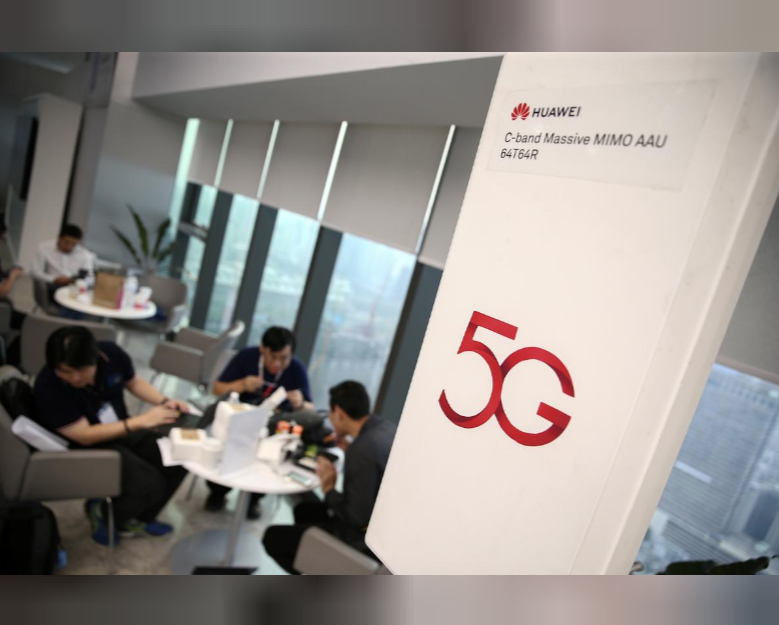
Thailand launches Huawei 5G test bed
(8 February 2019) Huawei Technologies launched its first Southeast Asian 5G testbed in Thailand despite the United States’ ongoing efforts to shun the Chinese telecommunication giant’s advances. The testbed is sited at the heart of Thailand’s US$45 billion Eastern Economic Corridor (EEC) in Chonburi, where other operators such as Nokia and Ericsson have also established 5G labs. Speaking at the launch, Thai digital economy minister Pichet Durongkaveroj said that Thailand will keep a close watch on Huawei’s alleged security issues. Meanwhile, the head of a Thai technology federation said that the affordability and quality of Huawei’s products generally supersedes any security concerns.
Read more>>

Industry players call for formalizing Myanmar-China bilateral trade
(11 February 2019) While the Central Bank of Myanmar’s (CBM) recent approval of the use of foreign currencies for trade was generally well received by industry players, much remains to be done before the economy can truly reap the benefits of employing the yen and yuan, as argued by the Myanmar Times. According to the Muse Rice Trading Centre, the absence of a Myanmar-China bilateral trade agreement means that Myanmar’s agricultural exports are not a legally recognizable form of trade. As such, even if traders use the yuan, the currency will not be entering the country through legal and formal means. Thus, the Myanmar Rice Federation recommends the creation of a border trade agreement between the two countries to ensure that Myanmar’s exports to China are legally recognized.
Read more>>

Mandalay chief minister urges rice traders to look beyond China
(11 February 2019) Mandalay rice traders should seek new markets and not depend only on exports to China, said Mandalay chief minister Dr Zaw Myint Maung. Depending solely on China puts farmers and traders at a great disadvantage as China frequently blocks rice exports from Myanmar, said the chief minister. As such, he urged Mandalay traders to take a leaf out of China’s book and not depend on a single market. He further urged industry players to modernize the sector, tap on Mandalay’s advantage as a key transportation hub, and look for new markets for rice in Europe and Africa.
Read more>>

Thailand among most popular countries for Chinese property investment in 2018
(11 February 2019) Chinese investment in the Thai property sector reached US$2.3 billion in 2018, according to data from a Chinese real estate portal. The portal also received the most inquiries on property in Thailand last year, up from the sixth spot in 2016. According to the portal, this shows that Chinese investors are generally unfazed by Thailand’s political turbulence and impending general elections. One of Thailand’s largest developers concurred with this sentiment, saying that the company has seen growing interest from foreign buyers in recent years, with Chinese buyers currently making up 70% of the company’s international sales.
Read more>>

Chinese direct investment in Singapore rose 10% year-on-year on average since 2010
(11 February 2019) Chinese investment in Singapore increased at an average rate of 10% every year since 2010 and opportunities remain despite China’s shift from an export and investment-oriented growth model to one driven by domestic consumption, said Singapore trade and industry minister Chan Chun Sing. As of end-2017, Chinese direct investments into Singapore totalled US$36.3 billion. The minister also said that the Singaporean government has taken steps to help local companies weather headwinds resulting from changes in the Chinese economy, such as through the establishment of provincial business councils in Guangdong, Jiangsu and Tianjin. Furthermore, he said that businesses can look forward to even greater market access after the ratification of the China-Singapore Free Trade Agreement later this year.
Read more>>

China-ASEAN Monitor


img-ca-110219

Photo Credit: Khaosod English


Economy, Investment and Trade


Construction of the China-Laos railway to carry on through the Spring Festival
(3 February 2019) Construction on the US$6 billion China-Laos railway carried on throughout the Spring Festival on 5 February, also known as the Chinese Lunar New Year, as engineers sought to take advantage of the favourable dry season in Laos to ensure that the project remains on track for completion. According to the Laos-China railway joint working committee, the project is entering its most crucial phase and the Spring Festival stretch was to be used to construct the beams of the longest-ever railway bridge in Laos. Construction of the 414-kilometre cross-border rail line commenced in December 2016 and is expected to begin operations in December 2021.
Read more>>

Thailand seeks alternatives to Chinese funding for high-speed rail project
(31 January 2019) Thailand will opt for domestic funding to fund 80% of the construction of the US$57.13 billion high-speed rail connecting Bangkok with the northeastern province of Nakhon Ratchasima. The project was initially encouraged by the Chinese government, who sought to link Thailand’s rail network with Laos’ under the Belt and Road Initiative (BRI). However, mounting public concern that funding from China would put the country at a disadvantaged position led the Thai government to instead seek funding from domestic sources with more favourable terms. The Finance Ministry’s Public Debt Management Office further clarified that China will not be a co-investor in the project and that it would only provide assistance in the development of technological and system infrastructure.
Read more>>

Fate of the China-Myanmar Economic Corridor railway line remains unclear
(1 February 2019) The China Railway Eryuan Engineering Corporation (CREEC) began a partial ground survey for the proposed Muse-Mandalay-Kyaukphyu railway line, despite the Myanmar government’s noncommittal stance on the project. The parties involved signed a memorandum of understanding in October 2018 and a committee was formed to study the project’s feasibility. Despite this development, concerns remain over the financial and military implications that China’s heavy involvement would have on Myanmar. For instance, Myanmar Railways’ general manager of planning and administration U Htaung Shan Khan was quoted saying that completion of the CREEC’s survey does not guarantee that the project will be greenlighted, and approval of the project also depends on the outcomes of discussions between the government and public.
Read more>>

Cambodia welcomed two million Chinese tourists in 2018
(2 February 2019) Cambodia saw a massive 70% rise in Chinese tourists last year compared to the previous year, with total numbers reaching two million tourists, stated Cambodian tourism minister Thong Khon. The increase marks the second consecutive year in which Chinese tourists have topped the total number of foreign visitors to the country. In 2017, Cambodia welcomed 1.2 million Chinese tourists, who generated US$3.6 billion in revenue for the country. As such, Cambodia sees Chinese tourists and investments as a key factor in advancing its tourism industry. It also projects that the number of Chinese tourists will reach three million per year by 2020, five million by 2025 and eight million by 2030.
Read more>>

Myanmar and Cambodia allow transactions in yuan
(31 January 2019) The Central Bank of Myanmar (CBM) introduced the Japanese yen and Chinese yuan as settlement options for banks in cross-border payments and transfers. The move is one of a slew of major reforms announced by the government recently, which includes allowing foreign banks to provide loans to domestic firms. Similarly, the National Bank of Cambodia (NBC) also announced that the yuan and yen will now be recognized as official clearing currencies in the country. Furthermore, these announcements were followed by Bloomberg’s announcement that it would include yuan-denominated Chinese government and policy bank bonds in the Bloomberg Barclays Global Aggregate Index starting in April. According to Bloomberg, once the process is completed, yuan-denominated bonds will become the fourth-largest currency bonds in the index after the US dollar, euro and yen.
Read more>>

CARI Captures 390


c390_graphic


MALAYSIA

Malaysia seeks new markets for palm oil exports
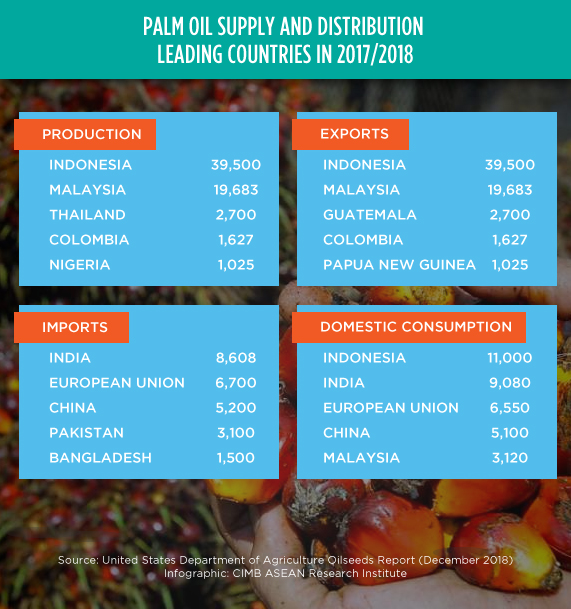
(30 January 2019) Malaysia is looking to increase its market share of palm oil exports in ASEAN countries as well as new markets such as Africa, Pakistan and Turkey. Furthermore, the country will chair the upcoming Council of Palm Oil Producing Countries (CPOPC) meeting in Jakarta on February 28 to discuss the development of the palm oil industry and issues surrounding it such as the recent boycott of palm oil imports by several European countries. According to the Malaysian Palm Oil Council (MPOC), Malaysia is the second biggest palm oil producer after Indonesia, with its overall production accounting for 39% of global output and 44% of the global market share. Palm oil also accounts for over 8% or approximately US$19.5 billion of Malaysia’s total exports.

SINGAPORE

EU Trade Committee greenlights EU-Singapore free trade agreement
(28 January 2019) The European Union’s Trade Committee has assented to the EU-Singapore Free Trade Agreement, paving the way for the finalization of the first bilateral trade agreement between the EU and a member of ASEAN. Key elements of the trade deal include removal of most tariffs between the two parties in five years, removal of non-tariff barriers on goods such as cars and electronics, greater access to Singapore’s public procurement market, as well as liberalisation of services including financial, postal, telecommunications, transport and information technology services. Once the agreement passes a European Parliament vote on February 12, the trade agreement will be passed to the EU Council for its assent while the investment protection agreement will need to be ratified by EU member states before it comes into force.

BRUNEI

Brunei economy declines 1.2% year-on-year in Q3 2018
(25 January 2019) Brunei’s economy was greatly impacted by decreasing gas and methanol production in 2018, evidenced by the decline in the country’s GDP by 1.2% in the third quarter and 2.8% in the second quarter of the year. Oil and gas accounts for 57.3% of Brunei’s economic activity and 90% of government revenue. Statistics released by its Department of Economic Planning and Development (DEPD) on January 24 found the oil and gas sector to have declined by 2.4%, liquefied natural gas (LNG) and methanol by 7.4%, and oil and gas mining by 0.7%. Further, the report attributed the decline in GDP to the 75.2% decrease in net exports of goods and services, and estimated the country’s GDP at current prices in Q3 2018 at US$4.5 billion.

MALAYSIA

Malaysia’s total trade up 5.9% to US$458.4 billion in 2018
(30 January 2019) Malaysia’s total trade rose by 5.9% to US$458.4 billion (RM1.876 trillion) from US$432.7 billion (RM1.771 trillion) in 2017, surpassing the government’s forecast. The announcement was made by international trade and industry minister Datuk Darell Leiking, who also said that the country’s exports grew by 6.7% year-on-year to reach US$243.9 billion while imports grew by 4.9% to US$214.5 billion. As such, Malaysia’s trade surplus widened by 22.1% to US$29.5 billion — this was touted by the Leiking as the “fastest rate in 10 years and the largest trade surplus since 2012.” ASEAN remains a key trade partner for Malaysia, accounting for 27.1% of the country’s total trade at US$124.4 billion.

CAMBODIA

Cambodia’s trade deficit grew by 22% in 2018
(29 January 2019) Cambodia’s trade deficit reached US$5.2 billion in 2018 as the country’s imports (US$18.8 billion) continue to outstrip its exports (US$13.6 billion), according to a report published by the National Bank of Cambodia (NBC) on January 27. The report found that the increase in imports was largely due to a higher demand for construction materials, raw materials for manufacturing, vehicles and food-related goods. Data from the NBC also found the EU to be the largest market for Cambodian exports last year, accounting for 29% of its total exports. The EU is followed by the US (24%), the United Kingdom (9%) and Japan (8%). Meanwhile, Cambodia’s imports largely originated from China (40%), Thailand (15.5%), Vietnam (11.7%) and Japan (4%).

PHILIPPINES, INDONESIA

Indonesian crude oil producer eyes US$1 billion investment in Philippines LNG project
(30 January 2019) Indonesia’s second-largest crude oil producer PT Pertamina has expressed an interest to invest up to US$1 billion in the development of a LNG hub in the Philippines, said Philippines trade and industry secretary Ramon M. Lopez, who indicated that this was a sign of investor confidence in the country. According to a statement by the Philippine trade department, the state-owned PT Pertamina stands ready to offer its expertise by investing in floating or land-based LNG regasification units. Lopez’s declaration that the Philippines is “very much open for LNG investors” comes as no surprise as the country has been importing LNG to fuel its power plants in Batangas as domestic gas supplies from the country’s Malampaya field is set to run out as early as 2024.

MYANMAR

Myanmar government’s investment summit showcases projects worth over US$3 billion
(28 January 2019) The Myanmar government hosted its first official summit for international investors in Naypyitaw on January 28-29 showcasing 120 projects with a combined value of over US$3 billion. Speaking at the opening address, State Counselor Daw Aung San Suu Kyi touted Myanmar’s low labour costs, strategic geographical location between India and China, as well as its proximity to the Bay of Bengal and Andaman Sea, as advantages in investing in the country. The summit comes under the Myanmar Investment Promotion Plan (MIPP), which aims to attract an average of US$8.5 billion a year by 2026, US$12.3 billion by 2031 and US$17.6 billion by 2036. The MIPP also aims to push the country into the top 100 countries on the World Bank’s ease of doing business index by 2020 and the top 40 by 2035.

THAILAND

Thailand to push for the conclusion of RCEP negotiations in 2019
(29 January 2019) Thailand aims to conclude negotiations pertaining to the Regional Comprehensive Economic Partnership (RCEP) by the end of the year in order to cushion the effects of the US-China trade war, said the director-general of the Thai Commerce Ministry’s Department of Trade Negotiations (DTN) Auramon Supthaweethum. According to Supthaweethum, exports contribute up to 70% of the country’s GDP. As such, the finalisation of the RCEP is a top economic priority for Thailand as ASEAN Chair as the pact would help bolster the country’s chances of achieving its export growth target of 8% in 2019. She added that the DTN is also in discussions with Sri Lanka, Turkey and Pakistan, and it hopes to complete draft FTAs with these countries by the end of the year.

ASEAN

India looks to boost trade with ASEAN countries through MSME exports
(26 January 2019) India is looking to boost its micro, small and medium enterprise (MSME) exports to ASEAN countries as the country is far from living up to its trade potential with the region, said Indian High Commissioner to Singapore Jawad Ashraf during the five-day India Week held in Singapore recently. According to Ashraf, India’s trade with ASEAN constitutes only 2.5% of the bloc’s total trade and the High Commission is prioritizing MSMEs as they account for over 45% of India’s exports. He also expressed the country’s aspirations to elevate cooperation with the region through the existing ASEAN-India Free Trade Agreement, upcoming Regional Comprehensive Economic Partnership (RCEP), and the India-Singapore Comprehensive Economic Cooperation Agreement (CECA) which is currently undergoing a third review.

ASEAN

European firms urge ASEAN members to hasten regional economic integration /a>
(29 January 2019) Only 12% of European businesses polled in a business sentiment survey conducted by the EU-ASEAN Business Council (EU-ABC) in 2018 believe that ASEAN has succeeded in its goal of serving as an integrated regional market and production hub. Of the 330 European executives in Southeast Asia surveyed, 54% feel that ASEAN economic integration is moving too slowly, while 67% feel that there are still far too many knots in regional supply chains to operate efficiently. Speaking at a briefing in Makati City, the EU-ABC’s executive director noted that the majority of respondents viewed ASEAN as the region “with greatest economic potential” but noted that much needs to be done in order to meet its objectives of lowering trade barriers and doubling intra-ASEAN trade by 2025.

Mekong Monitor


img-mm-310119

Photo credit: Vietnam News


TRADE, ECONOMY, AND INVESTMENT


VIETNAM, THAILAND

Vietnam and Thailand head toward $20 billion in trade by 2020
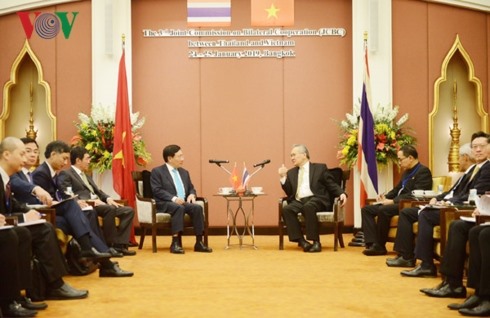
(26 January 2019) Vietnam and Thailand agreed to work towards reaching US$20 billion in bilateral trade by 2020 during the recent Joint Committee on Bilateral Cooperation meeting held in Bangkok chaired by Vietnamese deputy prime minister and foreign minister Pham Binh Minh and Thai foreign minister Don Pramudwinai. Both sides agreed to boost investment and business cooperation, as well as cooperation with member states to promote the role of ASEAN in key regional issues, with both countries Chairing ASEAN in 2019 and 2020 respectively. Notably, Vietnam lauded the Thai government’s agreement to expand the occupational areas in which Vietnamese workers will be permitted to work in in Thailand.
Read more>>

CAMBODIA, THAILAND

Cambodia-Thailand trade up by 35% despite lower exports
(24 January 2019) Bilateral trade between Cambodia and Thailand reached US$8.4 billion last year, a 35.5% growth from US$6.1 billion in 2017. Of the sum, Cambodia’s imports from Thailand grew by 44% reaching US$7.6 billion, while its exports declined by 14.1% reaching only US$768 million. According to vice president of the Cambodia Chamber of Commerce, the country’s significant increase in imports from Thailand was backed by strong economic growth in 2018, driven particularly by its construction and tourism sectors. The vice president also attributed the decline in Cambodian exports to border trade restrictions on raw agricultural products imposed by the Thai authorities. However, he noted that authorities in both countries agreed to establish a working group to address these trade issues.
Read more>>

THAILAND, VIETNAM

Bangkok Airways expands new routes to Vietnam
(30 January 2019) Bangkok Airways expanded its reach in secondary Vietnamese markets with the launch of a new direct route from Bangkok to Vietnam’s central coastal town of Cam Ranh. The new service comes as part of the airlines’ strategy to tap on high potential, low competition routes to niche tourist destinations. According to the Vietnamese National Administration of Tourism, Cam Ranh and other cities in Vietnam’s Khanh Hoa province received 6.3 million visitors in 2018 and the number is expected to rise by half a million this year. The airline also plans to add more routes to Luang Prabang and Krabi later this year, as well as a route connecting Thailand to Myeik and Dawei in southeastern Myanmar.
Read more>>

THAILAND

Thai power plan involves possible participation of Cambodia and Laos
(25 January 2019) Thailand’s National Energy Policy Council (NEPC) has approved the country’s power development plan (PDP) for the 2018-2037 period. Among the highlights of the PDP were provisions emphasizing greater private sector participation in power generation, reducing the fraction of power generated by the state-run entity from 35% to 24%, increasing representation of non-fossil power sources to 35% of the country’s total power capacity by 2037, and reducing coal-fired power plans to 12% by the same year. Further, the NEPC has ordered the Energy Ministry to begin discussions with Laos and Cambodia on their power generating capacity and prices if they wish to establish plants and sell power to Thailand. The new PDP is the first of five new plans to be enacted under the country’s energy reform blueprint, with the other four plans being in the areas of oil management, natural gas supply, alternative energy development, and energy savings and efficiency.
Read more>>

MEKONG

Analysts urge ASEAN to play a greater role in the Mekong subregion
(30 January 2019) There are presently 12 cooperation mechanisms related to the Greater Mekong Subregion (GMS), the most recent one being the China-led Lancang-Mekong Cooperation (LMC) framework created in 2015. However, progress has been slow when it comes to ASEAN’s involvement in the development of the Mekong subregion, such as the slow progress made in advancing the ASEAN Mekong Basin Development Cooperation (AMBDC) platform. This was argued by analysts from Nanyang Technological University in Singapore. The AMBDC’s flagship project — the Singapore-Kunming Rail Link — remains unfinished despite the idea being mooted more than twenty years ago. As such, ASEAN ought to pay more attention to the subregion to achieve greater connectivity within Southeast Asia and ensure that it does not lose its relevance to other countries such as China and Japan.
Read more>>


mekong-monitor-map

About Greater Mekong Subregion (GMS)

The Greater Mekong Subregion (GMS) Economic Programme was launched by the Asian Development Bank in 1992 connecting five developing ASEAN countries, namely Cambodia, Laos, Myanmar, Vietnam and Thailand, and Chinese provinces of Yunnan and Guangxi Zhuang Autonomous region. The region has some of the most robust economies sharing the Mekong River Basin thanks to its reform and liberalisation. The subregion is growing at a faster pace than the whole of East Asia and the Asia Pacific as the GDP growth rate for 2017 was at 6.4 percent, according to the World Bank. The population at the subregion as of 2016 is at 340 million while the GDP at PPP is at US$3.1 trillion in 2016. In 2015, trading within the region was at US$444 billion.

China-ASEAN Monitor


img-ca-230119

Photo Credit: The Straits Times


Economy, Investment and Trade


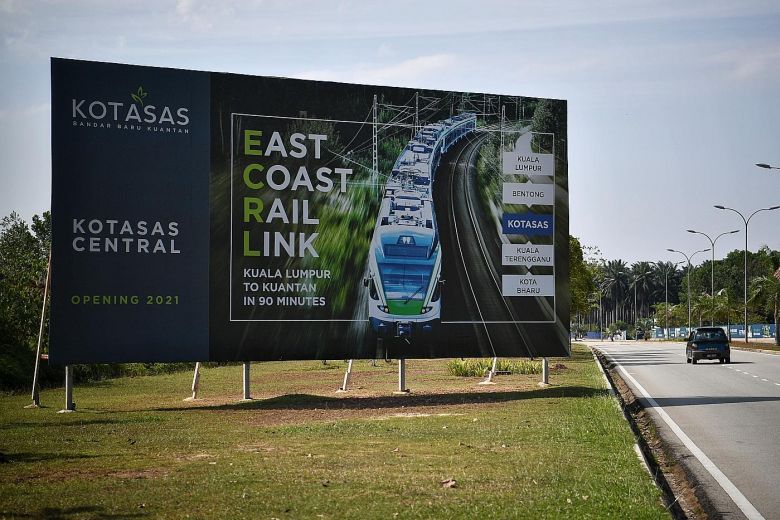
Status of Malaysia’s ECRL project remain unclear despite announcment to cancel
(27 January 2019) Malaysian economic affairs minister Datuk Seri Azmin Ali announced plans to cancel its US$20 billion East Coast Rail Link (ECRL) project with contractor China Communications Construction Co (CCCC) last week due to high costs. The minister added that the interest on the project alone would cost US$121.6 million a year and the country did not have the financial capacity to bear this. However, on January 29 Malaysian Prime Minister Mahathir Mohammed has stated that Finance Minister Lim Guan Eng will soon provide a clear explanation on the actual status of the project. The ECRL is potentially the second China-backed project that the Malaysian government will call off — the first being a natural gas pipeline in Sabah. According to a study by a US-China think tank, the ECRL is the second most costly project under China’s Belt and Road Initiative (BRI), behind the US$21.4 billion Moscow-Kazan high-speed railway project in Russia.
Read more>>

Construction on Cambodia’s first major expressway to begin in March
(28 January 2019) The US$1.9 billion expressway linking Phnom Penh to the deep sea port in Preah Sihanouk will break ground in March with as part of China’s BRI, said Chinese ambassador to Cambodia Wang Wentian. The project, which will take four years to complete, will be built on a build-operate-transfer basis by the state-owned Chinese Communications Construction Company (CCCC). According to Cambodian transport minister Sun Chanthol, 200 construction workers from China have arrived in Cambodia earlier this month and US$100 million worth of construction materials will reach the country soon to build the expressway. Meanwhile, Prime Minister Hun Sen called on companies to consider investing in another US$3 billion expressway connecting Phnom Penh to Bavet — a city on the Cambodia-Vietnam border — during his recent visit to China.
Read more>>

Cambodia and China aim to raise trade volume and explore entering an FTA
(24 January 2019) Cambodia will set up more trade centres in Beijing, Kunming and other cities on top of its existing centres in major cities such as Guangzhou, Hainan and Xi’an, said commerce minister Pan Sorasak in Beijing. Bilateral trade between the two countries reached US$5.6 billion in 2018 and the two countries agreed to aim for trade worth US$10 billion by 2023. According to minister in the Prime Minister’s office Kao Kim Hourn, the Chinese government also agreed to increase its quota of Cambodian rice imports by 100,000 tonnes and explore the possibility of entering a bilateral free trade agreement (FTA) with Cambodia.
Read more>>

Malaysia first Asian country outside China to initiate Alibaba Netpreneur Training Program
(18 January 2019) The education arm of Alibaba Group has selected Malaysia for its inaugural Alibaba Netpreneur Training Program, organized in collaboration with various Malaysian government agencies under the ongoing eWTP (electronic world trade platform) initiative in Malaysia. This makes Malaysia the first Asian country outside China to initiate the program. The 10-day program, held in Alibaba’s headquarters in Hangzhou, China, aims to equip Malaysian entrepreneurs and businesses in tackling the many challenges they face while adapting to digital era. The Malaysian Digital Economy Corporation (MDEC) applauded the program saying that it was yet another important step forward in “broadening the opportunities for Malaysian businesses and entrepreneurs to reap the benefits offered by the tremendous continued growth of eCommerce and the digital economy.”
Read more>>

Singapore, Malaysia and Thailand are top destinations for Chinese mobile payment
(25 January 2019) A study by Nielsen found Singapore, Malaysia and Thailand to be the top destinations for Chinese tourists using mobile payment outside of Greater China. Of the 1,244 businesses surveyed in areas frequented by Chinese tourists, around 60% of businesses in Singapore and Kuala Lumpur were found to accept mobile payments, while 55% of businesses in Bangkok do. Supermarkets and convenience stores recorded the highest adoption rate of Chinese mobile payment of all business categories at 75%. Further, the study found that the leading reasons for adoption of mobile payments were the sheer volume of Chinese tourists who represented “a significant source of foot traffic and turnover” and because 90% of businesses have been asked by Chinese tourists if mobile payment was accepted in their store.
Read more>>

CARI Briefings: Leveraging ASEAN solutions for trade through ASSIST – The EU’s support under the ARISE Plus Programme

Published on 30 January 2019

img-text-cariviewpoint14


SPEAKER

Paolo R. Vergano

Paolo R. Vergano

Trade Facilitation Expert, ARISE Plus Project of ASEAN Regional Integration Support by the EU

Read more

Paolo R. Vergano is a founding partner at FratiniVergano – European Lawyers in Brussels, Belgium and Singapore (www.fratinivergano.eu) and key expert for trade facilitation in the ARISE Plus project of ASEAN Regional Integration Support by the EU. His practice focuses on international trade law (i.e., WTO, EU and ASEAN law, market access, trade facilitation, dispute settlement and trade negotiation in the areas of agriculture, services and non-tariff measures, such as sanitary and phytosanitary measures and technical barriers to trade). He has been advising the ASEAN Secretariat, ASEAN Member States and businesses operating in ASEAN on issues of international trade law and regional economic integration since 2007. Most recently, he has been involved in the establishment and operationalization of the ASEAN Trade Repository (ATR) and of the system of ASEAN Solutions to Services, Investment and Trade (ASSIST), two important trade facilitation instruments, developed with support by the European Union through the ARISE and ARISE Plus programmes, that aim at enabling the private sector to achieve increased regulatory transparency and address trade irritants within ASEAN, particularly with respect to Non-Tariff Measures (NTMs) and Non-Tariff Barriers (NTBs). Mr. Vergano is a graduate of the Faculty of Law of the University of Torino, Italy (1995), received a Diplôme Supérieur de Droit Comparé at the Faculté Internationale de Droit Comparé in Strasbourg, France (1996) and holds a Master’s degree in International Business and Trade Law from the University of Fordham School of Law in New York, United States (1997). He teaches at the World Trade Institute in Bern, Switzerland since 2002, as well as at UPH in Jakarta and LUISS University in Rome. He is a frequent lecturer in universities around the world and author on issues of WTO, EU and ASEAN law.

CHAIR

TSMM

Tan Sri Dr. Munir Majid

Chairman, CIMB ASEAN Research Institute President, ASEAN Business Club

Read more

Tan Sri Dr. Munir is currently Chairman of CIMB ASEAN Research Institute, of Bank Muamalat Malaysia Berhad, of the Financial Services Professional Board, of ASEAN Business Advisory Council, Malaysia, as well as President of the ASEAN Business Club. He also sits on the board of the Institute of Strategic and International Studies (ISIS) Malaysia and on the Financial Services Talent Council of Bank Negara Malaysia.

He has an extensive experience and is well known in the Malaysian corporate world. He had been the Group Editor of the New Straits Times, first executive chairman of CIMB and founding chairman of the Malaysian Securities Commission. After stepping down from the Securities Commission, he became Independent Non-Executive Director of Telekom Malaysia Berhad, Chairman of Celcom (Malaysia) Berhad and Non-Executive Chairman of Malaysian Airline System Berhad. He was Founder President of the Kuala Lumpur Business Club, established in 2003 and is a member of the Court of Fellows of the Malaysian Institute of Management.

Tan Sri Dr. Munir obtained a B.Sc (Econ) and Ph.D in International Relations from the London School of Economic and Political Science (LSE) in 1971 and 1978. He is an Honorary Fellow of LSE and continues the long association with his alma mater as Visiting Senior Fellow at the Centre of International Affairs, Diplomacy and Strategy. Tan Sri Dr. Munir is an associate of Southeast Asia Centre (SEAC) at LSE.


The first CARI Briefing of 2019 was presented by Trade Facilitation Key Expert for ASEAN Regional Integration Support by the EU (ARISE) Plus Paolo R. Vergano, where he expanded upon the benefits of the ASEAN Solutions for Investments, Services and Trade (ASSIST) platform.

Titled ‘Leveraging ASEAN solutions for trade through ASSIST: The EU’s support under the ARISE Plus Programme’, during the briefing Paolo argued that the platform is the best mechanism for ASEAN-based entities to address any issues they may face with regards to cross border intra-ASEAN trade in goods and services, and in furthering the economic integration of the region as laid down in the ASEAN Economic Community (AEC) agenda of 2015, particularly through the promotion of regulatory transparency.


Key features of ASSIST

  • ASSIST is meant to be an easy to use, cost-free Internet-based platform meant to deal with issues pertaining to the cross-border trade in goods, services, and investments, although as of now it is only dealing with goods (it will be expanded to services in May 2019).
  • It can only be utilized by entities registered in any of the ten ASEAN Member States (AMS), and it can only be used for intra-ASEAN or cross-border trade issues.
  • Anonymity One of the new features of ASSIST is the ability for firms to file cases anonymously. Thus, firms who may be afraid of retaliation if they lodge a complaint with a third-party government can now file cases using a representative entity or a law firm (the latter must be registered in ASEAN). A representative entity can include chambers of commerce, trade associations, business federations, or business councils. As Vergano explained, business who may be afraid of being exposed could have their trade associations file a case on the behalf of multiple entities in the same industry holding the same grievance.
  • ASSIST is a non-binding and consultative mechanism. It is not a judicial or adjudication system. It merely provides a channel for the private sector to allay their problems to the governments, who can then provide a possible solution. It is meant to provide transparency in the system, and allow governments to explain certain regulations and why they are not discriminatory. As he pointed out, not every case filed on ASSIST has to be a ‘negative, confrontational discussion’, as companies can also use the portal to clear up misunderstandings with the authorities.


Key Actors

  • AE: ASEAN-based Enterprise that raises an issue/query/complaint through ASSIST. Anonymity can be preserved by lodging cases through trade associations, chambers of commerce, business councils/federations, lawyers or law firms. New anonymity features have been developed, allowing anonymous complaints to be filed on behalf of AEs by these representative entities. Special rules apply for ASEAN-registered lawyers or law firms.
  • CA: Central Administrator of ASSIST, responsible for checking the completeness of the complaint submitted by the AE, for verifying the standing of the complaining AE, for forwarding the application to both the Home Contact Point (HCP) and the Destination Contact Point (DCP), for monitoring progress in accordance with the agreed deadlines, and for reporting the response/resolution back to the AE. The CA is also charged with the maintenance of the integrity of the ASSIST portal.
  • The ASEAN Secretariat (ASEC) acts as the CA. ASSIST is run by ASEC’s TFD for Trade in Goods and by ASEC’s SID for Trade in Services.
  • HCP: Home Contact Point, which is the national body in the ASEAN Member State of the AE that is notified of the query/complaint by the CA.
  • DCP: Destination Contact Point, which is the national body in the ASEAN Member State where the issue is raised and that is responsible for accepting (or rejecting) the issue and then coordinating the resolution/response by the relevant responsible authority(ies) (RAs).
  • RA(s): Responsible Authority(ies) in the country of the DCP that will investigate the issue/complaint and provide a solution, if possible.


The Process

  • Applicants will need to register and receive a password-protected log-in;
  • Standardised online application forms have been developed for use;
  • ss-arise-website

  • A computer-generated tracking code is assigned, with CA/HCP notified;
  • CA will assess the complainant’s ‘standing’ and complaint’s completeness;
  • CA may request the complainant to provide additional information or clarifications;
  • CA will inform AE and submit complaint to DCP/HCP, if there is ‘standing’;
  • Maximum time limit is set for DCP to accept/reject complaint;
  • Rejections of complaints must be motivated with a reason;
  • If accepted, DCP will involve RA(s) and fixed time limits will apply;
  • RAs/DCP may request a single time extension if the issue is complex;
  • RAs/DCP must provide a response/resolution/remedy in written form;
  • CA will follow-up. If DCP/RAs unresponsive, issue will be referred to AMSs;
  • DCP will provide solution to CA or advise why the case is not solvable;
  • CA will register the solution on ASSIST and send it to the AE and the HCP;
  • The AE (or its representative entity) will notify the CA if it considers the issue satisfactorily addressed (i.e., resolved/settled);
  • If not satisfied, the AE may advise the CA on its intended course of action;
  • A ‘traffic light’ dashboard will be available on ASSIST to show progress of each complaint (Green: on schedule; Yellow: warning; Red: delayed);
  • A ‘public forum’ section of the ASSIST portal will in the future provide data/statistics on complaints, operational guidelines, success stories of resolved cases, feedback from users/AEs, and tips on using ASSIST;
  • A FAQ page is available on the website. User Manual for CA/HCPs/DCPs;
  • No confidential information will be placed on the public forum.


Promoting Transparency

Mr. Vergano argues that the ARISE-Plus program is ultimately based on the premise of promoting transparency, so that the private sector is aware of the regulatory environment and what their rights are and where they can challenge governments if they feel said rights have been violated.

Besides the ASSIST, he references another instrument promoted by ARISE-Plus called the ASEAN Trade Repository (ATR), which is to make transparent all rules, norms, regulations and procedures which impact regional trade through a single platform in a standardized form. The benefit of ASSIST, he said, is to provide a link to the ATR for ASEAN-based businesses.

Vergano points out that the ATR is continuously aggregating information from each country’s National Trade Repositories for the benefit of locally based entities. However, he adds that the pace of uploading information to the ATR has been ‘pitiful’, and that it is incumbent on the private sector to pressure their governments to do more as promised in the ATIGA agreement.

For full presentation, please click here.

CARI Briefing

CARI Briefing

CARI Briefing

CARI Briefing

CARI Briefing

CARI Briefing

CARI Briefing

CARI Briefing

CARI Briefing

Malaysia: January Monetary Policy Committee – Prospects of OPR hike dim


HIGHLIGHTS

January Monetary Policy Committee: Prospects of OPR hike dim

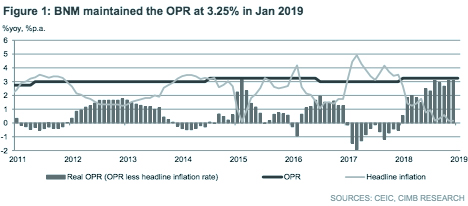
  • BNM kept OPR at 3.25% at the first MPC meeting of 2019, as widely expected.
  • Private sector to do the heavy lifting in sustaining growth in Malaysia amid consolidation in public spending and softening external sector.
  • Moderating global growth, a less hawkish Fed and subdued domestic inflation provide room for an extended pause in monetary policy.
  • We now expect BNM to leave monetary policy on hold and therefore adjust our end-2019 OPR forecast to 3.25%.

img-my2-19-1

Status quo for OPR
As widely expected, Bank Negara Malaysia’s (BNM) Monetary Policy Committee (MPC) maintained the Overnight Policy Rate (OPR) at 3.25% for the sixth straight meeting. The decision was well anticipated by us and all analysts surveyed by Bloomberg.

img-bnm

Domestic demand to drive GDP growth as external prospects dim
The MPC statement made a more cautious assessment on global economic outlook as trade tensions began to impact global trade performance and investment activity in late 2018. BNM highlighted country-specific factors as one of the key downside risks for global growth prospects. As a result, the central bank assessed that the external sector is likely to soften amid moderating global growth, a downgrade from its previous assessment which indicated that “exports are projected to provide an additional lift to growth, albeit to a lesser extent.” On the domestic front, BNM projected sustained expansion in private consumption and private investment to offset consolidation in public spending.

US Fed Reserve backpedals from more hawkish stance
While the Federal Reserve raised the US Fed Funds Rate (FFR) to 2.25-2.50% in December 2018 as widely expected, policymakers signalled a slower pace of interest rate normalisation, with the median dot plot projections pointing to two rate hikes in 2019 from three in September 2018. Signs of slowing economic activity cited in the Fed Beige Book, as well as the ongoing US government shutdown, have led to Fed policymakers urging patience on further monetary tightening. We now expect the Fed to take a less hawkish path to FFR hikes in 2019, with just two rate hikes vs. an earlier assumption of three.

Monetary policy on hold amid subdued inflation
Against a backdrop of weaker oil prices since November, we lower our headline inflation forecast from 2.7% to 1.8% in 2019. The materialisation of two risks to our monetary policy outlook, namely inflation undershooting the policy target as well as a less hawkish Federal Reserve, leads us to remove our call for one interest rate increase in 2H19. We now expect BNM to leave monetary policy on hold and therefore adjust our end-2019 OPR forecast to 3.25%.
 

img-my2-19-2

img-my2-19-3

Originally published by CIMB Research and Economics on 24 January 2019.