


Author Archives: admin
Canada names ambassador to Myanmar
Burma’s ‘Kayan Beauties’ Wins Asean Film Award
Tension over South China Sea Rises with US Intervention
31 March, 2013
Political Security
- State-run media of China highlights a few of their Navy’s operations in the South China Sea and East China Sea, portraying the amphibious landing ship Jinggangshan’s open-ocean training mission near Malaysia and Brunei
- While China believes in negotiations to solve territorial disputes with the Philippines in the South China Sea, US has assured ‘full support’ in Philippines’ bid for arbitration through the United Nations
- In the meantime, all participants in the 19th China-ASEAN Senior Officials’ Consultation have agreed to make a combined effort towards a code of conduct in the South China Sea
Our Focus
The private sector is evidently a crucial stakeholder to the success, or failure, of the profound regional structural reform taking shape in Southeast Asia — the formation of the ASEAN Economic Community 2015.
CARI’s research mandate is to assist the private sector understand, prepare for and transition into the regional integration, involving ten countries of ASEAN.
In gearing towards this monumental formation of economic transformation, our research aims to build a case for an integrated market of ASEAN which facilitates freer trade in goods, services, labour, capital and investment by untangling the AEC blueprint for different business sectors.
We engage frontline business community, academics, media and policy makers to produce business and corporate strategies enablers, by identifying the barriers to operating in a region coming together as an economic bloc. Ultimately, we seek to use our findings as a foundation for open dialogue with the policy makers towards lifting these roadblocks.
Suu Kyi reappointed as Myanmar opposition leader
Singapore to maintain strong links with US, China: Foreign Minister
25 March, 2013
Political Security
- Minister for Foreign Affairs K. Shanmugam said strengthening regional relationships is the key to protecting Asean and Singapore’s interests in these turbulent times
- He said 2012 was not a year ASEAN could be proud of due to the disputes in the South China Sea, adding that the disputes painfully tested the credibility and unity of the bloc
- Looking ahead, he said ASEAN’s position on the issue – involving formal negotiations on a Code of Conduct – remains unchanged despite calls by the Philippines for a tribunal and prompt negative responses from Beijing
- He said Singapore will work together with Brunei to ensure the success of the latter’s chairmanship
- Shanmugam added that Singapore’s foreign policy stance is to maintain strong links with both the United States and China, adding that both countries are interdependent on each other
Obama to raise territorial dispute at Asia summits
12 March, 2013
Political Security
Obama to raise territorial dispute at Asia summits
- US Secretary of State John Kerry said that the US looks forward to working with Brunei on issues like the South China Sea, energy and climate change
- The White House said the visit from the Sultan of Brunei underscores the strategic importance the president places on the Asia Pacific region and to substantive engagement with friends and partners in the region
- President Barack Obama pledged to bring up maritime disputes boiling between China and its neighbours at the US-ASEAN and East Asia summits this October
- Obama said the summits would also be a good venue to discuss commerce, economic and other diplomatic issues impacting a region to which he has “pivoted” US diplomatic and military resources
- The president also noted that the United States would take part in the first ASEAN-US-China joint exercise, to test how Pacific military powers can work together on disaster relief
ASEAN RESEARCH DIGEST
TABLE OF CONTENT
(Click any topic to read the related section)
- ASEAN RESEARCH DIGEST 1
- ASEAN RESEARCH DIGEST 2
- ASEAN RESEARCH DIGEST 3
- ASEAN RESEARCH DIGEST 4
- LIFTING-THE-BARRIERS REPORT FOR ASEAN CAPITAL MARKETS
- LIFTING-THE-BARRIERS REPORT FOR ASEAN FINANCIAL SERVICES
- LIFTING-THE-BARRIERS REPORT FOR ASEAN AVIATION
- LIFTING-THE-BARRIERS REPORT FOR ASEAN INFRASTRUCTURE, POWER AND UTILITIES
- LIFTING THE BARRIERS REPORT FOR ASEAN CONNECTIVITY
- LIFTING THE BARRIERS REPORT FOR ASEAN HEALTHCARE
- NON TARIFF BARRIERS (NTBs) HINDERING ASEAN AUTOMOTIVE INTEGRATION
- ASEAN SHOULD FOCUS ON LOW HANGING FRUITS IN LEGAL HARMONISATION
- ASEAN SHOULD CREATE A STRONG SUSTAINABLE INDUSTRIAL ECOSYSTEM FOR THE REGION’S EXTRACTIVE INDUSTRY
- HARMONISATION OF STANDARDS IS KEY FOR INCREASING INTRA-ASEAN FOOD TRADE
- BORDERLESS BY NATURE, E-COMMERCE SHOULD BE USED AS A VEHICLE TO DRIVE ASEAN RETAIL INTEGRATION
- INDUSTRY-LED INITIATIVES ARE CRUCIAL TO ASEAN FINANCIAL INTEGRATION
- REDUCING TAX COMPLEXITY IN ASEAN SUPPORTS ALL BUSINESSES, ESPECIALLY SMEs
- ASEAN NEEDS TO ADOPT BASE STANDARDS ACROSS THE REGION AS FIRST STEP TOWARDS HARMONISATION
- STRENGTHENING THE ROLE OF THE PRIVATE SECTOR IS KEY FOR ASEAN TOURISM INTEGRATION
- ASEAN SHOULD FOCUS ON HEALTH TOURISM, ASEAN-WIDE HEALTH INSURANCE, AND TALENT MOBILITY
- ASEAN NEEDS TO PROVIDE THE RIGHT ENVIRONMENT TO MAKE PRIVATE INVESTMENTS IN INFRASTRUCTURE MORE FEASIBLE
- INDUSTRY-LED INITIATIVES CAN ACCELERATE EVOLUTION TOWARDS AN INTEGRATED ASEAN MARKET
- ASEAN NEEDS TO CATCH UP ON RETAIL INNOVATION, REMOVE NTBS AND IMPROVE ACCESS TO TALENT

ASEAN NEEDS TO CATCH UP ON RETAIL INNOVATION, REMOVE NTBS AND IMPROVE ACCESS TO TALENT
- Retail in ASEAN quickly moving towards an omni-channel structure and sustainable growth for the sector in the region is dependent on strategies that market new products & services. Retail innovation is not only important but has become an imperative for all the players in the sector who want to remain competitive. This report covers the four barriers that are limiting this growth and innovation in retail within ASEAN and, steps that need to be done in the short and long term to overcome them.

To receive ASEAN Research Digest sent directly to your inbox, please subscribe here.

INDUSTRY-LED INITIATIVES CAN ACCELERATE EVOLUTION
TOWARDS AN INTEGRATED ASEAN MARKET
- Policy-led financial integration is likely to make slow progress, even between the more financially developed ASEAN members. Industry-led initiatives on the other hand could potentially accelerate financial sectors and capital markets of ASEAN nations towards an integrated regional market. This report explored 3 such initiatives.
To receive ASEAN Research Digest sent directly to your inbox, please subscribe here.
ASEAN NEEDS TO PROVIDE THE RIGHT ENVIRONMENT TO MAKE
PRIVATE INVESTMENTS IN INFRASTRUCTURE MORE FEASIBLE
- The limited private sector participation in formulating the integration strategy of the ASEAN tourism sector shows the weakness of the tourism private sector to organise itself to deal with regional issues, as well as the fact that the public sector views industry participants as mere actors in the tourism sector and not the key drivers of its development. Strengthening the private sector‘s capacity to organise itself to make a clear stance against key barriers hindering the sector‘s growth as well as the full participation of the private sector in the formulation and implementation of integration strategy is therefore crucial to reap the full benefits of tourism integration.
To receive ASEAN Research Digest sent directly to your inbox, please subscribe here.

ASEAN SHOULD FOCUS ON HEALTH TOURISM, ASEAN-WIDE
HEALTH INSURANCE, AND TALENT MOBILITY
- The ambitious ASEAN vision for an integrated healthcare sector has faced obstacles as the ASEAN members are at different development stages, have separate languages and tax structures, and follow different standards and qualifications. ASEAN should focus on health tourism, ASEAN-wide insurance, and talent mobility, which would enable more exchange, increase market coverage, and increase the efficiency of talent distribution.
To receive ASEAN Research Digest sent directly to your inbox, please subscribe here.
STRENGTHENING THE ROLE OF THE PRIVATE SECTOR IS KEY FOR
ASEAN TOURISM INTEGRATION
- The private sector needs to take a larger role in infrastructure development as there is a huge infrastructure gap in ASEAN that cannot be funded by the governments or MDBs. In order for the private sector to channel funds into infrastructure, ASEAN governments need to ensure capable leadership, a good regulatory framework, and fair risk sharing.
To receive ASEAN Research Digest sent directly to your inbox, please subscribe here.
ASEAN NEEDS TO ADOPT BASE STANDARDS ACROSS THE REGION AS FIRST
STEP TOWARDS HARMONISATION
- To ensure a truly single aviation market in ASEAN, the post-2015 ASEAN Single Aviation Market (ASAM) agenda must pursue greater investments in infrastructure and human capital to keep up with the additional planes entering the ASEAN market and technical/regulatory integration must take place in the subsequent phase of ASAM to complement economic liberalisation.
To receive ASEAN Research Digest sent directly to your inbox, please subscribe here.

REDUCING TAX COMPLEXITY IN ASEAN SUPPORTS ALL BUSINESSES,
ESPECIALLY SMEs
- To examine at the current global and ASEAN tax landscapes, as well as explore the potential of reducing tax complexity and having an AEC tax agenda.
To receive ASEAN Research Digest sent directly to your inbox, please subscribe here.

INDUSTRY-LED INITIATIVES ARE CRUCIAL TO ASEAN FINANCIAL INTEGRATION
- To explore the key challenges to ASEAN integration in financial services and capital markets and to provide some suggestions as to what ASEAN should do in light of these challenges. The report also looks at what ASEAN can learn from the EU experience of integration.
To receive ASEAN Research Digest sent directly to your inbox, please subscribe here.

BORDERLESS BY NATURE, E-COMMERCE SHOULD BE USED AS A VEHICLE TO DRIVE ASEAN RETAIL INTEGRATION
- To provide a structured understanding of the main barriers to e-commerce whilst providing guidance on the way forward. The report specifically shares an overview of the retail e-commerce across the ASEAN-6 ¹ and suggests how each barrier can be lifted to unlock the full potential of retail e-commerce in the region.
To receive ASEAN Research Digest sent directly to your inbox, please subscribe here.

HARMONISATION OF STANDARDS IS KEY FOR INCREASING INTRA-ASEAN FOOD TRADE
- Significant challenges remain in the food and beverage sector, as different national rules and regulations between ASEAN members create technical barriers to trade (TBTs), which are a major impediment for the expansion of regional and global food trade
To receive ASEAN Research Digest sent directly to your inbox, please subscribe here.
ASEAN SHOULD CREATE A STRONG SUSTAINABLE INDUSTRIAL ECOSYSTEM FOR THE REGION’S EXTRACTIVE INDUSTRY
- ASEAN should create a strong sustainable industrial ecosystem for the region’s extractive industry
To receive ASEAN Research Digest sent directly to your inbox, please subscribe here.

ASEAN SHOULD FOCUS ON LOW HANGING FRUITS IN LEGAL HARMONISATION
- ASEAN should focus in low hanging fruits in legal harmonisation
To receive ASEAN Research Digest sent directly to your inbox, please subscribe here.

NON TARIFF BARRIERS (NTBs) hindering ASEAN automotive integration
- Non tariff barriers (NTBs) hindering ASEAN automotive integration
To receive ASEAN Research Digest sent directly to your inbox, please subscribe here.

LIFTING THE BARRIERS REPORT FOR ASEAN HEALTHCARE
- Healthcare developmental and funding gaps are the main barriers to deeper integration.
To receive ASEAN Research Digest sent directly to your inbox, please subscribe here.
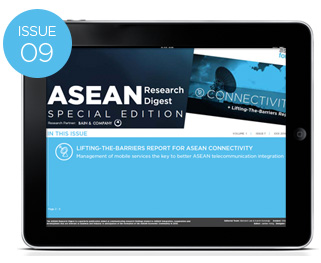
LIFTING THE BARRIERS REPORT FOR ASEAN CONNECTIVITY
- Management of mobile services the key to better ASEAN telecommunication integration.
To receive ASEAN Research Digest sent directly to your inbox, please subscribe here.
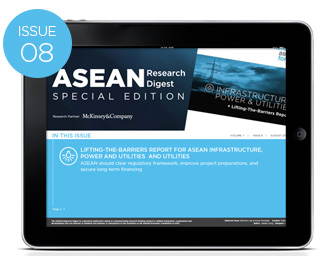
LIFTING-THE-BARRIERS REPORT FOR ASEAN INFRASTRUCTURE, POWER AND UTILITIES
- ASEAN should clear regulatory framework, improve project preparations, and secure long-term financing.
To receive ASEAN Research Digest sent directly to your inbox, please subscribe here.

LIFTING-THE-BARRIERS REPORT FOR ASEAN AVIATION
- Protectionism is the main barrier for ‘ASEAN open skies’
To receive ASEAN Research Digest sent directly to your inbox, please subscribe here.

LIFTING-THE-BARRIERS REPORT FOR ASEAN FINANCIAL SERVICES
- Creating a pan-ASEAN banking pass, allowing free talent mobility, and building a common ASEAN financial infrastructure to reap the benefits of financial integration and the AEC
To receive ASEAN Research Digest sent directly to your inbox, please subscribe here.

LIFTING-THE-BARRIERS REPORT FOR ASEAN CAPITAL MARKETS
- Clarifying benefits, increasing transparency and fixing the easy things first to pave the way for better ASEAN Capital Market Integration
To receive ASEAN Research Digest sent directly to your inbox, please subscribe here.

ASEAN RESEARCH DIGEST
- Region wide free trade of the Asia-Pacific may yield US$210 billion annual gains for ASEAN, and US$1,922 billion worldwide
- Fall in stock prices could have direct link with currency depreciation in ASEAN 5
To receive ASEAN Research Digest sent directly to your inbox, please subscribe here.

ASEAN RESEARCH DIGEST
- Monetary Union might not be necessary for ASEAN but monetary cooperation brings substantial gains
- Opening power trade in ASEAN would encourage the development of renewable energy generation and save cost
To receive ASEAN Research Digest sent directly to your inbox, please subscribe here.

ASEAN RESEARCH DIGEST
- Banks with strong market power are less likely to diversify into non-interest income
- The ASEAN Investment Area (AIA) proves beneficial to intra-ASEAN FDI but possibly crowds out local entrepreneurship
To receive ASEAN Research Digest sent directly to your inbox, please subscribe here.

ASEAN RESEARCH DIGEST
- Research shows full implementation of the AEC potentially increases ASEAN income by 5%
- None of the objectives of the ASEAN Tourism Agreement have been fully met
To receive ASEAN Research Digest sent directly to your inbox, please subscribe here.
China imports Halal expertise and more food from Malaysia
10 March, 2013
Trade and Investment
- The Malaysian External Trade Development Corporation (Matrade) said China imported RM 62 billion F&B from Malaysia last year, up 20% from 2011
- Currently, about 360 stock keeping units (SKUs) containing Malaysia’s F&B products are sold in Beijing supplied by 19 suppliers comprising mostly local Chinese importers and industries
- Other initiatives include assisting importers and distributors to penetrate north China, and distributing Malaysia’s F&B products to local and foreign owned hypermarkets and convenience stores
- The Halal Development Cooperation (HDC) has received requests from China to use Malaysian standards for halal food, namely the Malaysia Standard and Malaysia Certification, which are recognised worldwide
- The HDC expects halal food exports to increase by 6% from a total export value of RM 37.5 billion last year